


What Is Supported Employment? A Florida Guide for Adults With Developmental Disabilities
Supported Employment in Florida: A Guide for Adults
Many adults with developmental disabilities want a real job, with a real paycheck, in their own community. Supported employment is one of the main ways to get there. In Florida, supported employment gives a person ongoing, hands-on help to find a job, learn it, and keep it. This guide explains what supported employment is, what a job coach does, and how families in Miami-Dade and across Florida can learn more.
The need is real. In 2025, the unemployment rate for people with a disability was 8.3%, about double the 4.1% rate for people without a disability, according to the U.S. Bureau of Labor Statistics. With the right support, many more people with disabilities can work.
Table of Contents
Who is supported employment for?
Why employers benefit from supported employment
Frequently asked questions about supported employment in Florida
What is supported employment?
Supported employment helps a person with a significant disability find and keep competitive work in an integrated setting. That means a regular job in the community, alongside coworkers with and without disabilities, at regular pay.
According to Florida's Agency for Persons with Disabilities (APD), supported employment includes:
Matching the person with a job that fits their skills and interests
Job coaching and skills training
Regular check-ins to make sure the job is going well
Support is most intensive at the start. As the person settles into the job, the support gradually steps back. APD's stated goal is for each person it serves to gain community work that pays minimum wage or higher, in a job of their choosing.
Who is supported employment for?
Supported employment is for people with disabilities who need ongoing support to succeed at work, including many adults with intellectual and developmental disabilities. APD describes it as being for people for whom competitive employment has not traditionally happened.
APD's position is that everyone is employable, regardless of disability. The question is not whether a person can work, but what support they need to do it well.
To learn whether a family member may qualify for APD services, visit APD's Applying for Services page or contact your local APD regional office.
What does a job coach do?
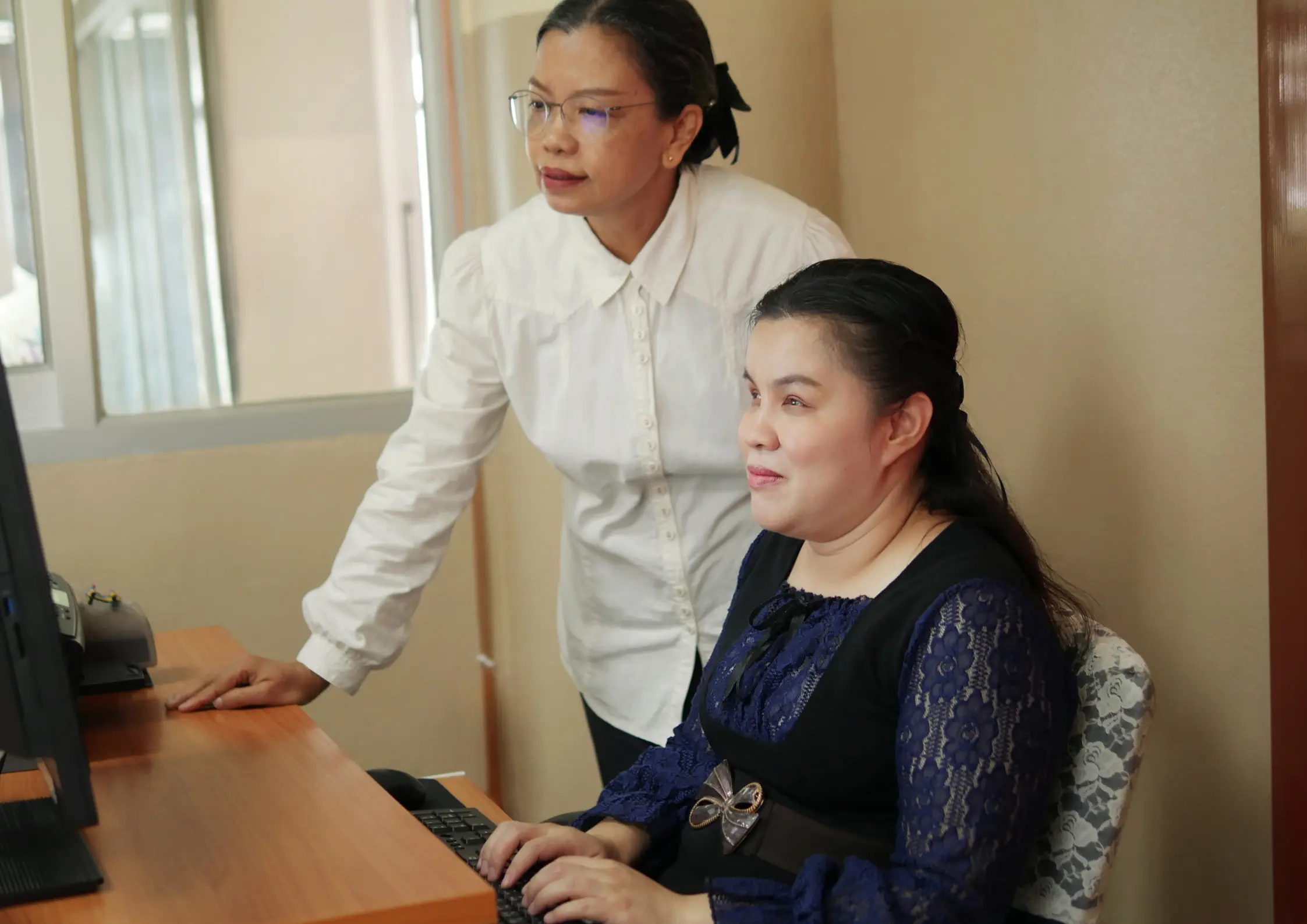
A job coach is the person who makes supported employment work day to day. According to APD, a job coach may:
Build an employment plan with the person at a first meeting
Help with a resume and job applications
Practice interviews, including mock interviews with local employers
Find job openings through business contacts
Help coordinate transportation when needed
Connect the person with a benefits counselor to plan how work affects benefits like SSI or SSDI
Once a job starts, the coach helps the person learn the tasks and gradually steps back as they gain confidence. To see how that works on the job, read our post on how job coaching builds true independence.
What the job seeker brings
Supported employment is a partnership. APD asks job seekers to:
Attend appointments with the job coach and employers on time
Take an active part in job search activities
Be open about the kind of work they want and their transportation needs
Practice interviewing and apply for jobs on their own, too
For interview tips, including how and when to talk about a disability, see our job interview and disability disclosure guide.
Why employers benefit from supported employment
Supported employment helps businesses too. Employers get a candidate who has been matched to the role, plus a job coach who helps with training at the start. Coworkers learn how to offer everyday support, which builds a more inclusive workplace.
Frequently asked questions about supported employment in Florida
What is the difference between supported employment and a regular job program? Supported employment keeps going after the person is hired. The job coach helps them learn the job and stays involved, stepping back as they become more independent.
Can adults with intellectual disabilities work in regular community jobs? Yes. Supported employment is built for competitive work in integrated community settings, at regular pay.
Can a job coach help with getting to work? Yes. According to APD, a job coach can help coordinate transportation when it's needed.
Will working affect SSI or SSDI benefits? It can. That's why job coaches connect people with a benefits counselor before and during work.
Building careers with Better Steps
At Better Steps, we believe every person with a disability deserves the chance to build a life with dignity and independence, and meaningful work is a big part of that.
We share guides like this one so families and job seekers can understand their options and plan with confidence.
Take the next step
To learn more about Better Steps and our programs, visit betterstepslife. org or contact our team.
Sources
Employment: Invest in Your Future, APD flyer (May 2017): definition, ongoing supports, integrated competitive work, "everyone is employable"
What to Expect From Your Job Coach, APD: job coach duties, job seeker expectations, minimum-wage goal
Unemployment rate for people with a disability rose to 8.3 percent in 2025, U.S. Bureau of Labor Statistics, March 5, 2026
The two APD flyers date from 2017, so a quick check with APD before posting would confirm nothing has changed.


