

How Professional Job Coaching Builds True Independence: The Power of the “Fading Model”
For many parents of young adults with disabilities in Florida, the transition into the workforce is often met with a lingering concern: “Will my child always need a shadow at work, or can they ever truly be independent?”
The answer is a resounding yes.
At Better Steps Life Skills Center, we believe vocational success is built on a foundation of dignity and skill-building, not constant supervision. We utilize a strategic, evidence-based process known as the Fading Model. This approach provides intensive 100% support on day one and methodically reduces that presence until the employee stands entirely on their own.
Understanding the Fading Model: From Visible Support to Invisible Success
In traditional care models, a staff member might stay with an individual indefinitely. While well-intentioned, this can inadvertently create a "velcro effect" that hinders personal growth. In Supported Employment, we aim for the exact opposite.
The Fading Model is the systematic reduction of a Job Coach’s presence at the worksite. The ultimate goal is for the Job Coach to become "invisible." This ensures that:
Employers see the employee’s value, not the coach’s assistance.
Employees look to their supervisors for direction, building a standard workplace relationship.
The workplace becomes a fully integrated environment where the individual is a team member, not a guest with a chaperone.
The Three Stages of Vocational Fading
To move from intensive support to total independence, we follow a structured three-stage progression:
High Intensity (Onboarding): The coach is on-site for 100% of the shift. During this phase, the coach learns the company culture and specific job tasks alongside the employee, acting as a bridge between the employer’s expectations and the student’s current skill level.
Strategic Withdrawal (Maintenance): As the employee gains confidence, the coach moves to the background. This might mean staying in the breakroom, checking in hourly, or observing from a distance. This allows the employee to handle tasks solo while knowing help is nearby if needed.
Follow-Along (Independence): Once benchmarks are met, the coach is no longer on-site but remains "on-call." We perform weekly or monthly check-ins to ensure long-term success and address any new challenges that arise.
The Science Behind the Build: Task Analysis and Instructional Design
Fading isn’t a guessing game; it requires a strong technical foundation. Before a coach can step back, they perform a task analysis. What a manager might describe as a simple "clean the lobby" instruction actually contains dozens of hidden steps.
We break these "mountains" into manageable "molehills" through:
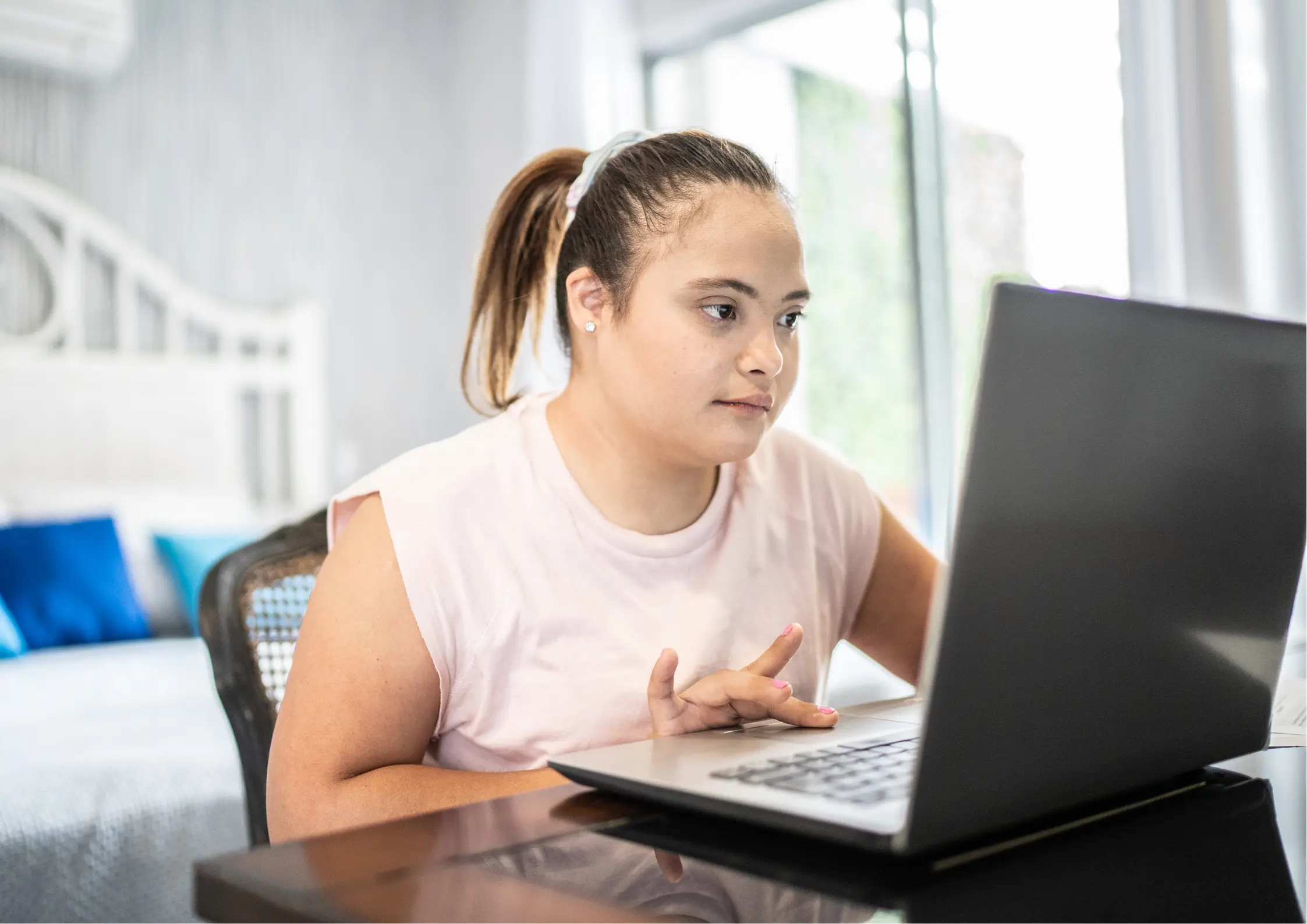
Visual Checklists: We create step-by-step photo guides or digital prompts kept on a phone or in a pocket. This provides an instant reference for the employee without needing to ask a human for help.
Environmental Cues: We teach employees to respond to "natural cues"—such as a timer beeping, a trash bin reaching the top, or a customer approaching—rather than waiting for a coach’s verbal prompt.
Systematic Instruction: By teaching tasks in the exact same order every time, we help the employee build lasting muscle memory, which reduces the cognitive load of the workday and increases speed.
Cultivating Natural Supports in the Workplace
The most successful employees are those who are fully integrated into their team. A major part of our implementation model is building Natural Supports.
A "Natural Support" is a coworker or supervisor who provides the same guidance to an employee with a disability that they would provide to any other staff member. If an employee needs help finding supplies, we want them to ask their colleague, not their coach.
We "coach the coworkers" on effective communication strategies. This ensures that when the Job Coach leaves the site, the employee still has a "village" of support that exists naturally within the business ecosystem.
Why the Fading Model Benefits Florida Employers
Many business owners in Miami and across South Florida are often hesitant to hire because they fear "constant supervision" will fall on their existing management team. The Fading Model provides a professional safety net that:
Reduces Risk: Coaches handle initial communication breakdowns or learning curves, ensuring the business's operations remain smooth and productive.
Eliminates Training Costs: The Job Coach manages the intensive 1-on-1 training period, saving the business significant time and money usually spent on onboarding.
Guarantees Quality Control: We ensure the work meets—and often exceeds—company standards before we decrease our on-site presence.
Overcoming the "Fear of Fading": Ensuring Accountability
It is natural for families to feel anxious when a coach starts spending less time at the job site. We manage this transition with two key pillars of accountability:
1. Data-Driven Decisions
We track Independence Scores. Once an employee completes a specific task 10 times consecutively without a prompt, it is a data-backed signal that it is time to step back. This removes the guesswork and ensures the employee is truly ready for the next level of autonomy.
2. The On-Call Guarantee
Fading is not "disappearing." Better Steps remains an authorized provider. If job duties change, a new manager is hired, or the employee struggles with a new software update, the coach returns to provide a temporary "boost" of support until the new skill is mastered.
Frequently Asked Questions About Job Coaching
Does the coach do the work for the student?
No. The coach is a teacher and a strategist. If the coach does the work, the student never learns the value of the role. Our goal is for every employee to be paid for their own hard work and skills.
How long does the fading process take?
Every journey is unique. Some individuals "fade" within two weeks, while others may take six months or longer. As an authorized Florida Vocational Rehabilitation (VR) vendor, we ensure support lasts exactly as long as is vocationally necessary for the individual’s success.
Better Steps to a Brighter Future
The Fading Model is the ultimate expression of our mission. We provide the steps, but the participant does the climbing. By moving from intensive support to independence, we ensure that individuals in Florida aren't just "placed" in jobs—they are empowered in lifelong careers.
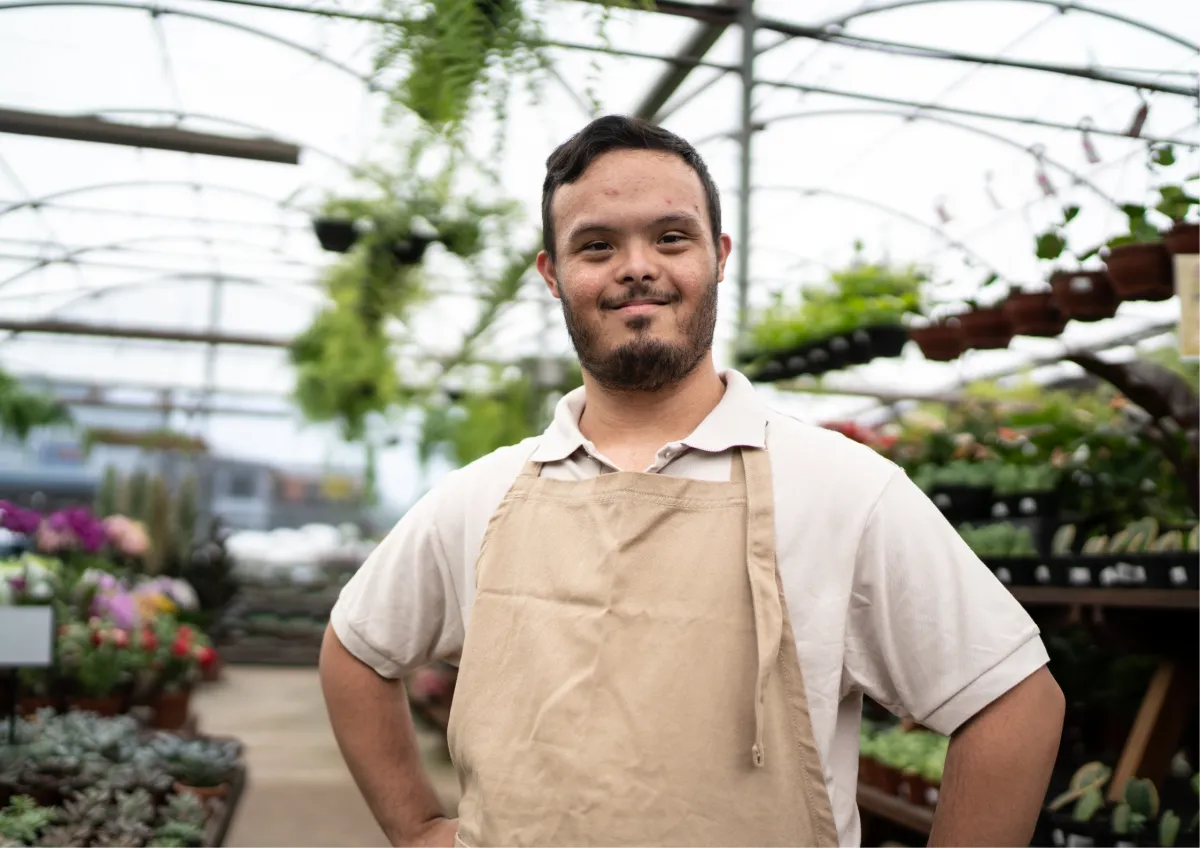
When you see a Better Steps graduate working at a Miami hotel, a retail store, or a corporate office, you might not even notice they have a disability. That "invisibility" of the support system is our greatest achievement because it means the individual is truly standing on their own.
Is your teen or young adult ready to start their journey toward workplace independence?
Whether through our Spring Career Camps or Supported Employment programs, Better Steps is your partner in growth. Contact us today to learn more about our Vocational Rehabilitation services and how we can help your family take the next step toward true independence.


