

Youth Peer Mentoring: How Peer Support Builds Confidence Before the First Job
For many teens with disabilities, the biggest barrier to a first job isn't skill — it's confidence. Learning to navigate a new environment, communicate with coworkers, and handle unfamiliar social situations can feel overwhelming, especially without someone who's been through it before. A young person can complete every training module, ace every mock interview, and still freeze up on day one simply because the whole experience feels unfamiliar and isolating.
That's where youth peer mentoring comes in. At Better Steps Life, our Youth Peer Mentoring Services pair teens and young adults with peers who understand their experience firsthand — building the kind of confidence that no classroom lesson can fully replicate. In this guide, we'll break down what peer mentoring actually looks like, why it works, and how it fits into a broader career-readiness journey for Florida VR clients and their families.
What Is Youth Peer Mentoring?
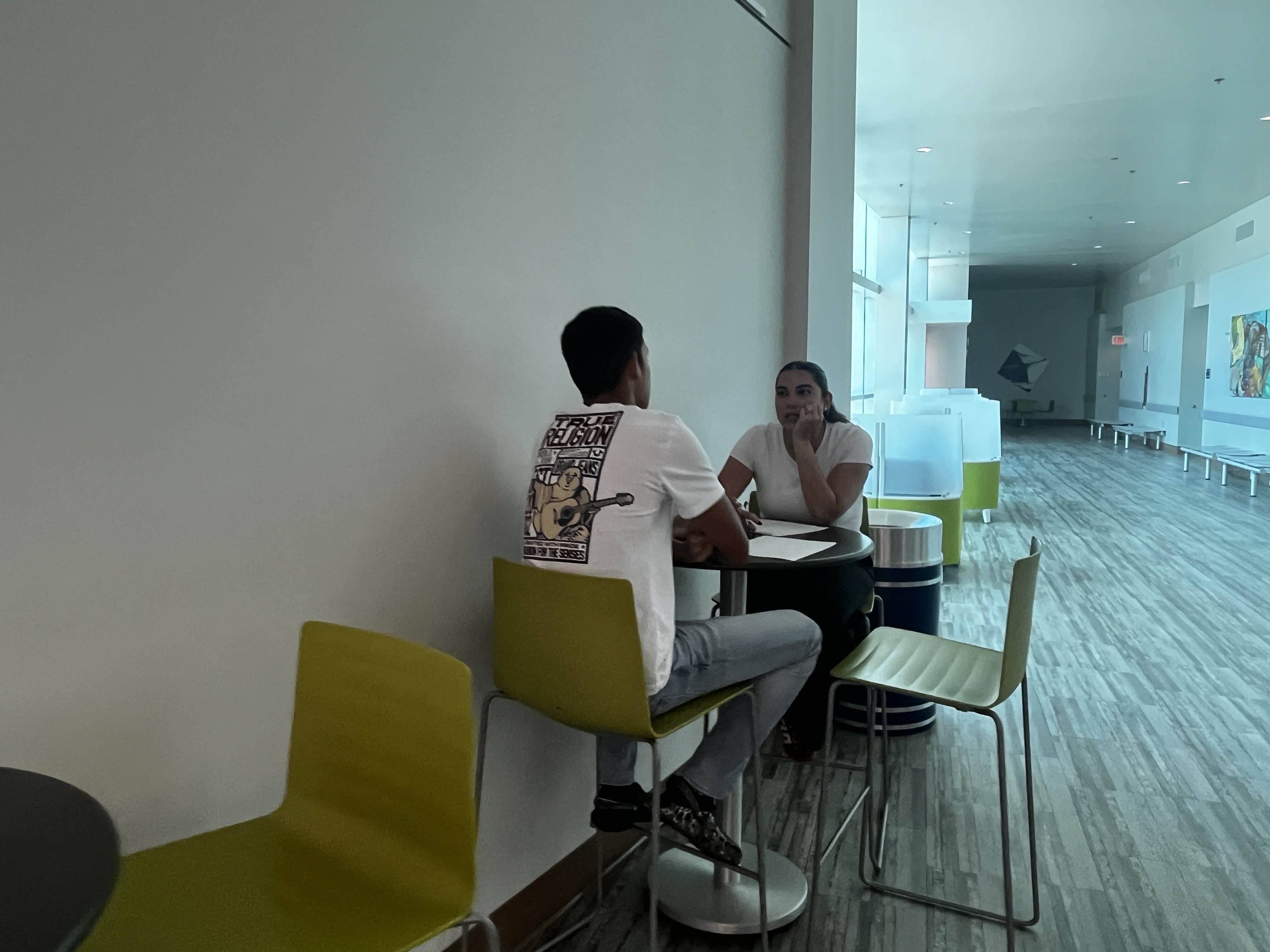
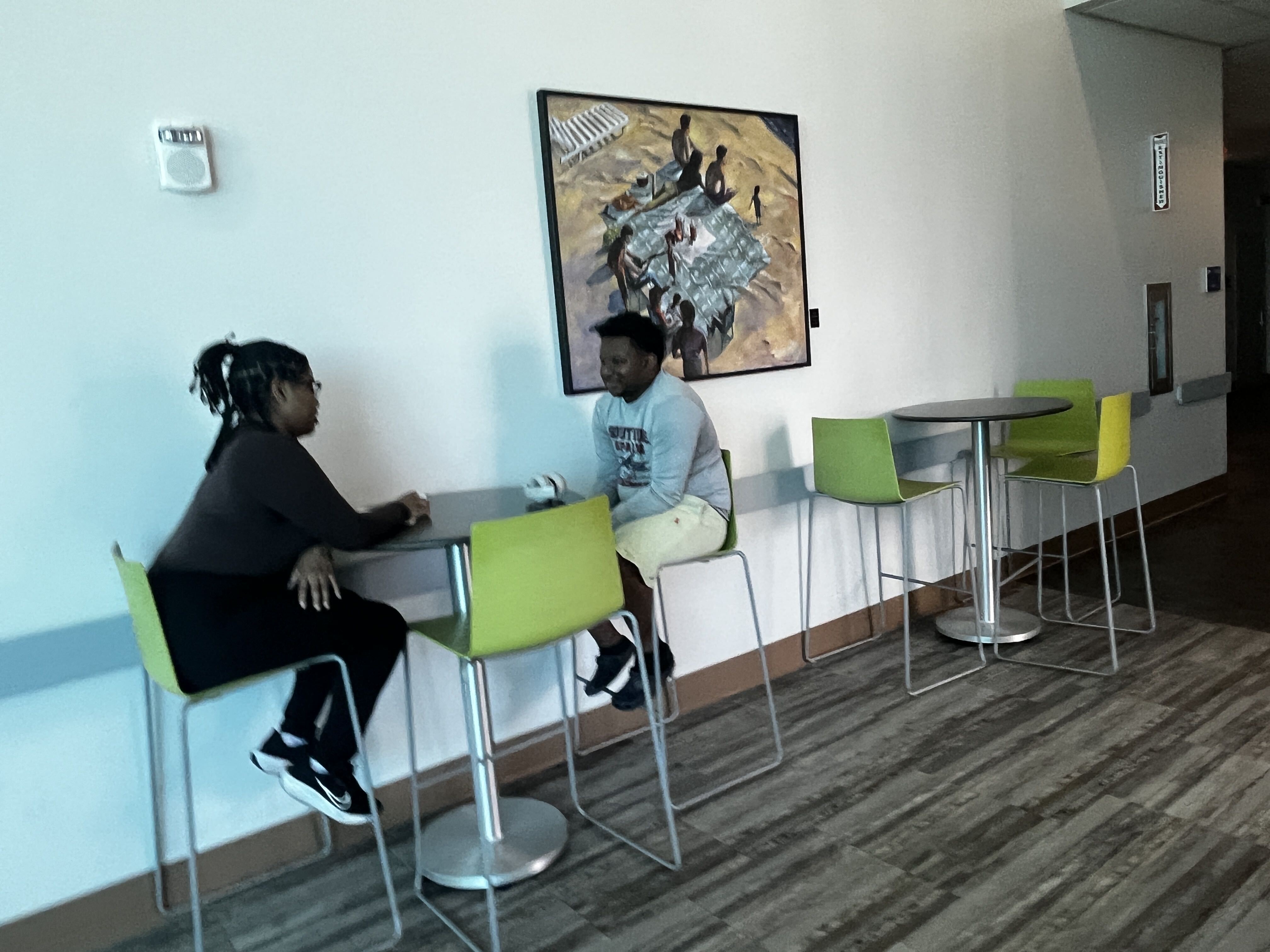
Youth peer mentoring connects a young person preparing for employment with a peer mentor — often someone close in age who has navigated similar challenges, whether that's a disability, a transition out of school, or early workplace experiences. Unlike traditional adult-led coaching, peer mentoring works because it's relatable. A mentor who has actually been there carries a kind of credibility and trust that's hard to replace with instruction alone.
Peer mentoring typically includes:
One-on-one or small group mentoring sessions
Real conversations about workplace fears and expectations
Modeling of social skills and communication in low-pressure settings
Encouragement and accountability from someone who understands the journey
Shared problem-solving around real situations, not hypothetical scenarios
Peer mentors aren't therapists or job coaches — they occupy a distinct middle ground. They're close enough in age and experience to be relatable, but far enough along in their own journey to offer genuine guidance. That combination is what makes the relationship effective in ways that formal instruction sometimes can't replicate.
Why Confidence Matters as Much as Skill
It's easy to assume that job readiness is purely about skill-building: learning to fill out an application, practicing interview answers, understanding workplace expectations. Those things matter. But skill without confidence often stalls at the finish line. A teen might know exactly what to say in an interview and still struggle to say it out loud. They might understand what a reasonable accommodation is and still feel too intimidated to ask for one.
Confidence isn't a "soft" add-on to job readiness — it's often the deciding factor in whether a young person actually follows through on an opportunity. This is one of the reasons peer mentoring has become such an important complement to more skills-based programs like Work Readiness Training and Pre-Employment Transition Services (Pre-ETS). Skills tell someone what to do. Confidence, often built through relationship and repetition, tells them they can do it.
Why Peer Support Matters Before the First Job
1. It Normalizes the Experience
Many teens preparing for their first job feel isolated in their worries — will people treat me differently, will I mess something up, will I fit in? Hearing a peer mentor say "I felt exactly the same way, and here's what helped" can shift that fear into manageable confidence. There's a particular kind of relief that comes from realizing your anxieties aren't unusual or unreasonable — they're common, and they're survivable.
2. It Builds Social Skills in a Safe Space
Practicing workplace conversations, handling feedback, or navigating a disagreement with a coworker is much less intimidating when practiced first with a peer mentor rather than in a live job setting. A mentoring session gives a teen room to stumble, try again, and refine their approach without the pressure of real workplace consequences.
3. It Reinforces What's Learned in Training
Peer mentoring works well alongside other services like Work Readiness Training and Pre-Employment Transition Services — it reinforces the same lessons but through a relationship, not just instruction. A skill introduced in a workshop setting ("how to ask for help") becomes much more solid when a teen sees a peer actually model it, then gets to practice it themselves in conversation.
4. It Builds Long-Term Self-Advocacy
Watching a peer confidently ask for help, request an accommodation, or explain a need teaches teens how to do the same for themselves — a skill that carries well beyond the first job. Self-advocacy is one of the most important long-term predictors of workplace success, and it's far easier to learn by example than by lecture.
5. It Creates Accountability Without Pressure
A peer mentor can hold a teen accountable to small goals — showing up to an appointment, following up on an application, practicing a specific conversation — in a way that feels supportive rather than like an authority figure checking up on them. That distinction matters enormously to teens who may already feel like every adult in their life is monitoring their progress.
What a Mentoring Relationship Looks Like in Practice
Every mentoring relationship looks a little different depending on the teen's needs and goals, but a typical arc might unfold like this:
Early sessions focus on building trust and rapport — getting to know each other, talking through general goals and worries, and establishing a comfortable rhythm for future conversations.
Middle sessions shift toward specific scenarios: practicing what to say in an interview, talking through a recent disagreement with a family member or teacher, or working through anxiety about an upcoming first day at a job or internship.
Later sessions often become more reflective and forward-looking, with the mentor helping the teen recognize their own growth and start thinking about longer-term goals — additional training, a different type of role, or increased independence.
Common touchpoints throughout include:
Regular check-ins to talk through upcoming interviews, first days, or workplace concerns
Group activities that build social comfort in a low-stakes setting
Encouragement to try new things — applying for a role, speaking up in a meeting, asking a question
A consistent, trusted relationship the teen can return to as new challenges come up
Debriefs after real-world experiences, where the mentor and mentee talk through what went well and what felt hard
A Real-World Example
Consider a teen preparing for their first retail job through a VR-supported plan. In a training workshop, they've learned the "right" answer to a common interview question about handling a difficult customer. But when the actual interview arrives, nerves take over, and the well-rehearsed answer disappears.
With a peer mentor, that same teen has likely already role-played the exact scenario multiple times — not with a script, but with a real conversation partner who has faced similar interviews. The mentor might share their own story of freezing up in an early interview, then walk through how they recovered. By the time the real interview happens, the teen isn't just repeating memorized words — they've internalized a sense that this is manageable, because someone like me has done it before.
This is the core value peer mentoring adds that's difficult to replicate through curriculum alone: lived experience, translated into practical reassurance.
How Peer Mentoring Differs From Job Coaching
It's worth being clear about how peer mentoring fits alongside — but doesn't replace — other services like job coaching. Job coaching typically happens on-site, focuses on specific task performance, and is delivered by a trained professional working directly with an employer. Peer mentoring, by contrast, usually happens before or alongside employment, focuses on emotional readiness and social confidence, and is delivered by someone with lived, relatable experience rather than formal coaching credentials.
Many young people benefit from both: peer mentoring to build the internal confidence and social comfort needed to pursue a job in the first place, and job coaching once they're actually in a role and need task-specific, on-site support.
How Families Can Support the Process
Peer mentoring works best when it's reinforced at home. Parents and caregivers can help by:
Asking open-ended questions about mentoring sessions ("What did you and your mentor talk about this week?" rather than "Did you learn anything today?")
Encouraging the teen to practice new skills discussed with their mentor in everyday situations, like ordering food or making a phone call
Staying in touch with the mentoring coordinator about progress and any concerns
Resisting the urge to solve every problem for the teen — letting the mentoring relationship do some of that problem-solving work builds independence
Celebrating small wins, even ones that might seem minor from the outside (a first phone call, a first difficult conversation handled well)
Common Challenges Peer Mentoring Helps Address
Families and VR counselors often bring up similar concerns when peer mentoring is first introduced as an option. A few of the most common:
"My teen is very shy and doesn't open up easily." Peer relationships often unlock conversation in a way that adult-led sessions don't, simply because the power dynamic feels different. Many teens who are guarded with adults speak more freely with a peer closer to their own experience.
"We've tried job coaching, but they still seem anxious about applying." This is often a sign that the gap isn't skill-based — it's confidence-based. Peer mentoring specifically targets that gap before the on-the-job coaching stage.
"My teen has been rejected from a few jobs already and is discouraged." A peer mentor who has faced rejection and kept going can offer a kind of resilience-modeling that's hard to deliver through encouragement from a parent or counselor alone.
How Better Steps Life Supports Youth Peer Mentoring
Better Steps Life Skills Center connects Florida teens and young adults with peer mentors as part of a broader career-readiness journey — often alongside Career Camp, Pre-Employment Transition Services, and Work Readiness Training. The goal isn't just job placement; it's building the confidence and social foundation for long-term career success. Our approach treats peer mentoring as one piece of a coordinated plan, working alongside VR counselors and families to make sure each teen has consistent support at every stage — from first application to first paycheck and beyond.
Frequently Asked Questions
What age group is youth peer mentoring for? Peer mentoring is generally designed for teens and young adults preparing to enter the workforce, often overlapping with Pre-ETS and Career Camp age ranges.
Is peer mentoring the same as job coaching? No. Job coaching typically happens on the job site and focuses on task performance. Peer mentoring focuses on confidence, social skills, and emotional readiness, often before employment even begins.
Do I need to be a VR client to access peer mentoring? Many participants access this service as part of a broader VR-supported plan, but availability can vary — contact Better Steps Life directly to confirm eligibility for your situation.
How long does a mentoring relationship typically last? This varies by individual need and program structure, often spanning several months to align with a broader career-readiness timeline.
What if my teen doesn't connect well with their first mentor? Like any relationship, fit matters. If a pairing isn't working well, it's worth raising with the program coordinator — adjustments can often be made to find a better match.
Can peer mentoring help with things beyond job readiness, like social skills at school? While the primary focus is career readiness, many of the skills built through mentoring — communication, self-advocacy, confidence — tend to carry over into other areas of a teen's life as well.
Ready to Get Started?
If your teen could benefit from a peer who's walked a similar path, contact Better Steps Life to learn more about our Youth Peer Mentoring Services and how they fit into a broader career-readiness plan.
Better Steps Life Skills Center Inc. provides youth peer mentoring, career camps, and pre-employment transition services to help Florida teens and young adults build confidence for long-term career success.


