


What Is VR? Florida Vocational Rehabilitation Guide
If your teen or young adult has a disability, you may have heard the term "VR" at an IEP meeting and wondered what it means. VR stands for vocational rehabilitation. Florida vocational rehabilitation is a state program that helps people with disabilities prepare for, find, and keep a job. This guide explains who qualifies, how to apply, and how families in Miami-Dade and across Florida can plan.
Planning matters. In 2025, the unemployment rate for people with a disability was 8.3%, about double the 4.1% rate for people without a disability, according to the U.S. Bureau of Labor Statistics. Knowing what support exists is one of the first steps toward closing that gap.
What is VR? Your Guide to Florida Vocational Rehabilitation
What Is VR? A Family Guide to Florida Vocational Rehabilitation
Who qualifies for VR in Florida?
How do you apply for VR in Florida?
Frequently asked questions about Florida VR
What is VR in Florida?
In Florida, VR is run by the Division of Vocational Rehabilitation, part of the Florida Department of Education. It is often called Florida VR or DVR.
VR is focused on one goal: work. A person with a disability works with a VR counselor to choose a job goal that fits their strengths and interests, then gets the services needed to reach it.
Who qualifies for VR in Florida?
According to the state, VR serves people ages 14 and older, so it is not only for students. To qualify, a person generally needs a physical or mental disability that makes it significantly harder to get or keep a job, and needs VR services to reach an employment goal.
Eligibility is decided person by person. A VR counselor reviews each situation.
SSI or SSDI matters. A person who receives SSI or SSDI because of a disability and plans to work is presumed eligible.
There may be a wait. Florida VR prioritizes services by the significance of a person's disability, so some eligible people are placed on a waiting list.
How do you apply for VR in Florida?
The state describes these steps:
Referral. Anyone can make a referral, including the person, a parent, or a teacher. Find your local office at RehabWorks.org.
Application.VR reaches out and helps complete the application.
Eligibility decision. A counselor reviews how the disability affects work.
Individualized Plan for Employment (IPE). The person and counselor agree on a job goal and the services to reach it. The person signs the plan before services begin.
Services. Training and support in the plan begin.
Job placement. The counselor works with providers to match the person with a job.
Case closure. After at least 90 days of work, the person and counselor discuss next steps before the case closes.
What is Pre-ETS?
Pre-Employment Transition Services, or Pre-ETS, are VR services for students. In Florida, Pre-ETS is open to students with disabilities ages 14 to 21 who are enrolled in school. Students can take part without applying to VR first.
Pre-ETS covers five areas:
Job exploration counseling
Counseling on college and training options after high school
Self-advocacy training and peer mentoring
Workplace readiness training
Work-based learning experiences (WBLE)
To learn more about that last area, read our guide to work-based learning experiences (WBLE).
How can families plan early?
The move from school to work happens over years, not on graduation day. A few steps help:
Bring up work at IEP or 504 meetings. Ask how the transition plan connects to real job goals. Our guide on how to check your child's IEP services can help you prepare.
Notice strengths and interests. They point toward the right kind of work.
Build daily living skills. Getting around, managing time, and handling money all matter on the job.
Get real work experience. Volunteering, summer jobs, and job shadowing help a young person learn what they like.
Practice job interviews. Our disability disclosure and job interview guide covers common questions.
Learn about VR early. Because there can be a wait, it helps to understand the process well before graduation.
Frequently asked questions about Florida VR
How long does VR take in Florida? The state does not give a fixed timeline. It depends on the eligibility review, whether there is a waiting list, and the services in a person's plan.
Is there a waiting list for VR in Florida? There can be. Florida VR prioritizes services by the significance of a person's disability, so some eligible people wait for services.
Can adults use VR, or is it only for students?VR serves people ages 14 and older, so adults can apply too.
Does my child need to apply to VR to get Pre-ETS?No. In Florida, students with disabilities ages 14 to 21 who are enrolled in school can take part in Pre-ETS without applying to VR or being found eligible first.
Who can make a VR referral? Anyone, including the person with a disability, a family member, or a teacher.
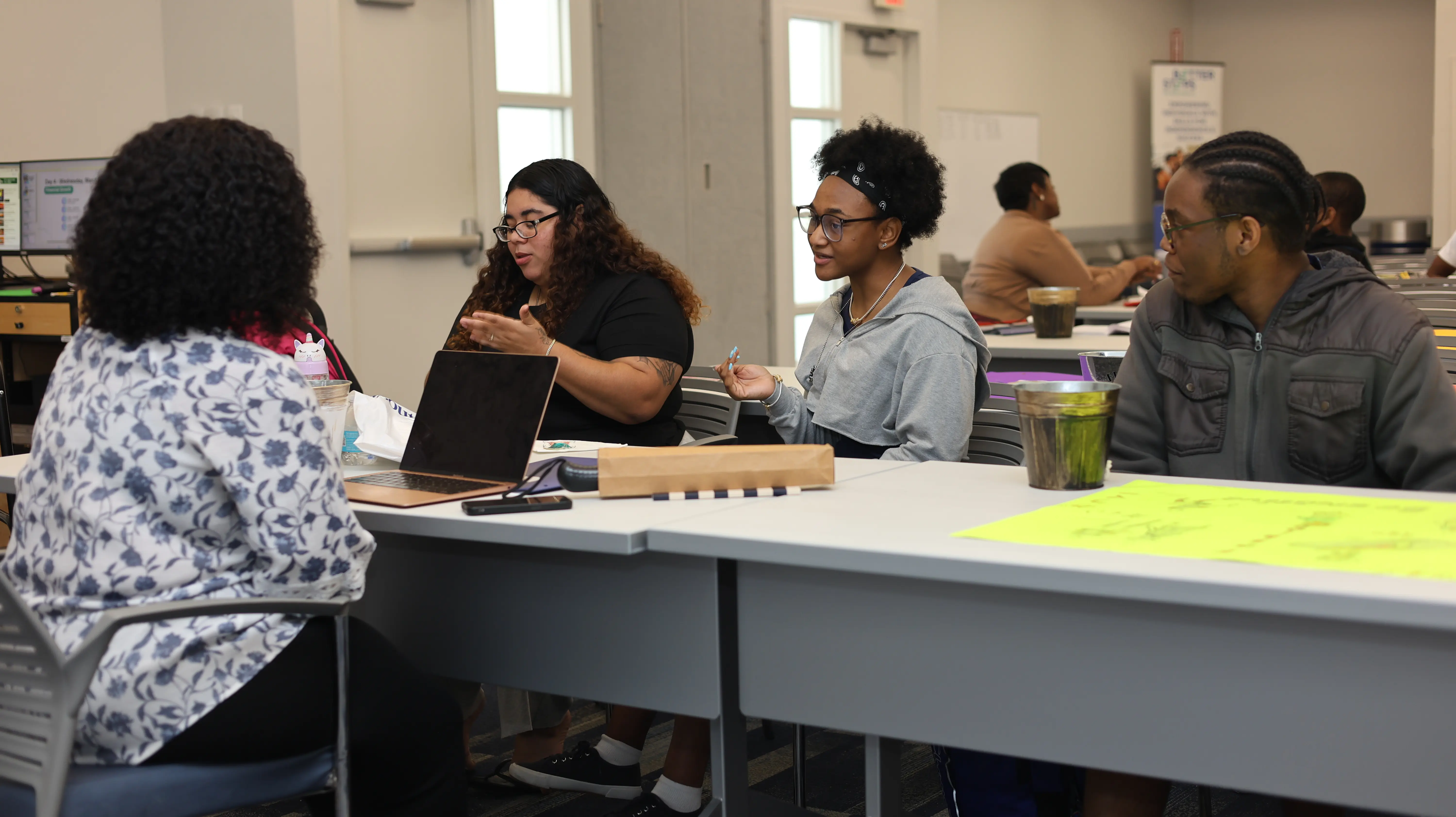
Better Steps and Florida Vocational Rehabilitation
At Better Steps, we believe every person with a disability deserves the chance to build a life with dignity and independence. We share guides like this one so families can make informed choices.
Better Steps Foundation, Inc. is an approved DVR provider, available to serve.
Take the next step
To find your local VR office or make a referral, visit RehabWorks.org or call the Florida Division of Vocational Rehabilitation at 800-451-4327. To learn more about Better Steps, visit betterstepslife.org.
Sources
Becoming a VR Customer, Florida Division of Vocational Rehabilitation: eligibility, ages 14+, SSI/SSDI presumption, wait list, steps from referral to case closure, contact numbers
Pre-Employment Transition Services, Florida Division of Vocational Rehabilitation: ages 14 to 21, the five services, no VR application required
Unemployment rate for people with a disability rose to 8.3 percent in 2025, U.S. Bureau of Labor Statistics, March 5, 2026: 8.3% vs. 4.1% (11-month averages; October 2025 data not collected)


