


What Happens After High School Special Education? 5 Pathways Beyond Retail
When a student with special needs approaches high school graduation, parents often experience a complex blend of pride and overwhelming anxiety. For over a decade, your family’s daily life has been anchored by the safety net of public education—Individualized Education Programs (IEPs), specialized support staff, accommodation plans, and structured school days.
As the "curtain falls" on high school, one pressing question dominates parent forums, support groups, and late-night Google searches: What happens to my child after high school special education?
This critical juncture is often referred to by advocates as the "transition cliff." Too many families are left with the impression that post-secondary options are restricted to basic retail stocking, fast-food dining room maintenance, or staying home isolated from the community. While entry-level service roles are fantastic fits for some individuals, they are far from the only path available.
Young adults with intellectual, developmental, and neurodivergent conditions possess unique cognitive strengths, technical aptitudes, high artistic talents, and incredible dedication. With the right vocational support system, these individuals belong in every sector of the modern workforce.
In this comprehensive guide, we unpack what families need to know about navigating life after high school special education in Florida—and explore 5 proven, empowering pathways that lead to genuine career growth and long-term independence.
FAQ: Can Students with Disabilities Work Regular, Competitive Jobs?
Yes, absolutely. Under Florida’s official Employment First policy, competitive, integrated employment is recognized as the primary priority outcome for all individuals with disabilities, regardless of support needs.
"Integrated employment" means working in a typical business setting alongside non-disabled coworkers while earning competitive market wages (at or above minimum wage).
Through specialized community programs—such as Supported Employment, On-the-Job Training (OJT), and Job Coaching—young adults learn to master complex duties, adjust to workplace social norms, and thrive independently without placing financial burdens on their families.
The 5 Career and Independence Pathways Beyond Basic Entry-Level Jobs
Navigating life after high school requires moving away from a one-size-fits-all mindset. Depending on your teen's specific IEP goals, independent living skills, and employment desires, here are 5 high-impact pathways to consider.
1. Florida 18–22 Adult Transition Programs (Deferring Your Diploma)
Many parents are surprised to learn that receiving a standard high school diploma isn't always the immediate first step on graduation day. In the state of Florida, students with disabilities who meet standard graduation requirements have the legal right to defer receipt of their high school diploma to participate in district-run 18–22 Extended Transition Programs.
Why Consider Diploma Deferral?
Under federal law (IDEA), public school districts must make a Free Appropriate Public Education (FAPE) available to eligible students with disabilities until their 22nd birthday (or until they formally receive their standard diploma). Deferring the diploma allows your teen to remain eligible for public transition services while stepping completely out of academic classrooms.
Instead of traditional subjects like algebra or history, 18–22 transition programs focus 100% on practical real-world skills:
Applied Independent Living: Financial literacy, personal budgeting, meal planning, and public transportation navigation.
Community-Based Instruction (CBI): Practicing social interactions, shopping, and accessing community resources in real-life settings.
Pre-Vocational Campus Enterprises: Participating in structured internships, job-shadowing rotations, and simulated work settings.
This pathway acts as a vital safety bridge for students who have earned their academic credits but need extra time to develop emotional maturity and executive functioning skills before entering the open job market.
2. On-the-Job Training (OJT) Programs
For young adults who struggle with traditional lecture-based learning, sitting in a classroom studying career theory is rarely effective. On-the-Job Training (OJT) flips this dynamic by providing hands-on learning directly inside real corporate and small business environments.
How On-the-Job Training Works:
Real Work Experience: Candidates are matched with local businesses in diverse industries—such as administrative offices, hospitality, logistics, healthcare support, or customer service.
Earn While You Learn: Participants earn real wages while building their resumes, learning firsthand what employers expect regarding punctuality, dress code, and task execution.
Dedicated Employment Specialists: An authorized community provider assigns a professional job coach who accompanies the participant to the job site. The coach breaks down complex tasks into manageable steps, monitors progress, and fades support as the employee gains confidence.
OJT eliminates the anxiety of "what if I fail?" by placing a dedicated safety net beneath the young adult during their first crucial months on the job.
3. Vocational Rehabilitation (VR) Pre-ETS & Seasonal Career Camps
You don't have to wait until your child's senior year to start preparing for life after high school special education. Through Florida Vocational Rehabilitation (VR), students aged 14 to 21 who are currently enrolled in school can access Pre-Employment Transition Services (Pre-ETS) at zero cost to the family.
Pre-ETS focuses on five core areas designed to build a strong vocational foundation early:
Job Exploration Counseling: Exploring career paths matched to the student's unique interests, aptitudes, and strengths.
Workplace Readiness Training: Mastering soft skills, professional communication, resume building, and mock interviewing.
Self-Advocacy & Peer Mentoring: Learning how to articulate disability-related accommodation needs and speak up with confidence.
Work-Based Learning Experiences: Participating in career camps, workplace tours, and hands-on trial work opportunities.
Post-Secondary Counseling: Exploring technical schools, inclusive college programs, and vocational certificate tracks.
Specialized programs like Spring, Summer, Fall, and Winter Career Camps condense these concepts into interactive, peer-driven workshops that turn career prep into an exciting social milestone rather than a daunting chore.
4. Supported Employment & Customized Job Development
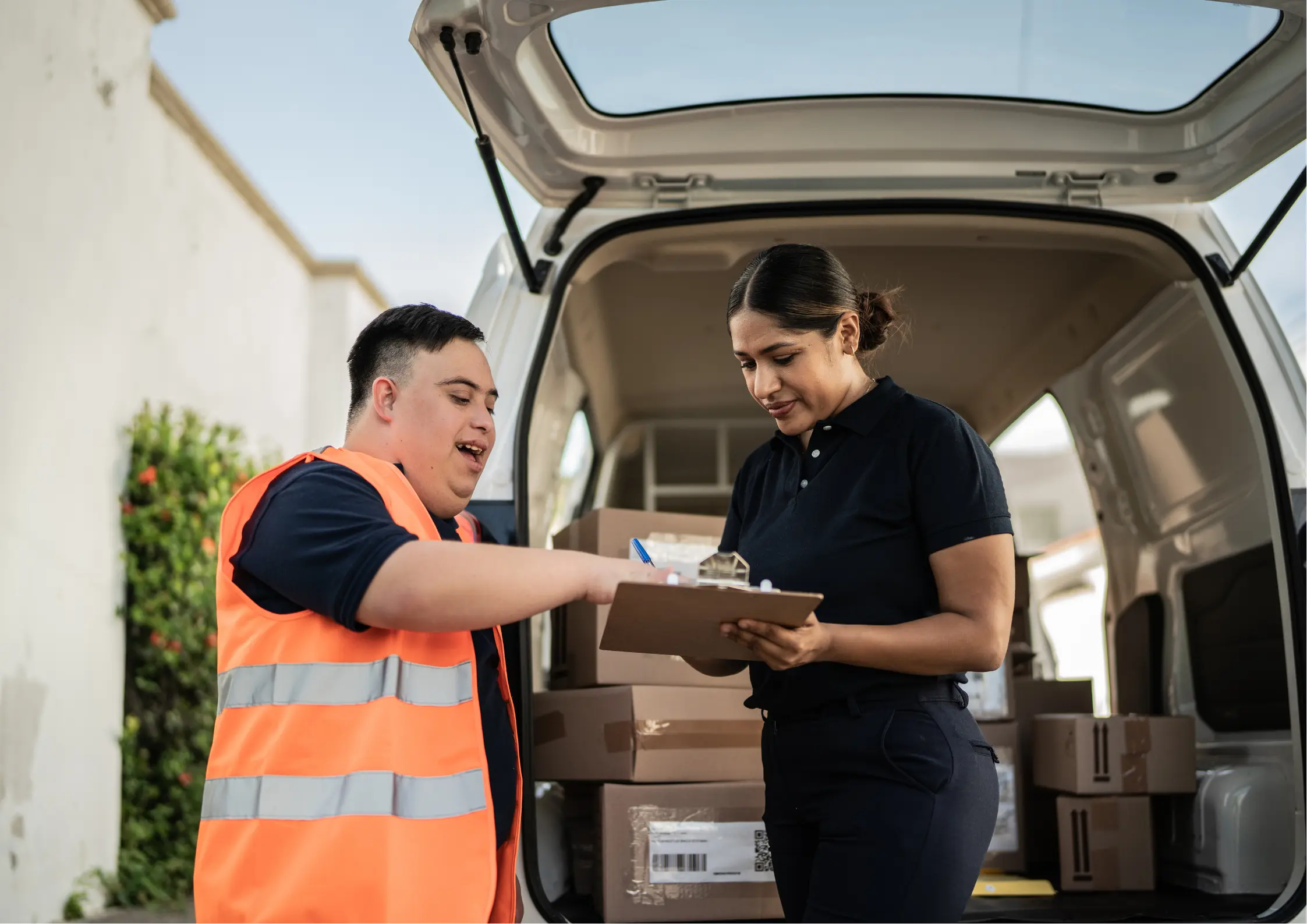
For individuals with more significant intellectual or developmental disabilities who require ongoing, long-term workplace assistance, Supported Employment provides a permanent roadmap for success.
Rather than forcing a candidate to fit into a rigid, pre-existing job description, vocational specialists utilize Customized Employment strategies. Specialists conduct thorough personal inventory assessments to discover what an individual does best—whether that is exceptional data input accuracy, meticulous sorting, digital document scanning, or inventory organization.
The Supported Employment Process:
Custom Job Carving: Negotiating with local Florida business owners to create a tailored role that meets the employer's operational needs while utilizing the job candidate's specific strengths.
Intensive On-Site Coaching: Providing 1-on-1 job coaching on-site to teach job tasks, establish daily checklists, and foster positive relationships with managers and coworkers.
Long-Term Follow-Along: Offering ongoing, lifetime check-ins to ensure job retention, assist with routine changes, and support career advancement.
5. Inclusive College Programs & Technical Vocational Certifications
Higher education is no longer off-limits for young adults with developmental and intellectual disabilities. Florida is a national leader in post-secondary comprehensive transition programs, largely supported by the Florida Center for Students with Unique Abilities (FCSUA).
Many state colleges, technical centers, and universities across Florida now offer inclusive, credentialed certificate programs designed specifically for neurodivergent students and youth with intellectual disabilities.
These structured post-secondary programs focus on high-demand career fields, including:
Business Administration & Document Digitization
Hospitality Operations & Food Prep Logistics
Horticulture, Environmental Services & Agricultural Technology
Childcare Assistance & Educational Support
Students in these programs attend campus classes, participate in college social life, complete internships, and graduate with industry-recognized credentials that open doors to meaningful careers.
How Better Steps Helps Your Family Take the Next Step
Transitioning out of high school special education doesn't have to feel overwhelming or chaotic. At Better Steps Life Skills Center, we have spent over a decade walking alongside families across Florida, turning post-graduation anxiety into a clear, structured roadmap toward independence.
As an authorized Vocational Rehabilitation (VR) service provider, we deliver compassionate, evidence-based programs tailored directly to your family's needs:
Seasonal Career Camps (Spring, Summer, Fall, Winter): High-energy 20-hour and 50-hour intensives focused on work readiness, self-advocacy, and peer mentorship.
Work Readiness & Self-Advocacy Training: Practical, real-world skill development that prepares young adults for interviews, workplace social dynamics, and self-determination.
Supported Employment & On-the-Job Training (OJT): Personalized job placement, custom job carving, and dedicated 1-on-1 job coaching designed for long-term career success.
Build Your Child's Transition Plan Today
Don't wait for graduation day to start planning for your teen's future. Connect with the Better Steps team today to discover how to access VR-authorized transition services, register for upcoming Career Camps, or schedule a personalized consultation.


