

What Benefits Can a Person with a Disability Get? (A Complete Guide)
Navigating the wide array of financial assistance, healthcare programs, and specialized training resources available for individuals with disabilities can often feel overwhelming. Many individuals and families are unaware of the full scope of benefits they qualify for beyond basic Social Security income.
A disabled person can access a wide range of state and federal benefits, including monthly financial support, comprehensive health coverage, state-funded vocational training, workplace accommodations, and independent living skills instruction.
This guide breaks down the core benefits available to help individuals with disabilities build long-term autonomy, career stability, and personal independence.
1. Financial & Social Security Income Benefits
Federal financial support programs help cover essential living expenses, housing, and food for individuals with physical, developmental, or cognitive conditions:
Supplemental Security Income (SSI): A needs-based program providing monthly cash assistance to adults and children with disabilities who have limited income and resources. For 2026, individual SSI federal benefit rates reach up to $994 per month.
Social Security Disability Insurance (SSDI): Monthly benefits provided to individuals with disabilities who have accumulated sufficient work credits through prior employment taxes. In 2026, the national average SSDI benefit is approximately $1,634 per month.
Ticket to Work Program: A free program administered by Social Security that enables SSI and SSDI beneficiaries to explore employment opportunities without immediately forfeiting healthcare coverage or monthly payments.
2. Vocational Rehabilitation & Job Training Benefits
Securing competitive, integrated employment is one of the most effective steps toward personal independence. State agencies provide fully funded vocational support tracks to help individuals build skills and maintain long-term employment:
Career Counseling & Vocational Evaluations: Professional guidance designed to assess individual strengths, interests, and matching career tracks.
On-the-Job Training (OJT) & Job Coaching: Direct, one-on-one workplace instruction and mentorship provided directly at job sites.
Pre-Employment Transition Services (Pre-ETS): Specialized, 100% state-funded transition services for high school students (ages 14–21) with an IEP, 504 Plan, or documented disability.
Workplace Accommodations & Assistive Technology: Funding and access for adaptive equipment, communication devices, and specialized software to support workplace success.
3. Independent Living & Community Supports
Independent living benefits are designed to build daily living competencies and foster active community participation:
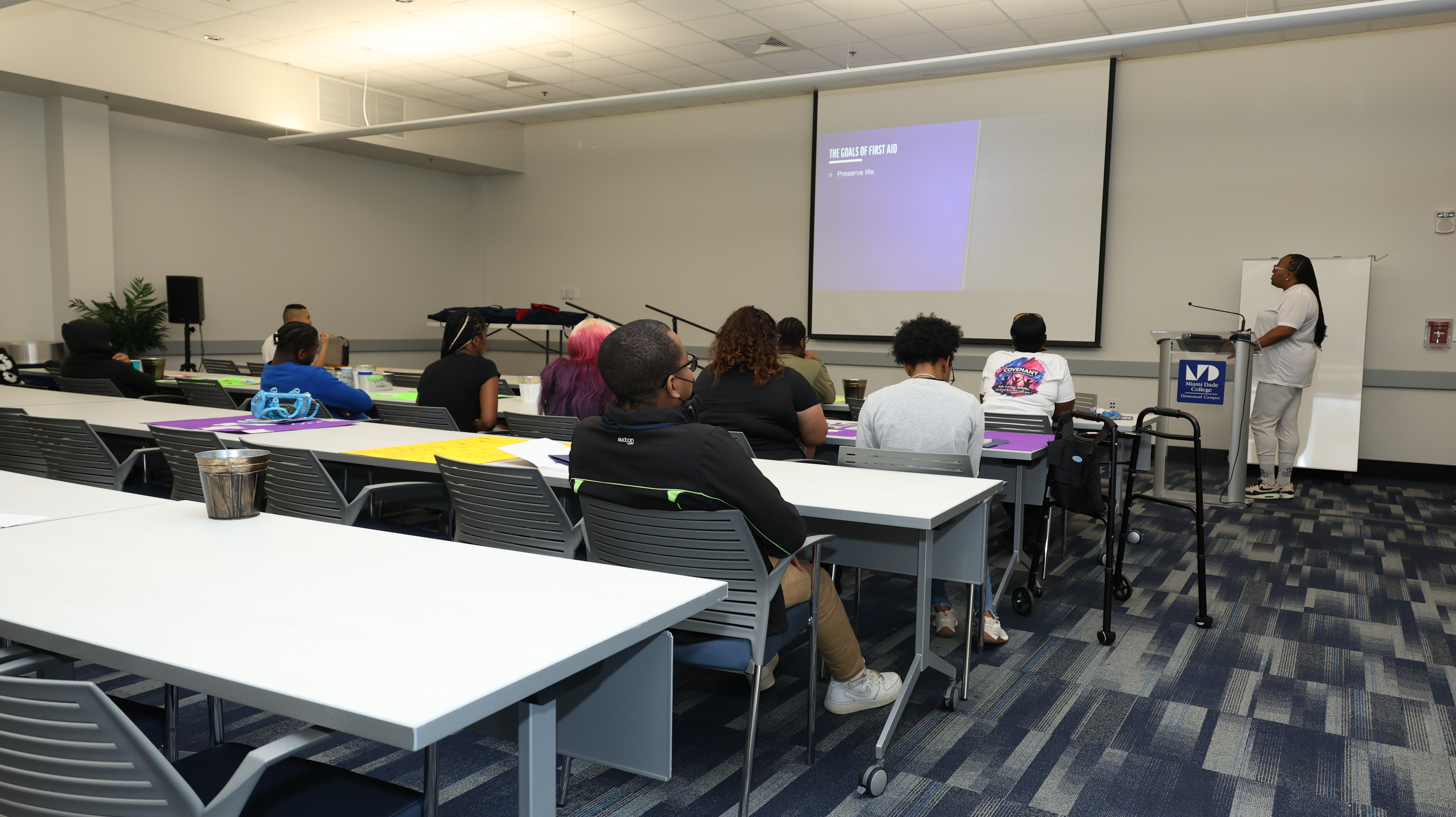
Daily Living Skills Instruction: Structured coaching covering home sanitation, cooking, personal care, and personal budgeting.
Travel Training & Transportation Assistance: Programs offering transit navigation coaching or transit passes to help individuals travel independently.
Self-Advocacy & Peer Mentorship: Empowerment training that teaches individuals how to articulate their rights under the Americans with Disabilities Act (ADA) and request reasonable accommodations.
4. Healthcare, Housing & Educational Benefits
Beyond financial aid and employment preparation, government frameworks provide critical healthcare coverage and affordable housing support:
Medicaid & Medicare: Comprehensive medical coverage that pays for doctor visits, physical therapy, personal care assistants, and necessary medical equipment.
Section 8 & Supportive Housing: Vouchers and specialized housing programs tailored for low-income individuals with disabilities.
Tuition Assistance & Post-Secondary Support: Financial support offered through Vocational Rehabilitation to assist with vocational trade school or college expenses, books, and required supplies.
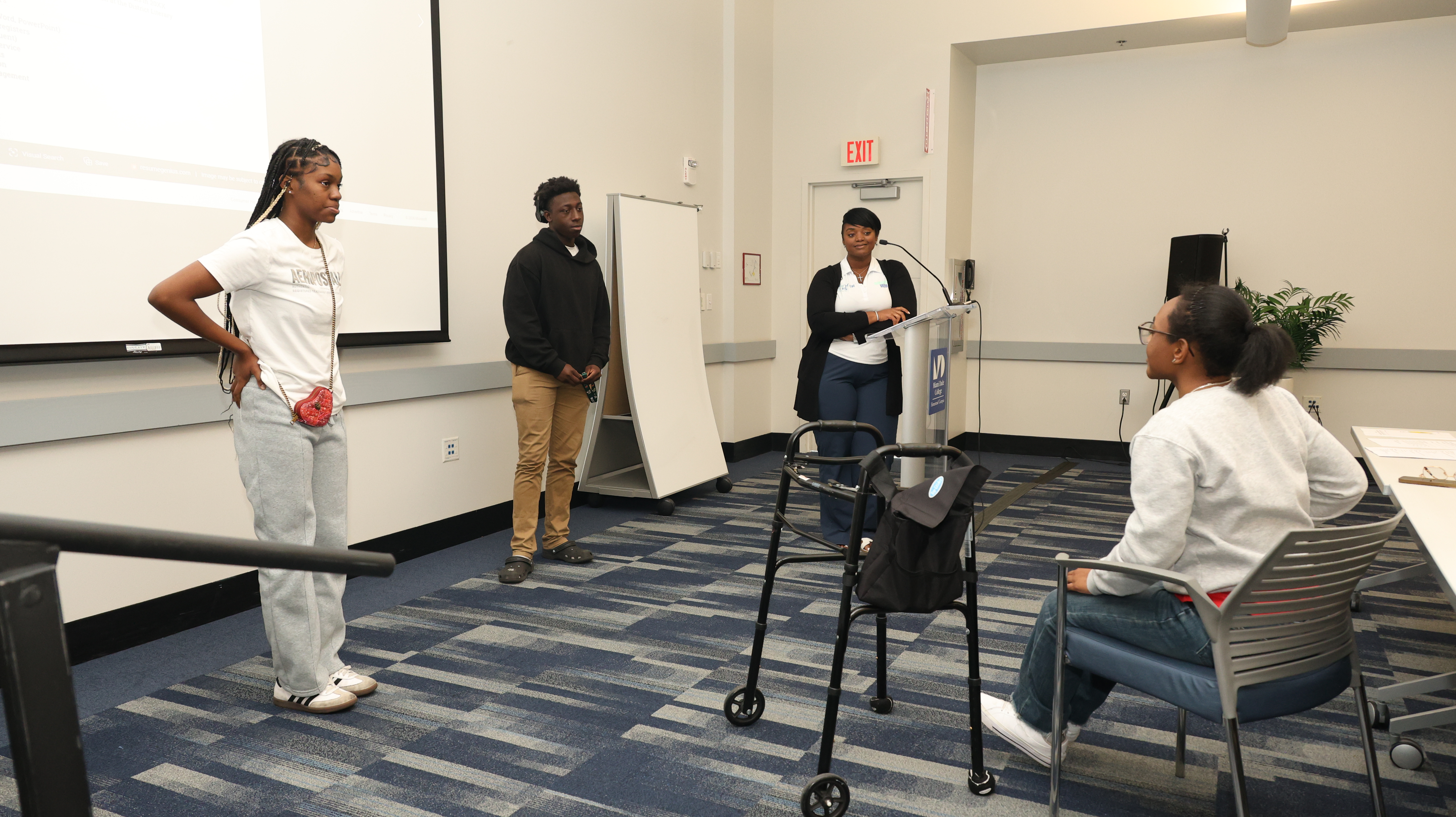
How Better Steps Life Skills Center Helps You Access These Benefits
Navigating state authorizations to unlock these resources doesn't have to be complex. In Florida, families do not need to pay out-of-pocket for quality life skills training and career development.
As an approved service vendor, Better Steps Life Skills Center collaborates directly with Florida Vocational Rehabilitation (VR) to deliver 100% state-funded programs with zero out-of-pocket expenses for eligible participants.
Programs We Deliver:
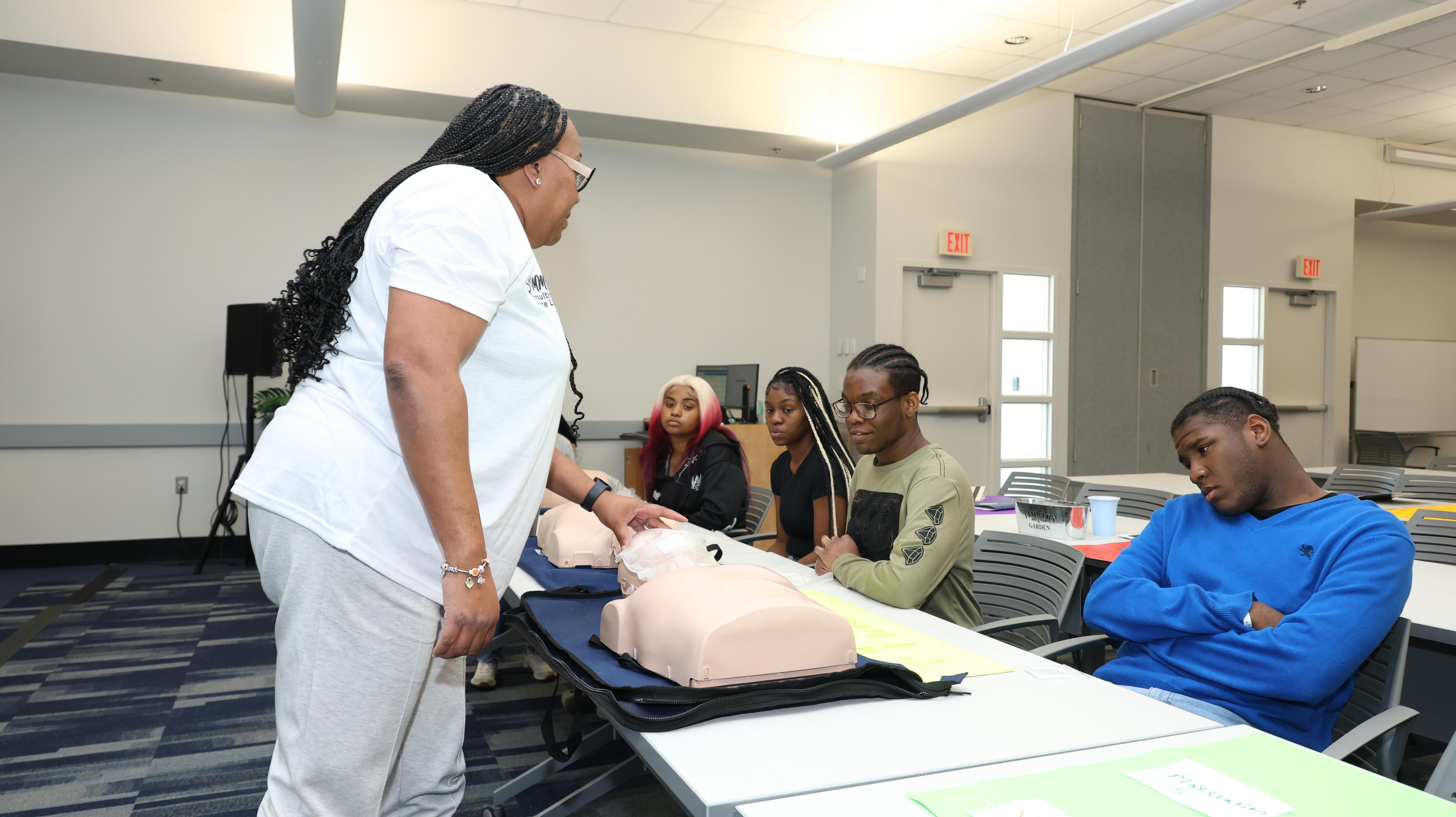
Pre-Employment Transition Services (Pre-ETS): Tailored job exploration, workplace readiness, and self-advocacy coaching for youth ages 14–21.
Youth Career Camps: Hands-on seasonal workshops (Spring, Summer, Fall) designed around vocational growth and social engagement.
Independent Living Skills & OJT Coaching: Individualized instruction that applies classroom training to real-world environments.
Explore our specialized Pre-Employment Transition Services (Pre-ETS) programs in Florida or learn about our upcoming Florida VR-sponsored career camps for students with IEPs and 504 plans to start accessing your benefits today.
Frequently Asked Questions (FAQ)
Are Vocational Rehabilitation benefits free for families in Florida?
Yes. Services authorized through the Florida Division of Vocational Rehabilitation (VR) or Pre-ETS are state-funded and provided at zero out-of-pocket cost to eligible individuals.
Will working affect my SSI or SSDI disability benefits?
Not necessarily. Federal work incentives and programs like Ticket to Work allow individuals to test their ability to work while preserving Medicaid/Medicare and underlying benefit eligibility.
Unlock Your Benefits & Start Building Independence Today
Taking advantage of state-funded programs is a crucial step toward long-term autonomy and career success. Feel free to contact the Better Steps Life Skills Center team to verify VR authorization today or call (800) 864-8718 to learn how we can help you or your loved one access these valuable resources.


