



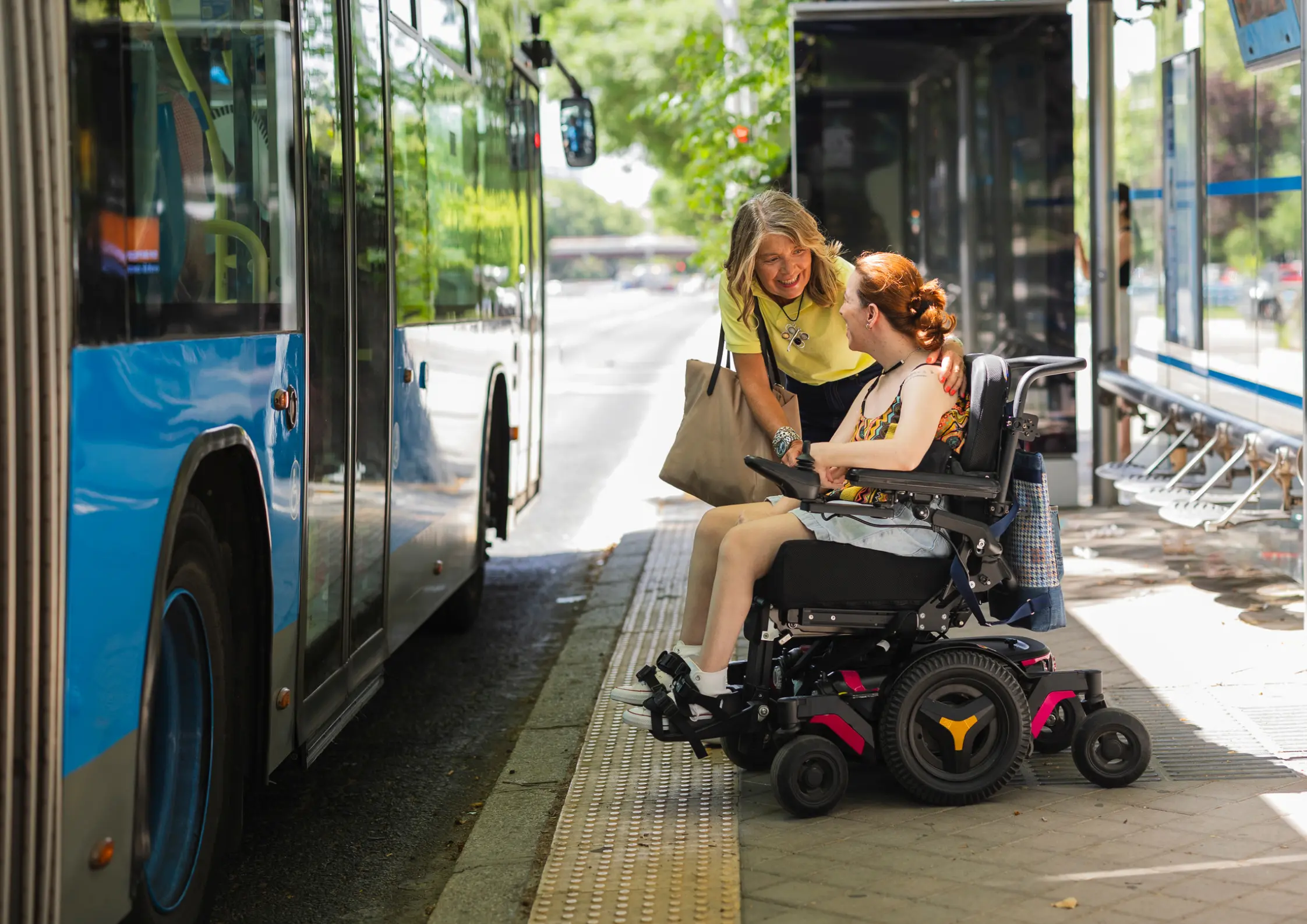
Transportation for People With Disabilities in Florida: Getting to Work
Getting to Work: Transportation Options for Young Adults With Disabilities in Florida
Finding a job is a big step. But for many young adults with disabilities, the next question comes right away: how will I get there every day? Transportation is one of the most common barriers to work. A great job only helps if you can get to it on time, safely, and without too much stress.
The good news is that there are options. This guide covers public transit, paratransit, travel training, rideshare, and family rides, and how to plan a work commute that holds up day after day. Most examples are from Miami-Dade, but the steps work anywhere in Florida.
This guide is general information. Rules, fares, and eligibility change, so always check with your local transit agency.
Getting to Work: Transportation Options for Young Adults With Disabilities in Florida
Why transportation matters so much for work
Option 1: Public transit (bus, Metrorail, Metromover)
Option 2: Paratransit (door-to-door rides)
Option 3: Travel training (learning a route step by step)
Option 4: Rideshare, carpools and family rides
Planning a work commute that works
Why transportation matters so much for work
Employers notice reliability. Being on time, every shift, is one of the first things a new supervisor sees. If the trip to work is confusing or depends on someone else's schedule, it can make even a good job hard to keep.
Planning transportation early also opens more doors. A person who can ride the bus on their own can apply for jobs across town, not just the ones within walking distance. That's why getting around is one of the most important independence skills a young adult can build, right alongside the goals in our post on good goals for adults with disabilities.
Option 1: Public transit (bus, Metrorail, Metromover)
Public transit is often the most flexible and affordable way to get to work. In Miami-Dade, buses, Metrorail and Metromover are designed to be accessible, with features like ramps, lifts and priority seating. You can read more on the Miami-Dade Transit accessibility page.
Many transit systems also offer reduced fares for riders with disabilities. In Miami-Dade, riders apply for a discount fare ID. Check the Miami-Dade transit fare guide for current rules, or contact your county's transit agency if you live elsewhere in Florida
Tips for getting started:
Use a transit app or trip planner to look up routes and times.
Pick a route with as few transfers as possible.
Save the transit agency's phone number in your contacts.
Keep your fare card or pass in the same place every day.
Option 2: Paratransit (door-to-door rides)
Paratransit is a shared-ride service for people whose disability makes it hard or impossible to use regular buses and trains. Under the Americans with Disabilities Act (ADA), public transit systems that run fixed routes also provide paratransit for riders who qualify.
In Miami-Dade, this service is called Special Transportation Service (STS). According to Miami-Dade County, STS provides shared-ride, door-to-door trips for people who qualify. Riders apply, eligibility is reviewed, and trips are booked ahead of time. You can find the application and rider's guide on the Miami-Dade STS page.
Things to know about paratransit:
You apply first. There's an application and eligibility review before you can book rides.
Rides are shared. You may share the vehicle with other riders, so trips can take longer.
Plan ahead. Trips are usually booked in advance, and pickup times come with a window, so build in extra time before your shift.
Outside Miami-Dade, every Florida county has a local coordinator for transportation help. You can find yours through the Florida Commission for the Transportation Disadvantaged.
Option 3: Travel training (learning a route step by step)
Travel training means learning to use public transit on your own, one step at a time. It might start with a family member riding the whole route together, then sitting a few seats away, then meeting at the stop at the end.
A simple way to practice:
Map the route together. Look at the bus number, the stop names, and where to get off.
Ride it together on a day off. Point out landmarks near the stop.
Practice the hard parts. Paying the fare, pulling the cord or pressing the stop button, and transferring.
Let them lead. The rider plans the trip while you follow.
Try it solo with a check-in. A quick text when they arrive builds confidence on both sides.
Make sure they also practice what to do if something goes wrong: a missed stop, a late bus, or a phone that dies. A small card in a wallet with key phone numbers and the home address is a great backup.
Option 4: Rideshare, carpools and family rides
Sometimes the bus doesn't fit the schedule, especially for early or late shifts. Other choices include:
Rideshare apps. Useful for short trips or backup rides. Practice requesting a ride, checking the license plate, and sharing the trip with a family member.
Carpools. A coworker who lives nearby may be happy to share rides.
Family rides. Family help works well while a young adult is learning, but it helps to build toward a more independent option over time.
Safety basics for any ride: always confirm the car and driver before getting in, sit in the back seat, and let someone know when you leave and when you arrive.

Planning a work commute that works
Once you choose a way to get to work, plan it like part of the job:
Do a practice run at the same time of day as the real shift, so you see traffic and crowds.
Plan to arrive 10 to 15 minutes early.
Have a backup plan for a late bus or missed ride, like a second route or a family member to call.
Use phone alarms for when to leave the house. Our time management tips for work have more ideas.
Pack the night before: fare card, ID, phone charger, and work items.
Talking to an employer about transportation
If transportation affects a person's schedule, it's okay to talk about it with the employer. Some employers can adjust start times to match the bus schedule. Our guide on how to ask for a workplace accommodation walks through what to say and how to ask.
Frequently asked questions
What is paratransit? Paratransit is a shared-ride service for people whose disability makes it hard to use regular buses and trains. Riders apply and book trips ahead of time.
How do I apply for STS in Miami-Dade? Miami-Dade County has the STS application and rider's guide on its STS page.
Are there reduced transit fares for people with disabilities? Many Florida transit systems offer them. In Miami-Dade, riders apply for a discount fare ID. Check your local transit agency for current rules.
What if I don't live in Miami-Dade? Every Florida county has a local transportation coordinator. Find yours through the Florida Commission for the Transportation Disadvantaged.
How long does travel training take? It depends on the person and the route. Some people learn a route in a few rides; others need a few weeks. Go at the rider's pace.
How Better Steps can help
At Better Steps, we believe every person with a disability deserves the chance to build a life with dignity and independence, and getting to work is a big part of that. Our team helps individuals build the everyday skills that make work possible, from planning a schedule to building a first resume.
To learn more about Better Steps, visit our Services page or contact our team.
Follow us for more tips: Instagram | Facebook | LinkedIn