
15 Essential Independent Living Skills Examples for Teens & Young Adults
Transitioning into adulthood is an exciting milestone, but for teens and young adults—especially those with Individualized Education Programs (IEPs), 504 Plans, or neurodivergent profiles—learning to manage daily life independently takes practice, structure, and direct coaching.
Independent living skills (often referred to as Daily Living Skills or Adaptive Behavior Skills) are the practical competencies needed to navigate home, school, workplace, and community settings without relying on constant parental or caregiver support.
This guide outlines 15 practical examples of independent living skills tasks, broken down into core categories, along with strategies to help young adults master them.
Table of Contents
15 Essential Independent Living Skills Examples for Teens &00 Young Adults
What Are Independent Living Skills?
1. Personal Care & Health Management
2. Home Maintenance & Meal Preparation
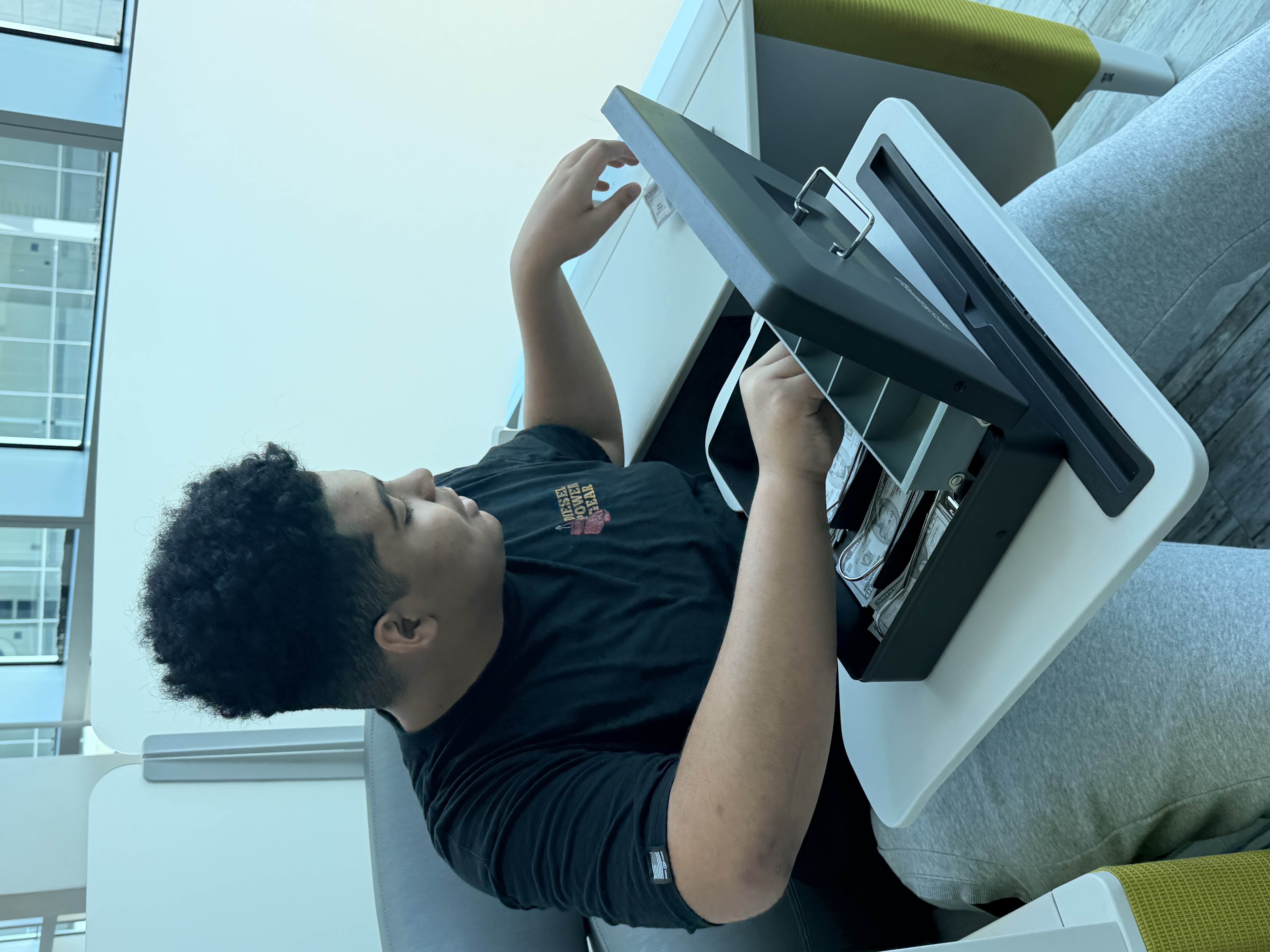
3. Financial Literacy & Money Management
4. Community Access & Transportation
5. Communication & Self-Advocacy
How Florida VR & Pre-ETS Help Master These Skills
Frequently Asked Questions (FAQ)
What age should a child start practicing independent living skills?
Are independent living skills training covered by Vocational Rehabilitation?
What Are Independent Living Skills?
Independent living skills encompass the self-care, domestic, financial, and interpersonal abilities required to function safely and autonomously in adult life.
While some students pick up these tasks through routine observation, many benefit from direct, step-by-step instructional modules during high school transition planning.
1. Personal Care & Health Management
Maintaining personal health, hygiene, and wellness is the foundation of independent living.
Task 1: Managing Personal Hygiene Routines: Establishing daily habits like showering, oral care, grooming, and dressing appropriately for different weather conditions or workplace settings.
Task 2: Prescription & Medication Administration: Understanding medication schedules, reading pharmacy labels, knowing when to request refills, and storing medicine safely.
Task 3: Scheduling Medical & Dental Appointments: Contacting healthcare providers, managing appointment calendars, and articulating basic health symptoms to a medical professional.
2. Home Maintenance & Meal Preparation
Keeping a household running smoothly requires a balance of routine sanitation, food safety, and basic domestic upkeep
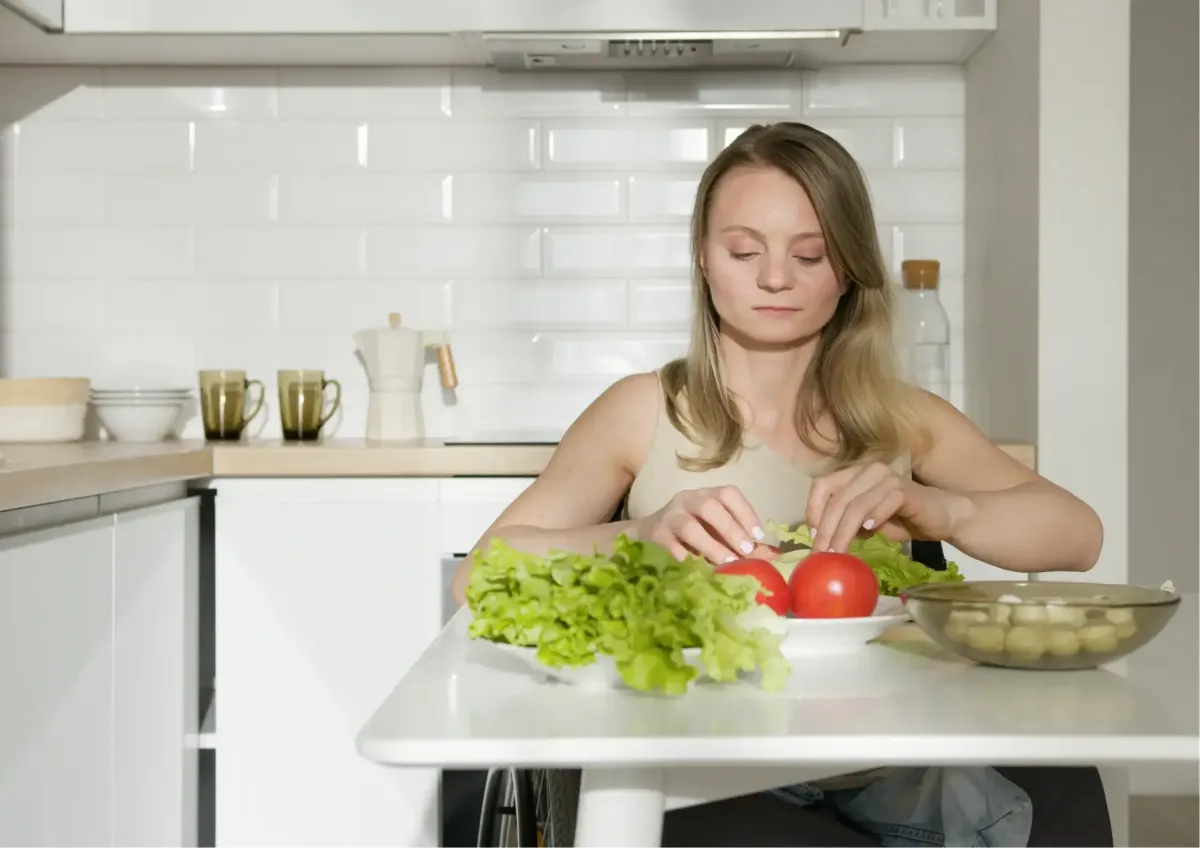
Task 4: Basic Meal Planning & Cooking: Following simple multi-step recipes, using kitchen appliances safely (microwave, stovetop, oven), and storing food at proper temperatures to avoid spoilage.
Task 5: Grocery Shopping & Pantry Management: Creating a weekly shopping list based on a budget, locating items in a store, and comparing prices per unit.
Task 6: Laundry & Fabric Care: Sorting clothes by color or material, operating washer and dryer units, measuring detergent correctly, and folding or hanging garments.
Task 7: Essential Housekeeping & Sanitation: Washing dishes, wiping down surfaces, vacuuming, taking out the trash, and using basic cleaning products safely.
3. Financial Literacy & Money Management
Financial independence relies heavily on understanding how money flows, how to save, and how to avoid financial missteps.
Task 8: Budgeting & Tracking Monthly Expenses: Allocating money for fixed costs (rent, utilities) versus variable expenses (entertainment, dining out).
Task 9: Handling Cash & Electronic Payments: Calculating exact cash payments, checking change, using debit or credit cards responsibly, and keeping account logins secure.
Task 10: Understanding Paychecks & Banking: Reading a pay stub (taxes, deductions), opening a checking or savings account, and monitoring account balances using online banking apps.
4. Community Access & Transportation
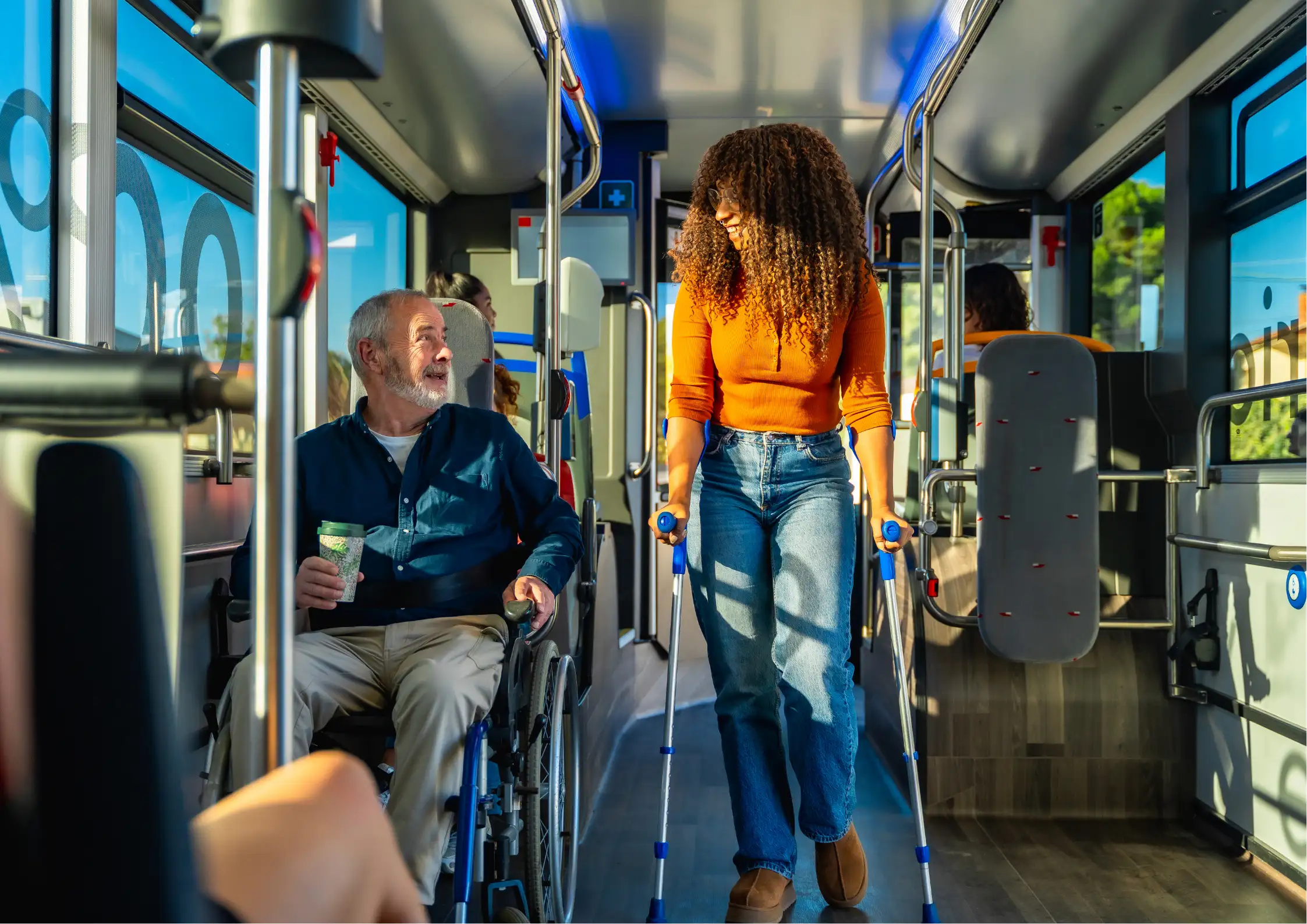
Navigating one’s surrounding city or town safely opens up access to employment, social gatherings, and essential appointments.
Task 11: Using Public Transit & Ride-Share Options: Reading bus or train schedules, buying transit passes, or booking ride-shares safely on a smartphone.
Task 12: Pedestrian & Road Safety: Navigating crosswalks safely, following street signage, and using GPS maps for directional navigation.
Task 13: Emergency Preparedness & Community Safety: Knowing who to contact during emergencies (calling 911), locating emergency exits, and recognizing personal safety boundaries in public settings.
5. Communication & Self-Advocacy
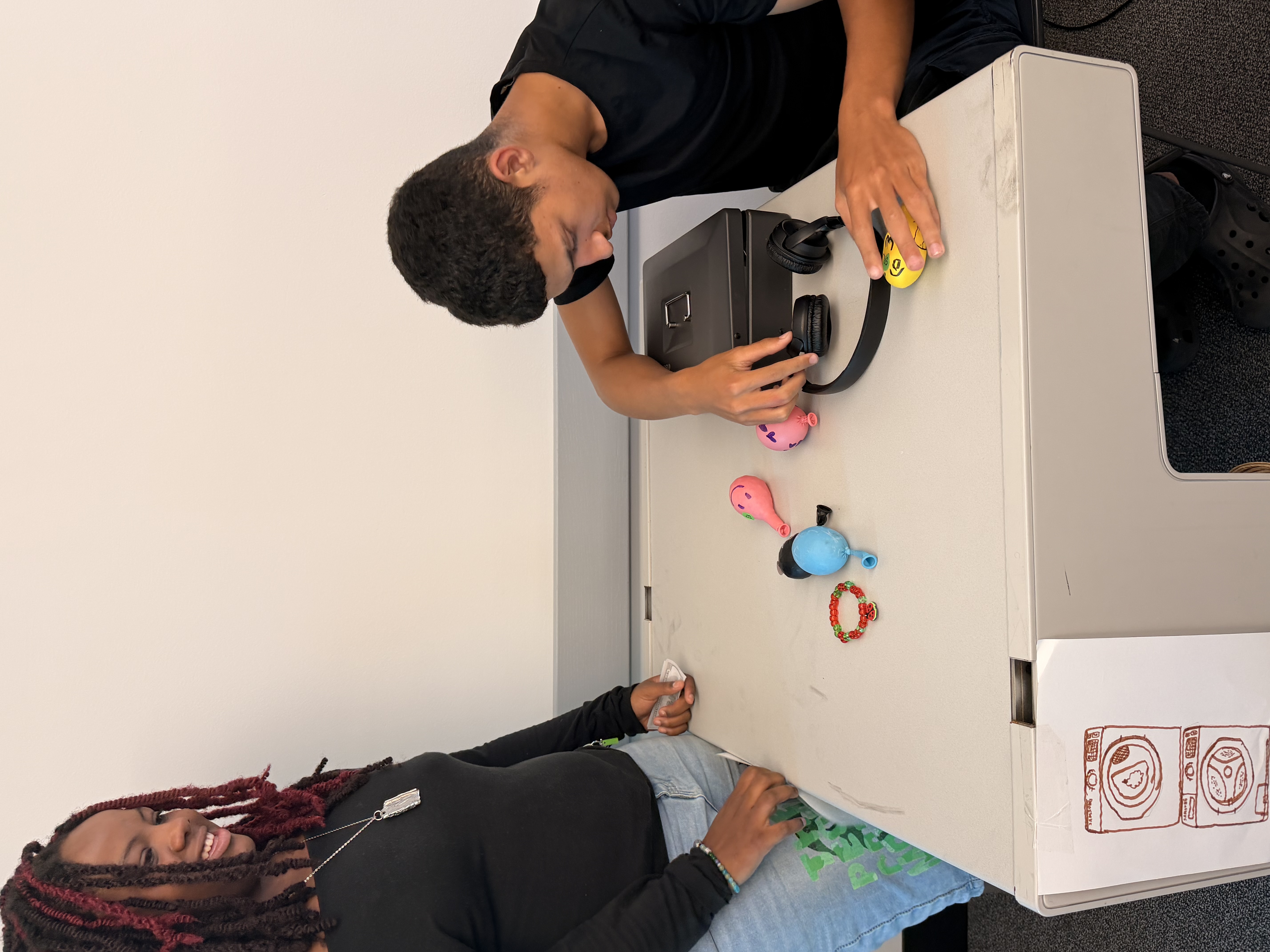
Building strong relationships and standing up for your personal rights are key components of community inclusion.
Task 14: Self-Advocacy & Workplace Accommodations: Knowing how to express one's strengths, explain accommodation needs under the Americans with Disabilities Act (ADA), and ask for help when stuck.
Task 15: Professional & Interpersonal Communication: Writing polite emails, maintaining appropriate eye contact or body language during interactions, and handling constructive feedback from supervisors or peers.
How Florida VR & Pre-ETS Help Master These Skills
For high school students with IEPs or 504 Plans in Florida, mastering independent living skills doesn't have to happen alone. Through state-funded programs like Pre-Employment Transition Services (Pre-ETS), students ages 14–21 receive hands-on instruction in:
Workplace readiness & soft-skills training
Self-advocacy & peer mentorship
Community-based work exploration
To explore how these state-funded transition tracks work, read about our specialized Pre-Employment Transition Services (Pre-ETS) programs in Florida or check out our guide on Florida VR-sponsored career camps for students with IEPs and 504 plans.
Direct service vendors like Better Steps Life Skills Center provide small-group environments where youth can practice independent living tasks alongside experienced job coaches and instructors.
Frequently Asked Questions (FAQ)
What age should a child start practicing independent living skills?
Basic daily living tasks (like dressing, simple kitchen prep, and cleaning up) can start early in childhood. Formal independent living and workplace readiness goals typically begin around age 14 during high school IEP transition planning.
Are independent living skills training covered by Vocational Rehabilitation?
Yes. Pre-ETS and transition youth authorizations through Florida VR cover independent living skill instruction when tied to workplace readiness, self-advocacy, and community access.
Start Building Independent Living Skills Today
Empowering your teen with practical daily living skills sets the foundation for lifelong self-reliance. Feel free to contact the Better Steps Life Skills Center team to verify VR authorization or call (800) 864-8718 to explore upcoming community transition programs.


