
Building Independence for Individuals
With Disabilities Across Florida
Compassionate care and life skills programs that empower
children, teens, and adults to live with dignity and confidence.
Our Affiliations

Building Independence for Individuals
With Disabilities Across Florida
Compassionate care and life skills programs that empower
children, teens, and adults to live with dignity and confidence.
Our Affiliations
500+
Individuals gained independence
10+Years
Healthcare and non-profit leadership experiences
ABOUT US
We Create Brighter Futures for Every Ability
At Better Steps Life Skills Center, we provide compassionate disability support services in Miami and across Florida.
Since 2014, we partnered with families to help individuals with developmental and intellectual disabilities gain essential life skills, greater independence, and stronger community connections.
We are more than a service provider — we are a community that walks alongside every unique journey, creating brighter futures for people of all abilities.
500+
Individuals gained independence
10+Years
Healthcare and leadership experiences
ABOUT US
We Create Brighter Futures for Every Ability
At Better Steps Life Skills Center, we provide compassionate disability support services in Miami and across Florida.
Since 2014, we help individuals with developmental and intellectual disabilities gain essential life skills, greater independence, and stronger community connections.
We are more than a service provider — we are a community that walks alongside every unique journey, creating brighter futures for people of all abilities.
OUR SERVICES
Empowering Independence through Tailored Support
As a VR-authorized provider, we offer specialized training and employment programs designed to build confidence, gain real-world experience, and foster long-term independence.
Employment Readiness: From job prep to long-term supportive employment.
On-the-Job Training: Hands-on, work-based learning in real environments.
Life Skills & Advocacy: Developing the self-reliance needed for daily success.
Youth Transition: Career camps and services for students (ages 14–21).
Personal Support: Reliable transportation and individualized assistance.
OUR SERVICES
Life-enhancing support tailored to every individual’s unique journey
We offer a comprehensive range of Vocational Rehabilitation (VR)–authorized training, employment, and support services designed to help participants build confidence,
gain real-world experience, and move toward greater independence.
Our services focus on skill development, career preparation, employment support, and individualized guidance tailored to each participant’s goals.
Employment Readiness: From job prep to long-term supportive employment.
On-the-Job Training: Hands-on, work-based learning in real environments.
Life Skills & Advocacy: Developing the self-reliance needed for daily success.
Youth Transition: Career camps and services for students (ages 14–21).
Personal Support: Reliable transportation and individualized assistance.
MEET THE FOUNDER
The Vision Behind Better Steps
Hello, I'm Dominiece Cox
As the founder of Better Steps, my mission is to empower individuals with special needs through life skills training, vocational development, and meaningful community engagement.
With over a decade of leadership in healthcare, I’ve had the privilege of helping more than 500 individuals gain independence through tailored employment and supportive services.

“Where growth meets guidance. Providing supported services across Florida.”
MEET THE FOUNDER
Leading with Purpose, Passion, and Heart
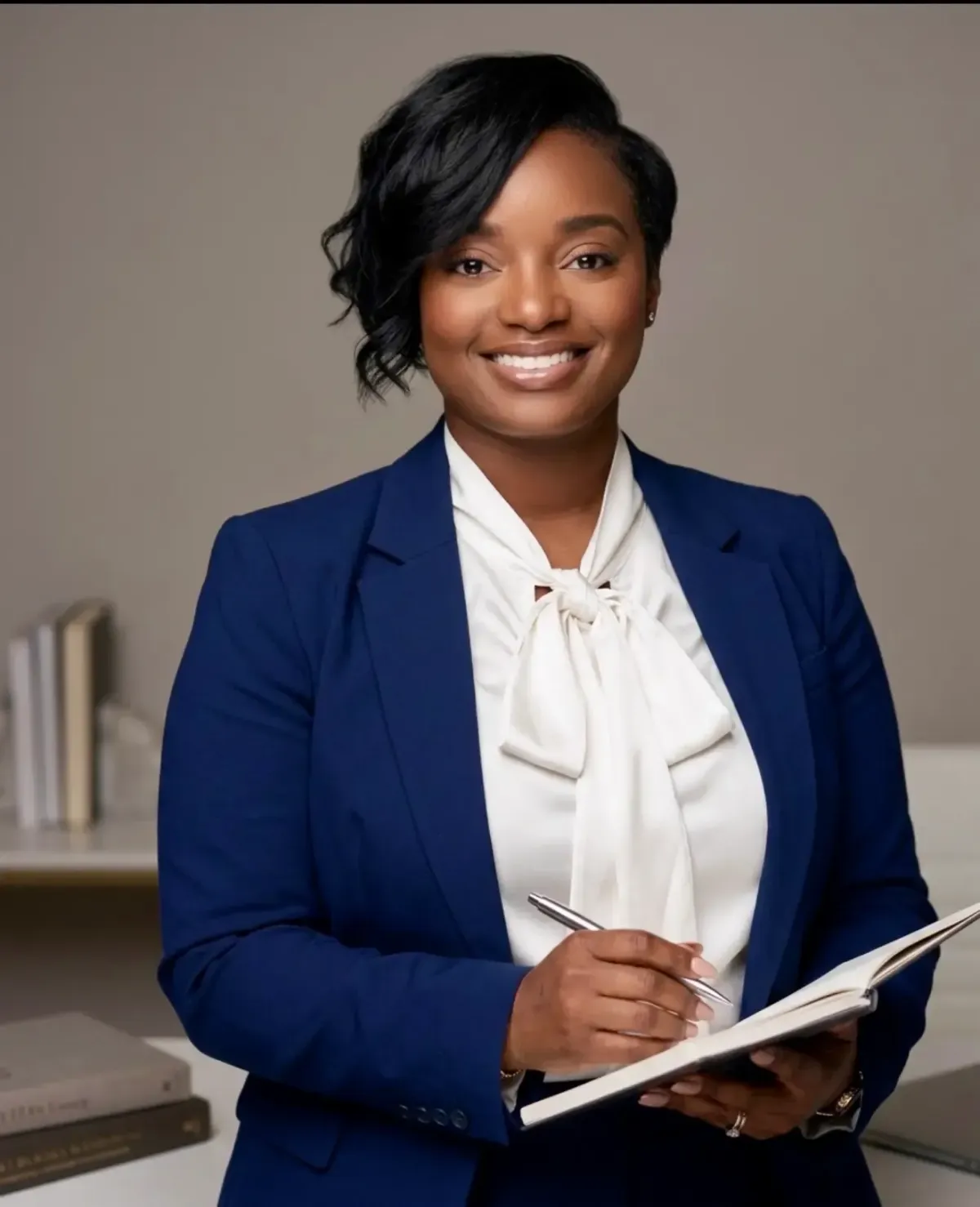
Hello, I'm Dominiece Cox
As the founder of Better Steps, my mission is to empower individuals with special needs through life skills training, vocational development, and meaningful community engagement.
With over a decade of leadership in healthcare, I’ve had the privilege of helping more than 500 individuals gain independence through tailored employment and supportive services.
“Where growth meets guidance supported services in all of Florida”
EVENTS & COMMUNITY
Join Our Inclusive Community
At Better Steps Life Skills Center, we believe that growth and happiness come from connection. Our community events, family workshops, and social programs are open to everyone — providing a welcoming space to learn, share, and celebrate every ability.
Each event offers opportunities to build friendships, gain new skills, and access valuable resources for individuals and families. Together, we create a stronger, more inclusive community — one step, one smile, one event at a time.
Unlock new career possibilities this 2026!



EVENTS & COMMUNITY
Join Our Events and Be Part of an Inclusive Community
At Better Steps Life Skills Center, we believe that growth and happiness come from connection. Our community events, family workshops, and social programs are open to everyone — providing a welcoming space to learn, share, and celebrate every ability.
Each event offers opportunities to build friendships, gain new skills, and access valuable resources for individuals and families. Together, we create a stronger, more inclusive community — one step, one smile, one event at a time.
Unlock new career possibilities this 2026!
TESTIMONIALS
How We’ve Helped People Like You
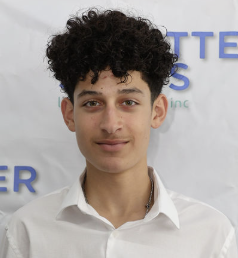
"This camp truly helped me grow.I joined Season 4 of Better Steps Life Skills Camp, and it became such a meaningful experience for me. I learned practical lessons like budgeting and saving, but the most important thing I discovered was how to communicate with others. Before the camp, I didn’t like to talk at all — I was very shy and often kept to myself. Through the activities and encouragement from the staff and my peers, I slowly found my voice. Now I feel more confident in speaking up and sharing my thoughts. This camp truly helped me grow, and I would love to join again in the upcoming Career Camp with Better Steps Life Skills."
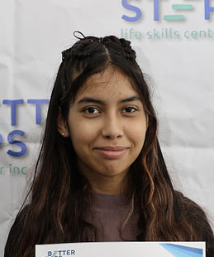
"It helped me take the first steps toward my future. At camp, I learned the importance of connecting with people. I had the chance to interact with new friends, build relationships, and work as part of a team. Before, I often felt nervous about making friends, but the camp showed me how much easier it can be when you share activities and goals together. I also began to understand what type of career I might want to pursue. This program gave me confidence and helped me take the first steps toward my future."
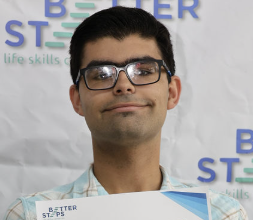
"I'm very thankful for everything. I have been part of the Life Skills Camp from Season 1 through Season 4, and every year has given me something new and valuable. I learned how to start a business and what it really takes to be an entrepreneur. I gained important business skills that I know I will use in the future. One of the biggest lessons I took away was about self-advocacy. Speaking up for myself was never easy, but the camp gave me the tools and confidence to do it. The most powerful thing I learned was discovering the career path I want to follow. That knowledge gave me direction and hope for my future. I am truly thankful for everything Better Steps has given me, and I would love to continue joining more camps."
LATEST BLOGS
Our Latest Articles and News
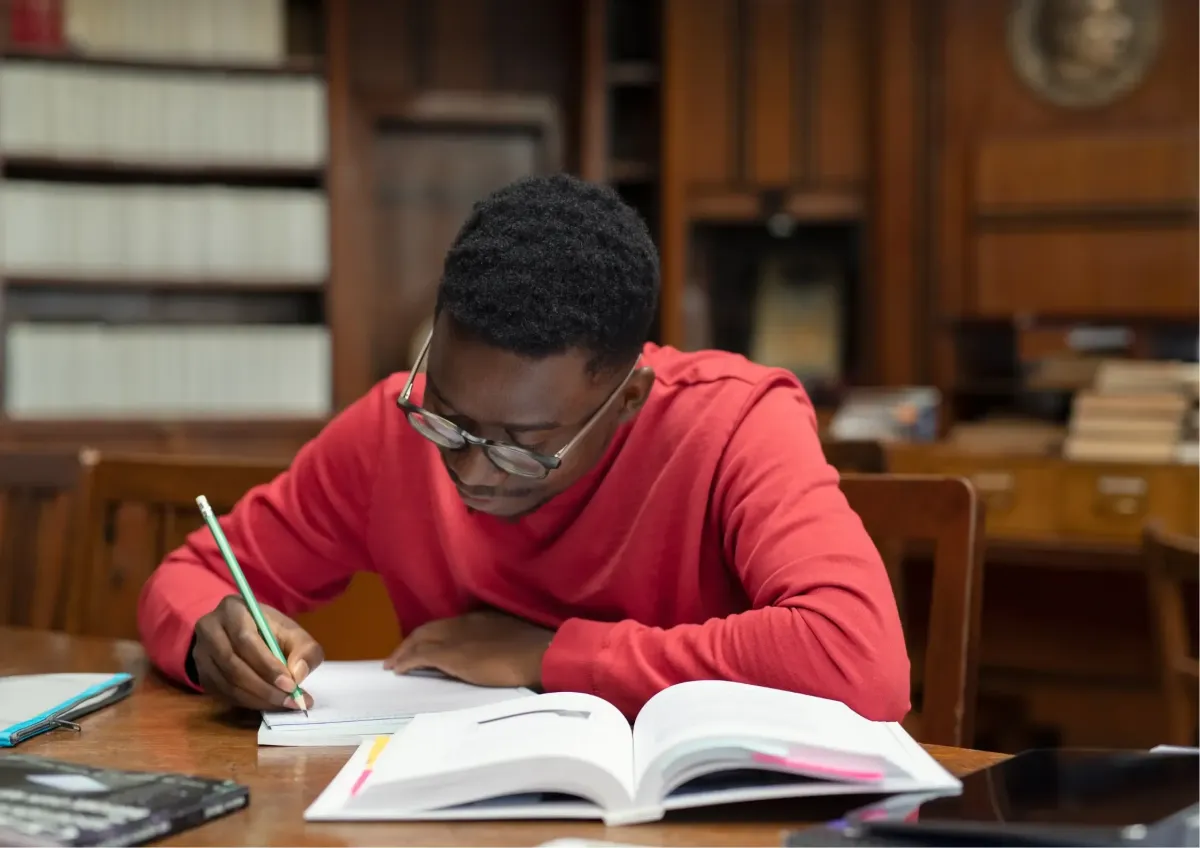
What Is WBLE? Why Work-Based Learning Experiences Are Critical for Students With Disabilities
Imagine being able to walk into the workplace before graduation—not as a visitor or observer, but as someone actually doing real work, earning real wages, and building genuine experience. That's not imagination. That's the promise of Work-Based Learning Experiences (WBLE), one of Florida's most powerful vocational rehabilitation programs for students with disabilities.
For years, the traditional education model has worked like this: students spend time in classrooms learning theory, and then after graduation, they're expected to magically transform that learning into workplace competence. For students with disabilities, this disconnect can be particularly challenging. Without exposure to real work environments, without understanding workplace expectations, and without building confidence through actual employment, the transition from school to work often stumbles.
Work-Based Learning Experiences (WBLE) are community-based work experiences that use the workplace or real work to provide students with disabilities the knowledge and skills that will help them connect their experiences in school to real-life work activities and career opportunities. This isn't busy work or volunteer activities. WBLE are intentional, structured opportunities to develop genuine work skills, earn money, and build the confidence that comes from actual employment success.
At Better Steps Life Skills Center in Florida, we recognize that WBLE represents one of the most valuable services available to transition-age youth with disabilities. Let's explore what WBLE is, why it matters so much, and how we support students in maximizing this opportunity.
What Exactly Is WBLE?
Work-Based Learning Experiences sound straightforward—students work in real jobs in real workplaces. But there's much more to it than that. WBLE is a carefully structured service within the vocational rehabilitation system, with specific goals, oversight, and support components.
The WBLE program provides VR-eligible students with disabilities an opportunity to receive assistance developing and enhancing vocational interests, work readiness behaviors (attendance, dress, etc.), interpersonal and communication skills, work-related life skills, and knowledge of work practices (payroll, timesheets, benefits, etc.)
This means WBLE isn't just about filling a job position—it's about intentional skill development. While a student is working, they're also:
Developing work readiness skills like punctuality, appropriate dress, following directions, and asking for help appropriately
Practicing interpersonal skills including communication with supervisors and coworkers, accepting feedback, and navigating workplace social dynamics
Learning work practices such as how payroll works, what timesheets are, understanding benefits, and recognizing workplace safety expectations
Enhancing career interests by experiencing different types of work and exploring whether specific careers align with their interests and abilities
Building confidence through successfully performing work tasks and being valued as an employee
Work-Based Learning Experiences are a Pre-Employment Transition Service conducted in a real work environment in the community, driven by hands-on learning, can be paid or unpaid, and require direct employer or community involvement to be successful.
Florida's WBLE Program: Structure and Access
Florida has recognized the critical importance of WBLE in supporting successful transition to employment. Florida Division of Vocational Rehabilitation has 35 Work-Based Learning Experience (WBLE) contracts with local school districts, providing structured opportunities for students with disabilities across the state. To participate in WBLE through Florida's vocational rehabilitation system, a student must be:
Age 14-21 — WBLE is designed for transition-age youth still in school or recently exited
VR Eligible or Presumed Eligible — The student must have a documented disability and meet vocational rehabilitation eligibility criteria
Interested in Work — The student must express interest in exploring work options and employment pathways
Access begins through your school's special education or transition program. If your student is receiving special education services and is approaching the transition years, ask about WBLE eligibility. Your school's transition coordinator or VR counselor can provide information about accessing these services.
The Power of Hands-On Learning in Real Work Environments
Why is real work experience so important for students with disabilities? The answer lies in neuroscience, learning theory, and practical reality.
Learning Through Experience: We learn best by doing. Classroom instruction about workplace expectations is helpful, but actually experiencing those expectations in a real job is transformative. A student might understand the concept of "being on time," but arriving at a job at 8 a.m. every day for weeks, understanding the real consequences of lateness, and experiencing the pride of perfect attendance—that's genuine learning.
Building Confidence Based on Real Success: Many students with disabilities have internalized limiting beliefs about their capacity to work. They've been told "no" repeatedly or protected from situations where they might struggle. WBLE provides evidence that counters these limiting beliefs. When a student completes work tasks, receives positive feedback from a supervisor, and earns a paycheck, their belief in their own capacity shifts. That's not motivation or positive thinking—that's confidence based on actual achievement.
Understanding Real Workplace Expectations: Workplaces have unwritten rules and expectations that aren't taught in school. How do you handle it when you make a mistake? What does "professional" actually mean in different work settings? How do you talk to a supervisor? How do you handle disagreement with a coworker? These lessons are learned best through direct experience with employer feedback.
Developing Genuine Work Skills: While vocational skills training has value, the skills learned in actual work settings are deeper and more applicable. A student might learn data entry skills in a classroom, but data entry skills learned while actually doing data entry in a business office, with real deadlines and real expectations, are far more robust and transferable.
Building Employer Relationships: Perhaps most valuable, WBLE creates relationships between students and employers. When a student works successfully with an employer during WBLE, that employer has direct evidence that people with disabilities can perform well. This relationship often translates to permanent employment offers. We've seen many WBLE participants continue at their internship sites as permanent employees after graduation—the most successful employment outcome possible.
The Components of Effective WBLE
Not all work experiences are created equal. Effective WBLE has several key components:
Individualized Job Matching: The first step is matching a student with an appropriate work experience. This requires understanding the student's interests, abilities, support needs, and career goals, then finding a work setting that aligns with these factors while providing learning opportunities.
A student who is detail-oriented and prefers independent work might thrive in a filing or data entry position, while a more social student might excel in customer-facing roles. A student who needs significant structure and clear expectations might benefit from a large organization with detailed policies, while another might do better in a smaller, more flexible environment.
Structured Job Coaching: WBLE training typically focuses on job coaching through work-based learning experiences in competitive integrated employment settings, with job coaches providing side-by-side coaching and support. This is critical. Job coaching means an expert is present to help the student learn the job, problem-solve when challenges arise, and receive immediate feedback.
Good job coaching is gradually faded. The goal isn't for students to depend on a coach forever—it's for them to develop independence. A good job coach starts with more intensive support and gradually reduces their presence as the student develops competency.
Clear Goals and Monitoring: WBLE should have specific, documented goals. What specific work skills is the student developing? What workplace readiness skills are being targeted? What is success? Progress toward these goals should be monitored regularly, with adjustments made if the student needs different support or if the job isn't the right fit.
Employer Partnership: The employer isn't just providing a work position—they're an active partner in the student's development. Good WBLE programs maintain regular communication with employers, provide accommodations support, and ensure the employer understands that this is a learning experience, not just filling a job need.
Paid Opportunities When Possible: Paid work experiences during high school effectively increase adult employment, and initiatives for youth with disabilities that focus on education, training, and work-based learning experiences have positive outcome associations. While some WBLE positions are unpaid, paid positions provide multiple benefits: students earn money, they have a genuine incentive to perform well, employers invest in them differently, and the experience of earning actual wages builds confidence and understanding of employment.

What WBLE Can Teach You: Skills That Last a Lifetime
Beyond the specific job skills learned, WBLE teaches broader competencies that transfer across all employment:
Work Readiness Fundamentals
Arriving on time consistently
Appropriate dress and appearance for the workplace
Following directions and completing assigned tasks
Understanding and following workplace policies
Maintaining personal hygiene and health habits
Managing a schedule that includes work
Interpersonal and Communication Skills
Communicating respectfully with supervisors
Interacting appropriately with coworkers
Asking for help when needed
Accepting constructive feedback without defensiveness
Understanding workplace social norms and boundaries
Recognizing different communication styles
Problem-Solving and Independence
Identifying when something is wrong and asking for help
Attempting to solve problems before seeking assistance
Adapting when expectations or processes change
Taking initiative appropriately
Understanding personal responsibility for job performance
Self-Advocacy
Understanding personal support needs and how to communicate them
Requesting accommodations respectfully
Understanding what constitutes appropriate workplace accommodation
Self-monitoring and adjusting behavior based on feedback
Recognizing when additional support is needed
Understanding the Working World
How timesheets work and why accuracy matters
How paychecks are calculated and what deductions mean
Understanding benefits (if applicable) and workplace safety
Recognizing workplace expectations and norms
Understanding labor rights and responsibilities
How Better Steps Supports Your WBLE Experience
At Better Steps Life Skills Center in Florida, we recognize that WBLE success requires more than just job placement. Students need comprehensive support to develop the skills, confidence, and independence to thrive in work environments.
Pre-WBLE Preparation: Before entering a work-based learning position, students benefit from foundational skill development. At Better Steps, we help students:
Develop basic workplace readiness skills
Practice interview and communication skills
Understand workplace expectations and norms
Build confidence in their capacity to work
Identify their interests, strengths, and support needs
Develop self-advocacy skills for requesting accommodations
This preparation maximizes the benefit when they enter an actual work experience.
Job Coaching and Support: Better Steps works collaboratively with VR and employers to provide effective job coaching. Our experienced coaches:
Help students learn specific job tasks
Support development of workplace readiness skills
Facilitate communication between student and employer
Problem-solve when challenges arise
Gradually fade support as independence develops
Provide emotional support through the learning process
Workplace Readiness Training Throughout WBLE, we provide ongoing workplace readiness training addressing specific skills the student needs for their particular job and employer. This might include:
Communication with their specific supervisor
Understanding their specific employer's expectations and culture
Managing sensory or emotional challenges in their work environment
Building relationships with coworkers
Problem-solving specific workplace challenges
Self-Advocacy Development: We help students understand their own needs, communicate them effectively, and request accommodations appropriately. This skill is invaluable during WBLE and throughout future employment.
Employer Partnership: Better Steps maintains ongoing communication with employers, helping them understand disability accommodation, celebrating student successes, and addressing any challenges that arise. When employers understand that we're supporting not just the student but also their success as an employer, they become invested in the student's success.
Emotional Support: We recognize that entering the workplace can feel overwhelming. Better Steps provides emotional support, celebrating successes, processing challenges, and helping students build confidence through their WBLE experience.
Transition to Permanent Employment: Our goal is not just successful WBLE completion—it's transition to permanent employment. We work with employers to convert successful WBLE positions to permanent employment when possible, or help connect students to ongoing employment services that support job search and placement.
Making the Most of Your WBLE Experience
If you're a student considering WBLE or parents exploring options, here's how to maximize this opportunity:
1. Be Honest About Interests and Abilities. Successful matching depends on accurate information. Be clear about what interests you, what tasks you enjoy, what challenges you face, and what support you need. This helps find the right position.
2. Approach WBLE as a Learning Experience. You won't be perfect. You'll make mistakes and face challenges. That's the whole point of WBLE—it's designed as a learning experience. Embrace the learning rather than being discouraged by mistakes.
3. Communicate With Your Job Coach. Your job coach is there to support you. Share when you're struggling, when you don't understand something, when you're worried, or when something isn't working. Good communication helps your coach provide the right support.
4. Be Reliable and Committed: Show up on time, give your best effort, and take the job seriously. Your reliability and effort matter to your employer and build your own confidence.
5. Ask Questions and Seek Help Appropriately. Part of workplace readiness is learning when and how to ask for help. If you don't understand something, ask. If something seems wrong, speak up. This is how you develop actual workplace competence.
6. Reflect on What You're Learning. Regularly think about what you're learning, what's working, what challenges you're facing, and how you're growing. This reflection deepens learning and helps you transfer skills to future jobs.
7. Build Relationships: Pay attention to relationships with supervisors and coworkers. These relationships make work more enjoyable and often lead to lasting connections and employment opportunities.
The Long-Term Impact of WBLE
Participation in WBLE is associated with significantly better long-term employment outcomes. Young adults with disabilities who participate in work-based learning experiences are more likely to:
Secure competitive, integrated employment after high school
Earn higher wages
Maintain employment longer
Experience greater job satisfaction
Live more independently
Contribute to their families and communities
Report higher quality of life overall
These aren't just statistics—they represent lives transformed by the opportunity to work, earn, and contribute.
Your Next Steps
If you're a student with a disability approaching transition years, ask your school about WBLE. Talk to your transition coordinator, special education teacher, or VR counselor. Find out about eligibility and available opportunities. Don't leave your transition to chance—take advantage of the structured, supported work experience that WBLE provides.
If you're a parent, advocate for your student's access to WBLE. This experience can literally change the trajectory of their adult life. Partner with schools and VR to ensure your student gets quality WBLE.
If you want support maximizing your WBLE experience or preparing for it, Better Steps Life Skills Center in Florida is here to help. We understand the power of work-based learning, and we're committed to supporting students through this transformative experience.
Turning Possibility Into Reality
Work-Based Learning Experiences represent one of the most powerful tools available for helping young people with disabilities transition to successful employment. By providing real work experience, structured skill development, employer partnership, and comprehensive support, WBLE transforms possibilities into realities.
Your future doesn't have to be uncertain. With WBLE, you can enter the workplace while still in school, develop genuine skills, build confidence based on real success, and often transition directly into permanent employment. You can become a working person with a job, an income, a community, and a future you're building intentionally.
That future isn't a dream—it's available to you through Work-Based Learning Experiences. And Better Steps is here to support you in making it real.

Our Vision
A world where physical, intellectual, and developmental challenges don't limit our human potential in areas of self-reliance, growth, and influence.
Our Mission
At Better Steps Life Skills Center, our mission is to help and empower members of our community who experience physical, developmental, and intellectual challenges to enhance essential life skills and live more independently.

Licensure and Trainings
● HIPAA
● CPR
● Home Health Aide
● Home-making and Companion License
Our Vision
A world where physical, intellectual, and developmental challenges don't limit our human potential in areas of self-reliance, growth, and influence.
Our Mission
At Better Steps Life Skills Center, our mission is to help and empower members of our community who experience physical, developmental, and intellectual challenges to enhance essential life skills and live more independently.
Licensure and Trainings
● HIPAA
● CPR
● Home Health Aide
● Home-making and Companion License
GET IN TOUCH
We love to connect with you!
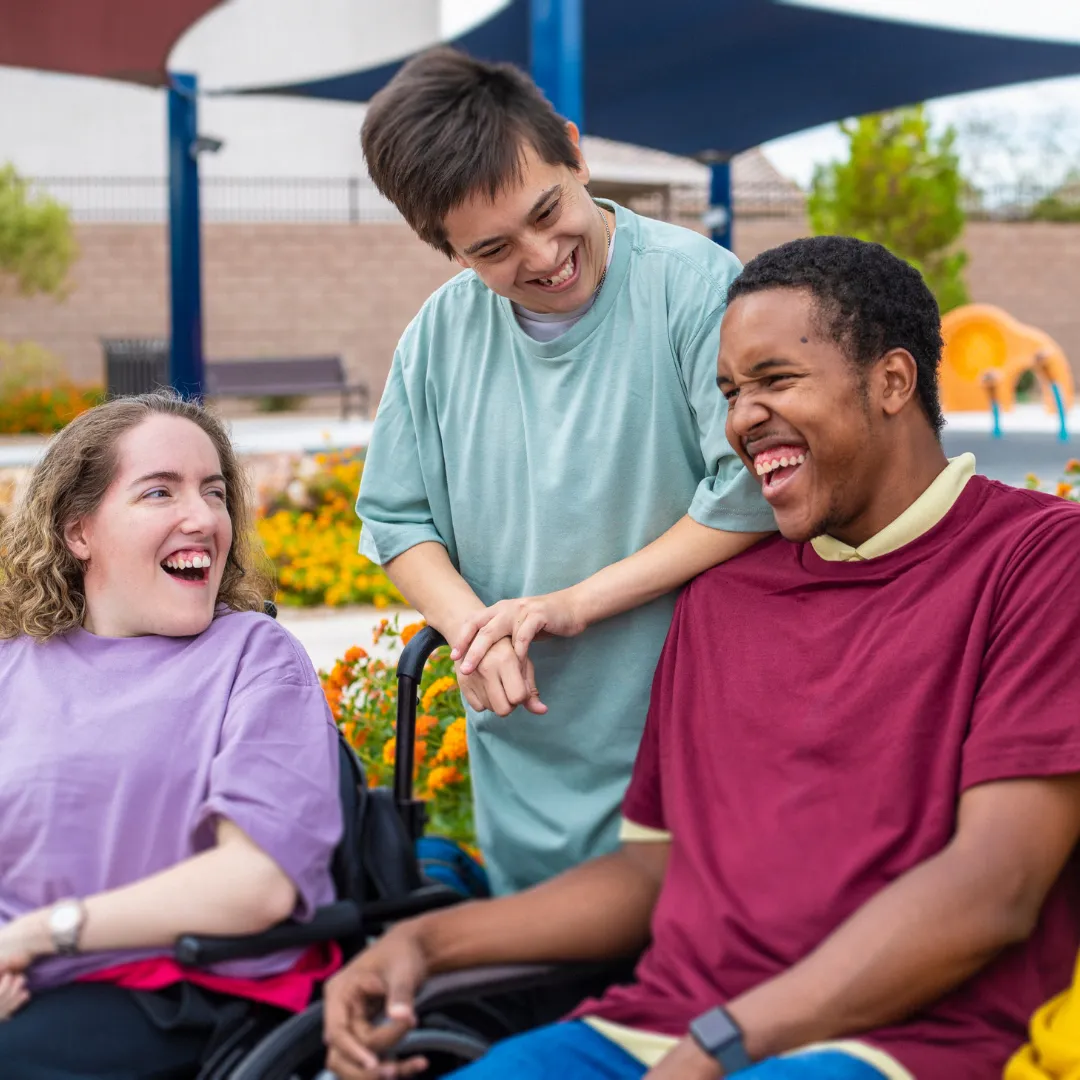
What is Better Steps Life Skills Center?
Better Steps Life Skills Center, Inc. is a Florida-based organization dedicated to empowering individuals with disabilities by providing life skills training, personal support services, and community-based programs that promote independence, confidence, and long-term success.
Who do you support at Better Steps Life Skills Center?
We support youth, and adults with intellectual, developmental, and physical disabilities. Our services are designed to meet individuals where they are and help them grow at their own pace toward greater independence and self-sufficiency.
What services does Better Steps Life Skills Center offer?
Better Steps Life Skills Center Inc. offers a wide range of Vocational Rehabilitation (VR)–authorized training and support services. Our programs are designed to help participants build confidence, gain real-world experience, and move toward greater independence.
Do you offer programs for students and young adults?
Yes. We offer structured programs such as career readiness training and summer career camps designed for students with IEPs or 504 Plans. These programs focus on workplace skills, self-advocacy, communication, and real-world experience.
What is life skills training and why is it important?
Life skills training helps individuals develop practical abilities needed for everyday life, such as communication, decision-making, time management, self-care, and social skills. These skills are essential for independent living, employment success, and community participation.
How do I get started with Better Steps Life Skills Center services?
Getting started is simple. You can contact our team through our website or by phone to discuss your needs. We’ll guide you through available services, eligibility, and next steps to ensure the right support plan is in place.
Where are your services available?
Better Steps Life Skills Center is based in Florida, with services available in Miami and surrounding areas. We also work with families, schools, and community partners across the state to expand access to meaningful support.
COMPANY
LEGAL
CUSTOMER CARE
Copyright 2026. Better Steps Life Skills Center. All Rights Reserved.


Copyright 2026. Better Steps Life Skills Center. All Rights Reserved.
GET IN TOUCH
We love to connect with you!
What is Better Steps Life Skills Center?
Better Steps Life Skills Center, Inc. is a Florida-based organization dedicated to empowering individuals with disabilities by providing life skills training, personal support services, and community-based programs that promote independence, confidence, and long-term success.
Who do you support at Better Steps Life Skills Center?
We support youth, and adults with intellectual, developmental, and physical disabilities. Our services are designed to meet individuals where they are and help them grow at their own pace toward greater independence and self-sufficiency.
What services does Better Steps Life Skills Center offer?
Better Steps Life Skills Center Inc. offers a wide range of Vocational Rehabilitation (VR)–authorized training and support services. Our programs are designed to help participants build confidence, gain real-world experience, and move toward greater independence.
Do you offer programs for students and young adults?
Yes. We offer structured programs such as career readiness training and summer career camps designed for students with IEPs or 504 Plans. These programs focus on workplace skills, self-advocacy, communication, and real-world experience.
What is life skills training and why is it important?
Life skills training helps individuals develop practical abilities needed for everyday life, such as communication, decision-making, time management, self-care, and social skills. These skills are essential for independent living, employment success, and community participation.
How do I get started with Better Steps Life Skills Center services?
Getting started is simple. You can contact our team through our website or by phone to discuss your needs. We’ll guide you through available services, eligibility, and next steps to ensure the right support plan is in place.
Where are your services available?
Better Steps Life Skills Center is based in Florida, with services available in Miami and surrounding areas. We also work with families, schools, and community partners across the state to expand access to meaningful support.
Be a Part of Their Success
At Better Steps, we believe in the potential of every unique journey. Your donation directly funds the tools, vocational training, and mentorship programs that help individuals with disabilities gain the confidence to lead independent lives. Join our community of supporters and help us turn possibility into reality.
COMPANY
CUSTOMER CARE
LEGAL
FOLLOW US
Copyright 2026. Better Steps Life Skills Center. All Rights Reserved.