
Building Independence for Individuals
With Disabilities Across Florida
Compassionate care and life skills programs that empower
children, teens, and adults to live with dignity and confidence.
Our Affiliations

Building Independence for Individuals
With Disabilities Across Florida
Compassionate care and life skills programs that empower
children, teens, and adults to live with dignity and confidence.
Our Affiliations
500+
Individuals gained independence
10+Years
Healthcare and non-profit leadership experiences
ABOUT US
We Create Brighter Futures for Every Ability
At Better Steps Life Skills Center, we provide compassionate disability support services in Miami and across Florida.
Since 2014, we partnered with families to help individuals with developmental and intellectual disabilities gain essential life skills, greater independence, and stronger community connections.
We are more than a service provider — we are a community that walks alongside every unique journey, creating brighter futures for people of all abilities.
Individuals gained independence
Years of healthcare & leadership experience
ABOUT US
We Create Brighter Futures for Every Ability
At Better Steps Life Skills Center, we provide compassionate disability support services in Miami and across Florida.
Since 2014, we help individuals with developmental and intellectual disabilities gain essential life skills, greater independence, and stronger community connections.
We are more than a service provider — we are a community that walks alongside every unique journey, creating brighter futures for people of all abilities.
OUR SERVICES
Empowering Independence through Tailored Support
As a VR-authorized provider, we offer specialized training and employment programs designed to build confidence, gain real-world experience, and foster long-term independence.
Employment Readiness: From job prep to long-term supportive employment.
On-the-Job Training: Hands-on, work-based learning in real environments.
Life Skills & Advocacy: Developing the self-reliance needed for daily success.
Youth Transition: Career camps and services for students (ages 14–21).
Personal Support: Reliable transportation and individualized assistance.
OUR SERVICES
Life-enhancing support tailored to every individual’s unique journey
We offer a comprehensive range of Vocational Rehabilitation (VR)–authorized training, employment, and support services designed to help participants build confidence,
gain real-world experience, and move toward greater independence.
Our services focus on skill development, career preparation, employment support, and individualized guidance tailored to each participant’s goals.
Employment Readiness: From job prep to long-term supportive employment.
On-the-Job Training: Hands-on, work-based learning in real environments.
Life Skills & Advocacy: Developing the self-reliance needed for daily success.
Youth Transition: Career camps and services for students (ages 14–21).
Personal Support: Reliable transportation and individualized assistance.
MEET THE FOUNDER
The Vision Behind Better Steps
Hello, I'm Dominiece Cox
As the founder of Better Steps, my mission is to empower individuals with special needs through life skills training, vocational development, and meaningful community engagement.
With over a decade of leadership in healthcare, I’ve had the privilege of helping more than 500 individuals gain independence through tailored employment and supportive services.


“Where growth meets guidance. Providing supported services across Florida.”
MEET THE FOUNDER
Leading with Purpose, Passion, and Heart
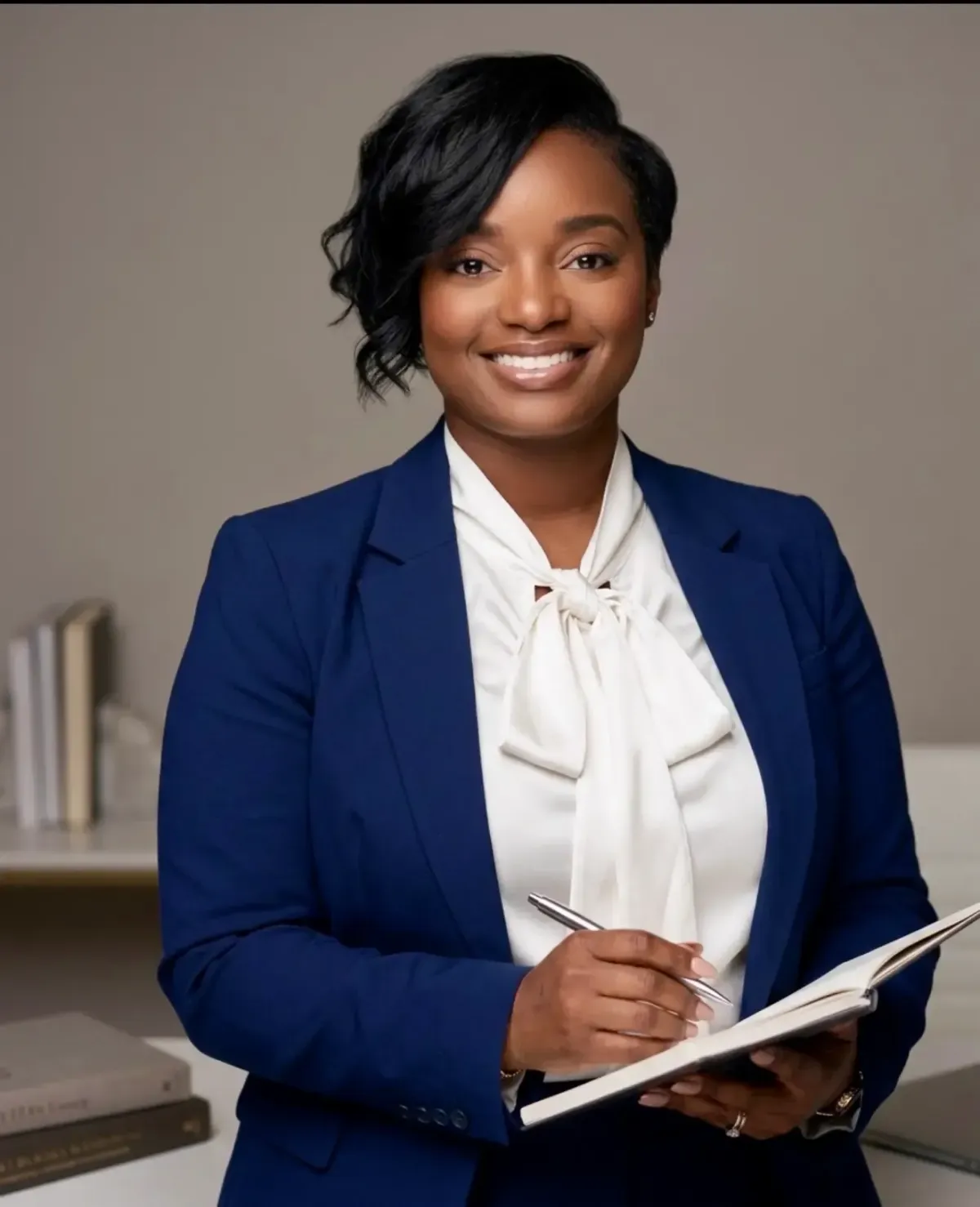
Hello, I'm Dominiece Cox
As the founder of Better Steps, my mission is to empower individuals with special needs through life skills training, vocational development, and meaningful community engagement.
With over a decade of leadership in healthcare, I’ve had the privilege of helping more than 500 individuals gain independence through tailored employment and supportive services.
“Where growth meets guidance supported services in all of Florida”
EVENTS & COMMUNITY
Join Our Inclusive Community
At Better Steps Life Skills Center, we believe that growth and happiness come from connection. Our community events, family workshops, and social programs are open to everyone — providing a welcoming space to learn, share, and celebrate every ability.
Each event offers opportunities to build friendships, gain new skills, and access valuable resources for individuals and families. Together, we create a stronger, more inclusive community — one step, one smile, one event at a time.
Unlock new career possibilities this 2026!



EVENTS & COMMUNITY
Join Our Events and Be Part of an Inclusive Community
At Better Steps Life Skills Center, we believe that growth and happiness come from connection. Our community events, family workshops, and social programs are open to everyone — providing a welcoming space to learn, share, and celebrate every ability.
Each event offers opportunities to build friendships, gain new skills, and access valuable resources for individuals and families. Together, we create a stronger, more inclusive community — one step, one smile, one event at a time.
Unlock new career possibilities this 2026!
TESTIMONIALS
How We’ve Helped People Like You
"This camp truly helped me grow.I joined Season 4 of Better Steps Life Skills Camp, and it became such a meaningful experience for me. I learned practical lessons like budgeting and saving, but the most important thing I discovered was how to communicate with others. Before the camp, I didn’t like to talk at all — I was very shy and often kept to myself. Through the activities and encouragement from the staff and my peers, I slowly found my voice. Now I feel more confident in speaking up and sharing my thoughts. This camp truly helped me grow, and I would love to join again in the upcoming Career Camp with Better Steps Life Skills."
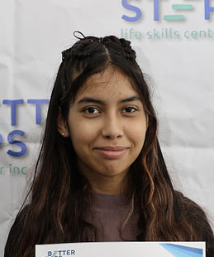
"It helped me take the first steps toward my future. At camp, I learned the importance of connecting with people. I had the chance to interact with new friends, build relationships, and work as part of a team. Before, I often felt nervous about making friends, but the camp showed me how much easier it can be when you share activities and goals together. I also began to understand what type of career I might want to pursue. This program gave me confidence and helped me take the first steps toward my future."
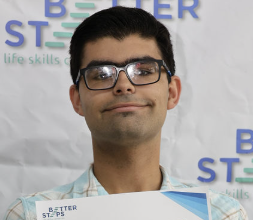
"I'm very thankful for everything. I have been part of the Life Skills Camp from Season 1 through Season 4, and every year has given me something new and valuable. I learned how to start a business and what it really takes to be an entrepreneur. I gained important business skills that I know I will use in the future. One of the biggest lessons I took away was about self-advocacy. Speaking up for myself was never easy, but the camp gave me the tools and confidence to do it. The most powerful thing I learned was discovering the career path I want to follow. That knowledge gave me direction and hope for my future. I am truly thankful for everything Better Steps has given me, and I would love to continue joining more camps."
LATEST BLOGS
Our Latest Articles and News

Understanding IEPs and 504 Plans: Essential Guide for Neurodiverse Students and Their Futures
If you're a parent of a neurodiverse child, you've likely heard the terms "IEP" and "504 Plan" multiple times. You may have attended multiple meetings about these documents. You might have strong feelings about them—relief that your child has support, frustration with the process, anger that services aren't adequate, or confusion about how they work.
These documents are crucial. They literally shape your child's educational experience, the accommodations they receive, and the support available to them. Yet many parents and students don't fully understand what IEPs and 504 Plans actually are, how they differ, what rights they protect, and most importantly, how they transition from school to adult life.
At Better Steps Life Skills Center in Florida, we work extensively with students who have IEPs and 504 Plans. We understand how these documents shape educational experience, and we understand the critical transition point where school-based supports end and adult services must begin. This guide walks you through everything you need to know about IEPs, 504 Plans, and how Better Steps helps bridge the gap to employment and independence.
What Is an IEP (Individualized Education Program)?
An IEP is a legally binding document that outlines:
Your child's disability and how it impacts their education
Specific educational goals for the school year
The special education services and accommodations your child needs
How progress will be measured
The percentage of time in general education vs. special education
Transition services (for students age 14+)
Your child's rights under special education law
Who Gets an IEP?
Students ages 3-21 who have a documented disability that impacts their education are eligible for an IEP if they're found eligible under the Individuals with Disabilities Education Act (IDEA). This includes neurodiverse students like those with:
Autism Spectrum Disorder
ADHD (Attention-Deficit/Hyperactivity Disorder)
Specific Learning Disabilities (dyslexia, dyscalculia, dysgraphia)
Intellectual Disability
Other Health Impairments (including mental health conditions)
Emotional/Behavioral Disabilities
Speech-Language Disabilities
Deaf/Hard of Hearing
Blind/Low Vision
Physical Disabilities
Traumatic Brain Injury
Important: A student doesn't have to have a medical diagnosis to qualify for an IEP. The determination is based on whether the condition impacts educational performance and whether special education is needed.
What's Included in an IEP?
Present Levels of Academic and Functional Performance (PLAFP)
This section describes your child's current functioning—their strengths, challenges, how their disability affects them, and what they're currently able to do academically and functionally.
Measurable Annual Goals
These are specific, measurable goals for what your child will accomplish in the next year. Goals might be academic (improving reading comprehension) or functional (developing social skills, improving executive function, managing behavior).
Special Education Services and Supports
This outlines what services your child will receive:
Direct special education instruction
Speech/language therapy
Occupational therapy
Counseling/mental health services
Assistive technology
Other specialized services
It specifies how much time per week and in what settings.
Accommodations and Modifications
These are changes to how your child accesses education without changing what they're learning:
Extra time on tests
Preferential seating
Reduced distractions
Assistive technology
Modified assignments
Alternative testing formats
Behavioral supports
Sensory accommodations
Least Restrictive Environment (LRE)
This specifies what percentage of the school day your child spends in general education vs. special education. The goal is to include students with disabilities in general education as much as possible.
Transition Services (Age 14+)
For students age 14 and older, the IEP includes transition planning:
Post-secondary goals (employment, education, independent living)
Services needed to meet those goals
Connection to vocational rehabilitation and community services
Academic and functional skill instruction aligned with post-secondary goals
How Often Is an IEP Updated?
IEPs are reviewed at least annually
Any team member can request an IEP meeting if there are concerns
The IEP is updated annually and revised as needs change
Every three years, a full comprehensive evaluation must occur to reassess eligibility
Your Rights With an IEP
As a parent, you have significant rights:
Right to be involved in all IEP meetings
Right to request an evaluation if you believe your child needs special education
Right to due process if you disagree with the school's decisions
Right to see all educational records
Right to an independent evaluation if you disagree with school assessment
Right to request changes to the IEP
Right to have your concerns documented in the IEP
What Is a 504 Plan?
A 504 Plan is a civil rights document (not an IDEA special education document) that provides accommodations for students with disabilities that impact major life activities.
Who Gets a 504 Plan?
Students who have a physical or mental impairment that substantially limits one or more major life activities (learning, thinking, concentrating, managing behavior, etc.) are eligible for a 504 Plan, even if they don't qualify for special education.
Many neurodiverse students have 504 Plans, including those with:
ADHD (particularly if they don't qualify for special education)
Anxiety or depression
Autism (if they don't qualify for special education due to adequate academics)
Specific learning disabilities (if academic performance isn't severely impacted)
Asthma, allergies, or other conditions affecting school participation
Medical conditions requiring accommodations
What's in a 504 Plan?
A 504 Plan typically includes:
Description of the disability and how it impacts learning
Required accommodations
How the plan will be monitored
Review schedule
504 Plans are simpler than IEPs and focused specifically on accommodations rather than special education services.
Common 504 Accommodations:
Extended test time
Quiet testing environment
Breaks during the day
Preferential seating
Reduced distractions
Modified homework
Behavioral supports
Medication reminders (school administers)
Assistive technology
Modified schedules
Access to counselor
How Often Is a 504 Plan Updated?
504 Plans are reviewed at least annually and revised as needed. They should be updated whenever accommodations change.
Your Rights With a 504 Plan
Right to participate in plan development
Right to see the plan and all related documents
Right to request changes to accommodations
Right to due process if you disagree with decisions
Right to independent evaluation if you believe the school isn't identifying your child appropriately
IEP vs. 504 Plan: Key Differences
This comparison table clarifies the major differences:
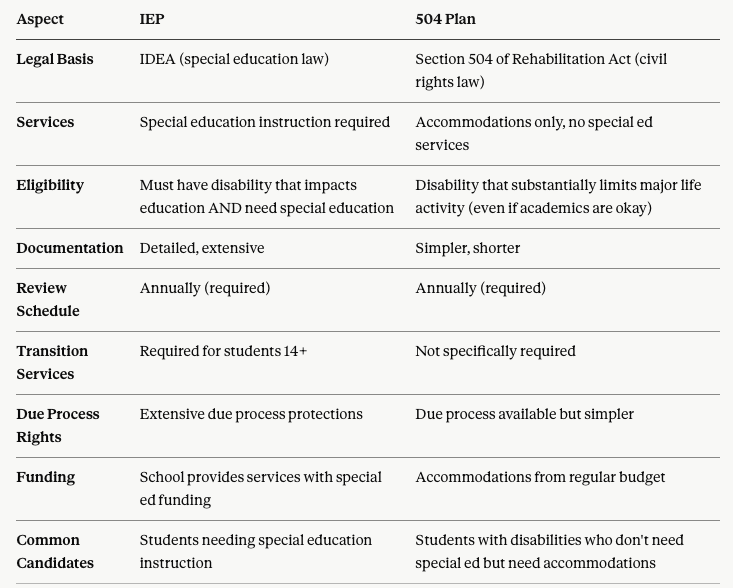
Important Note: A student can have BOTH an IEP and a 504 Plan if they need both special education services and additional accommodations. Some students have only an IEP, some have only a 504 Plan, and some have both.
Understanding Neurodiverse Profiles and Support
Neurodiverse students have different neurological wiring that affects how they learn, process information, and interact. Common neurodiverse profiles include:
Autism Spectrum Disorder
Differences in social communication
Preference for routine/predictability
Specific interests and strengths
Sensory sensitivities
Possible challenges with transitions, abstract concepts, social inference
ADHD
Difficulty with sustained attention, impulse control, or executive function
High energy, difficulty with routine tasks
Often coupled with high intelligence
May struggle with organization, time management, task initiation
Often misunderstood as lack of effort or intelligence
Specific Learning Disabilities
Difficulty with particular academic areas (reading, math, writing)
Often have significant strengths in other areas
Not related to intelligence
Often co-occur with ADHD or other neurodiversity
Anxiety Disorders
Excessive worry, physical anxiety symptoms
May appear as avoidance, perfectionism, or behavioral challenges
Often underdiagnosed in neurodiverse students
Significantly impacts school performance despite intelligence
Dyspraxia
Difficulties with coordination, planning, and organization
May appear clumsy or disorganized
Often affects academics despite intelligence
Social challenges can occur
Why This Matters for IEPs/504 Plans:
Neurodiverse students often have significant strengths combined with specific challenges. The best IEPs/504 Plans:
Recognize and build on strengths
Provide accommodations for challenges
Teach skills aligned with post-secondary goals
Prepare for transition to adult services
Transition Planning: The Bridge From School to Adult Services
This is where Better Steps enters the picture.
When your neurodiverse child reaches age 14, the IEP must include transition planning. This addresses:
Post-Secondary Goals
The IEP should identify realistic post-secondary goals in three areas:
Education/Training — Will your student pursue further education? What type?
Employment — What type of employment is the goal?
Independent Living — What independent living skills are needed?
Transition Services Needed to Meet Goals
The IEP identifies services to develop skills needed for the post-secondary goals. These might include:
Career exploration
Work-based learning experiences
Workplace readiness training
Life skills instruction
Self-advocacy training
Connection to vocational rehabilitation services
Job coaching and support
The Critical Gap
Here's what often happens:
Ages K-13: Your child has an IEP/504 Plan. The school provides accommodations, special education services, and support. You're involved. Services are clear.
Age 14-21: The IEP should include transition planning, but the quality of transition planning varies significantly. Some schools provide excellent transition planning. Others provide minimal transition services.
Age 22 (Graduation): School services END. This is often abrupt. Your child exits the school system. Many families don't know what comes next. What services exist for adults? How do you access them? What happened to transition planning during the high school years?
Age 22+: Your child is supposed to access adult services (vocational rehabilitation, employment services, day programs, etc.), but the transition often isn't smooth. Services are fragmented. Access can be confusing.
Better Steps exists specifically to fill this gap.
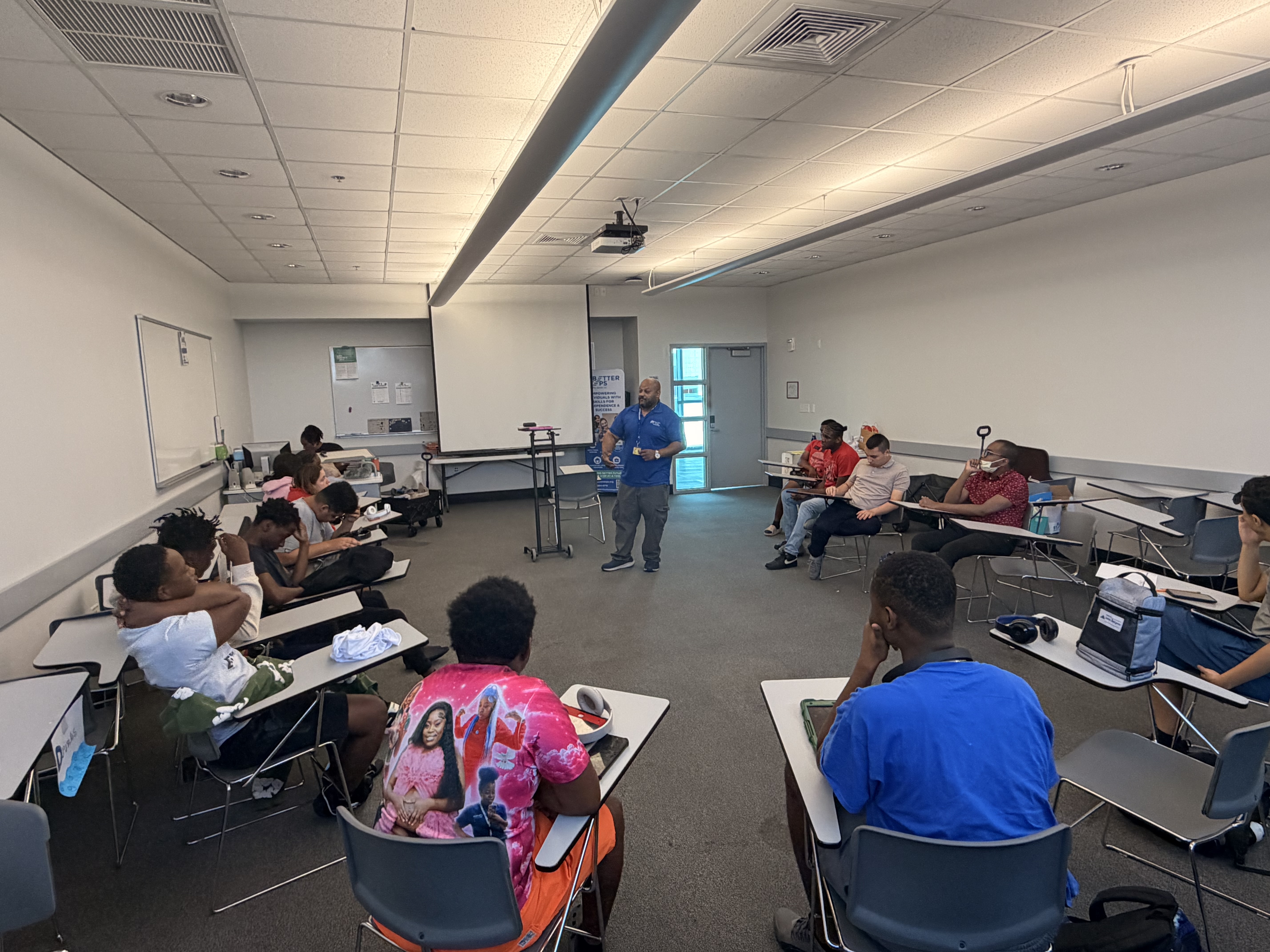
How Better Steps Bridges the Transition Gap
Better Steps works extensively with neurodiverse students who have IEPs or 504 Plans. Here's how we specifically help:
During High School Years (Pre-ETS Services)
We Provide Transition Services Referenced in the IEP
Your child's IEP likely mentions transition services needed. Better Steps is often the provider of those services. We deliver:
Career exploration counseling
Workplace readiness training
Self-advocacy instruction
Counseling on postsecondary options
Life skills instruction
We Coordinate With School Transition Planning
We don't work in isolation. We coordinate with your school's transition coordinator, incorporate IEP goals into our services, and ensure consistency between school and community-based services.
We Connect to Vocational Rehabilitation
The IEP mentions VR (vocational rehabilitation) services. We help facilitate that connection. Many of our participants are referred through Florida VR, ensuring funding for services.
We Develop Skills Beyond Academics
While school focuses on academics (math, reading, etc.), we focus on life skills needed for adult success:
Employment skills (soft skills, job coaching, work experience)
Independent living skills (financial literacy, community navigation, health management)
Self-advocacy (understanding disability, requesting accommodations)
Social and emotional skills
At Graduation/Transition to Adult Services
We Facilitate the Transition
Graduation isn't the end of support—it's a transition to different supports. We help:
Identify what adult services are needed
Connect to adult vocational rehabilitation services
Link to employment support services
Access community resources
Develop documentation of needs for adult planning
We Provide Continuity
Unlike school, which ends at graduation, Better Steps can continue providing services to adult clients. This continuity is crucial. Your child doesn't suddenly lose support at graduation.
We Help Navigate Adult Systems
Adult services are fragmented and confusing. We help navigate:
Supported employment services
Community rehabilitation programs
Agency for Persons with Disabilities services
Other community resources
Post-Secondary (Adult Years)
We Provide Employment Support
For clients pursuing employment, we continue providing:
Job coaching
Workplace support
Employer consultation
Employment retention support
We Support Independent Living Goals
Whatever independent living goals were identified, we continue supporting skill development and application.
What Parents Need to Know About IEPs/504 Plans and Transition
1. Transition Planning Starts at Age 14
By age 14, your child's IEP must include transition planning. Don't wait until junior year—start thinking about post-secondary goals at age 14 or earlier.
2. The IEP Should Be Specific, Not Vague
Vague goals like "develop life skills" aren't helpful. Good transition goals are specific: "Develop workplace communication skills through work-based learning," "Improve time management and organization through employment experience," "Learn financial literacy through practical application."
3. Work-Based Learning Should Be in the IEP
For students with employment post-secondary goals, work-based learning experiences should be explicitly mentioned in the IEP. This ensures the school provides or coordinates these essential experiences.
4. Services Should Address Post-Secondary Goals
Every service mentioned in the IEP should connect to post-secondary goals. If the goal is employment, services should include career exploration, workplace readiness, work-based learning, and self-advocacy.
5. Coordinate With Vocational Rehabilitation Early
VR (vocational rehabilitation) is mentioned in many IEPs but families don't always understand what it is. Begin coordinating with your local VR office by age 14-15. Pre-ETS services can begin immediately.
6. Request What Your Child Needs
IEPs are documents you shape. If you believe your child needs specific services, request them. Bring documentation of need. Advocate clearly.
7. Understand Your Rights
You have significant rights in IEP/504 Plan meetings. You can:
Request evaluations
Request additional services
Disagree with school recommendations
Request outside evaluation
Bring advocates to meetings
Ask for time to consider recommendations
8. Plan Early for the Transition
Don't wait until graduation to figure out adult services. Begin by age 16 identifying:
What post-secondary services are available
How to access them
What your child will need
How to ensure continuity
How to Advocate Effectively in IEP/504 Plan Meetings
Before the Meeting:
Review your child's current plan
Note concerns or questions
Prepare documentation of any struggles
Think about what you want to see change
Bring an advocate or trusted friend if helpful
During the Meeting:
Clearly state your concerns
Ask specific questions
Request specific services if needed
Don't agree to things you don't understand
Ask for time to consider recommendations if needed
Take notes on what's discussed and decided
Request copies of everything
After the Meeting:
Review the final IEP/504 Plan document
Ask for clarification on anything unclear
If you disagree with decisions, know you can request another meeting or pursue due process
Keep copies of all documents
Questions to Ask in IEP Meetings (Age 14+)
When transition planning is discussed, ask:
"Are the post-secondary goals realistic and based on my child's interests and abilities?"
"What specific transition services will help my child meet these goals?"
"Will my child have work-based learning experiences? If so, when and where?"
"How does my child's IEP connect to vocational rehabilitation services?"
"Who will provide career exploration and workplace readiness training?"
"How will my child develop self-advocacy skills?"
"What is the plan for ensuring continuity of services after graduation?"
"How will we measure progress toward post-secondary goals?"
"What community services are we connecting to?" (VR, employment services, etc.)
"What happens when my child graduates? How do adult services connect to school services?"
The Role of Better Steps in Your Child's IEP
If Better Steps is involved in your child's transition:
Better Steps Can:
Implement transition services identified in the IEP
Provide job exploration, workplace readiness, work-based learning
Teach self-advocacy skills
Coordinate with school transition planning
Work with vocational rehabilitation
Ensure continuity through graduation
You Should:
Understand what services Better Steps is providing
Attend transition planning meetings
Communicate with Better Steps staff regularly
Ensure Better Steps services align with IEP goals
Plan early for continuity after graduation
Common Mistakes Parents Make With Transition Planning
Mistake #1: Not Starting Early Enough
Starting transition planning at graduation is too late. Start by age 14-15 so services have time to develop skills and explore options.
Mistake #2: Letting School Drive the Plan Alone
You know your child best. Your vision for their future matters. Don't just accept school recommendations—actively shape the plan.
Mistake #3: Accepting Vague Goals
"Develop life skills" isn't specific enough. What specific skills? For what purpose? How will success be measured? Push for specific goals.
Mistake #4: Forgetting About Adult Services
The IEP ends at graduation, but your child's needs continue. By age 18-20, you should be identifying and connecting to adult services (VR, employment support, community resources).
Mistake #5: Not Coordinating Services
If your child has school services AND community services (like Better Steps), these should coordinate. They're stronger together than separate.
Mistake #6: Underestimating Your Child's Potential
Lowered expectations are common for neurodiverse students. Push for challenging but achievable goals. Many neurodiverse individuals achieve far more than anyone expected.
Mistake #7: Losing Connection at Graduation
Graduation shouldn't mean losing all support. Plan for continuity—identify adult services and ensure your child maintains support after school.
Your Action Plan
If Your Child Has an IEP:
By Age 14:
Review transition section of IEP
Identify post-secondary goals (employment, education, independent living)
Ensure transition services are adequate
Contact local vocational rehabilitation office
Ask about Pre-ETS services and Better Steps
By Age 16:
Verify work-based learning is happening
Monitor progress on IEP transition goals
Begin identifying adult services
Strengthen self-advocacy skills
Develop understanding of what services will be available post-graduation
By Age 18-20:
Finalize post-secondary plan
Connect formally to vocational rehabilitation and adult services
Ensure continuity planning is happening
Prepare for graduation and transition to adult services
By Graduation:
Adult services should be in place
Transition should be planned and coordinated
Your child should have skills and connections to support post-secondary success
If Your Child Has a 504 Plan:
Ensure accommodations address your child's actual needs
Update plan annually
When your child reaches transition age, advocate for additional services through IEP or VR
Don't assume 504 Plan accommodations will transfer to college or employment—you'll need to request accommodations in adult settings
Getting Started With Better Steps
If you're a parent of a neurodiverse student and want to ensure strong transition planning and services:
Contact your school's transition coordinator and ask about transition services and Pre-ETS
Contact your local Florida VR office and inquire about vocational rehabilitation eligibility and Pre-ETS services
Contact Better Steps and ask how we can support your child's transition planning and goals
Advocate for specific, measurable transition goals in your child's IEP
Ensure work-based learning is part of your child's high school experience
Plan early for adult services rather than waiting until graduation
The Bottom Line
IEPs and 504 Plans are crucial documents that provide legal protections and ensure your neurodiverse child receives needed support and accommodations. But they're only part of the story. Equally important is transition planning—preparing your child for success as an adult.
Better Steps bridges the gap between school-based services and adult services. We provide the transition services your IEP identifies. We ensure your child develops the skills needed for post-secondary success. We facilitate the transition from school to adult vocational rehabilitation services. We provide continuity beyond graduation.
Your child's neurotype isn't a disability in the sense of being "broken" or "less than." It's a different way of thinking, learning, and being. The right accommodations, instruction, and support help your neurodiverse child build on strengths and address challenges. The right transition planning helps them move into adult success.
That's what IEPs/504 Plans, combined with quality transition services from providers like Better Steps, make possible.
Your child's post-secondary success doesn't happen by accident. It happens through intentional planning, quality services, and effective transition support.
Better Steps is here to make that happen.

Our Vision
A world where physical, intellectual, and developmental challenges don't limit our human potential in areas of self-reliance, growth, and influence.
Our Mission
At Better Steps Life Skills Center, our mission is to help and empower members of our community who experience physical, developmental, and intellectual challenges to enhance essential life skills and live more independently.

Licensure and Trainings
● HIPAA
● CPR
● Home Health Aide
● Home-making and Companion License
Our Vision
A world where physical, intellectual, and developmental challenges don't limit our human potential in areas of self-reliance, growth, and influence.
Our Mission
At Better Steps Life Skills Center, our mission is to help and empower members of our community who experience physical, developmental, and intellectual challenges to enhance essential life skills and live more independently.
Licensure and Trainings
● HIPAA
● CPR
● Home Health Aide
● Home-making and Companion License
GET IN TOUCH
We love to connect with you!
What is Better Steps Life Skills Center?
Better Steps Life Skills Center, Inc. is a Florida-based organization dedicated to empowering individuals with disabilities by providing life skills training, personal support services, and community-based programs that promote independence, confidence, and long-term success.
Who do you support at Better Steps Life Skills Center?
We support youth, and adults with intellectual, developmental, and physical disabilities. Our services are designed to meet individuals where they are and help them grow at their own pace toward greater independence and self-sufficiency.
What services does Better Steps Life Skills Center offer?
Better Steps Life Skills Center Inc. offers a wide range of Vocational Rehabilitation (VR)–authorized training and support services. Our programs are designed to help participants build confidence, gain real-world experience, and move toward greater independence.
Do you offer programs for students and young adults?
Yes. We offer structured programs such as career readiness training and summer career camps designed for students with IEPs or 504 Plans. These programs focus on workplace skills, self-advocacy, communication, and real-world experience.
What is life skills training and why is it important?
Life skills training helps individuals develop practical abilities needed for everyday life, such as communication, decision-making, time management, self-care, and social skills. These skills are essential for independent living, employment success, and community participation.
How do I get started with Better Steps Life Skills Center services?
Getting started is simple. You can contact our team through our website or by phone to discuss your needs. We’ll guide you through available services, eligibility, and next steps to ensure the right support plan is in place.
Where are your services available?
Better Steps Life Skills Center is based in Florida, with services available in Miami and surrounding areas. We also work with families, schools, and community partners across the state to expand access to meaningful support.
COMPANY
CUSTOMER CARE
LEGAL
Stay Updated with Better Steps!
Get seasonal camp updates, career resources, and youth empowerment insights straight to your inbox.
Copyright 2026. Better Steps Life Skills Center. All Rights Reserved.


Stay Updated with Better Steps!
Get seasonal camp updates, career resources, and youth empowerment insights straight to your inbox.
COMPANY
CUSTOMER CARE
LEGAL
Copyright 2026. Better Steps Life Skills Center. All Rights Reserved.
Copyright 2026. Better Steps Life Skills Center. All Rights Reserved.
COMPANY
LEGAL
CUSTOMER CARE
Copyright 2026. Better Steps Life Skills Center. All Rights Reserved.
Copyright 2026. Better Steps Life Skills Center. All Rights Reserved.
GET IN TOUCH
We love to connect with you!
What is Better Steps Life Skills Center?
Better Steps Life Skills Center, Inc. is a Florida-based organization dedicated to empowering individuals with disabilities by providing life skills training, personal support services, and community-based programs that promote independence, confidence, and long-term success.
Who do you support at Better Steps Life Skills Center?
We support youth, and adults with intellectual, developmental, and physical disabilities. Our services are designed to meet individuals where they are and help them grow at their own pace toward greater independence and self-sufficiency.
What services does Better Steps Life Skills Center offer?
Better Steps Life Skills Center Inc. offers a wide range of Vocational Rehabilitation (VR)–authorized training and support services. Our programs are designed to help participants build confidence, gain real-world experience, and move toward greater independence.
Do you offer programs for students and young adults?
Yes. We offer structured programs such as career readiness training and summer career camps designed for students with IEPs or 504 Plans. These programs focus on workplace skills, self-advocacy, communication, and real-world experience.
What is life skills training and why is it important?
Life skills training helps individuals develop practical abilities needed for everyday life, such as communication, decision-making, time management, self-care, and social skills. These skills are essential for independent living, employment success, and community participation.
How do I get started with Better Steps Life Skills Center services?
Getting started is simple. You can contact our team through our website or by phone to discuss your needs. We’ll guide you through available services, eligibility, and next steps to ensure the right support plan is in place.
Where are your services available?
Better Steps Life Skills Center is based in Florida, with services available in Miami and surrounding areas. We also work with families, schools, and community partners across the state to expand access to meaningful support.
COMPANY
CUSTOMER CARE
LEGAL
FOLLOW US
Copyright 2026. Better Steps Life Skills Center. All Rights Reserved.