

Building Independence for Individuals
With Disabilities Across Florida
Compassionate care and life skills programs that empower
children, teens, and adults to live with dignity and confidence.
Our Affiliations

Building Independence for Individuals
With Disabilities Across Florida
Compassionate care and life skills programs that empower
children, teens, and adults to live with dignity and confidence.
Our Affiliations
500+
Individuals gained independence
10+Years
Healthcare and non-profit leadership experiences
ABOUT US
We Create Brighter Futures for Every Ability
At Better Steps Life Skills Center, we provide compassionate disability support services in Miami and across Florida.
Since 2014, we partnered with families to help individuals with developmental and intellectual disabilities gain essential life skills, greater independence, and stronger community connections.
We are more than a service provider — we are a community that walks alongside every unique journey, creating brighter futures for people of all abilities.
500+
Individuals gained independence
10+Years
Healthcare and leadership experiences
ABOUT US
We Create Brighter Futures for Every Ability
At Better Steps Life Skills Center, we provide compassionate disability support services in Miami and across Florida.
Since 2014, we help individuals with developmental and intellectual disabilities gain essential life skills, greater independence, and stronger community connections.
We are more than a service provider — we are a community that walks alongside every unique journey, creating brighter futures for people of all abilities.
OUR SERVICES
Empowering Independence through Tailored Support
As a VR-authorized provider, we offer specialized training and employment programs designed to build confidence, gain real-world experience, and foster long-term independence.
Employment Readiness: From job prep to long-term supportive employment.
On-the-Job Training: Hands-on, work-based learning in real environments.
Life Skills & Advocacy: Developing the self-reliance needed for daily success.
Youth Transition: Career camps and services for students (ages 14–21).
Personal Support: Reliable transportation and individualized assistance.
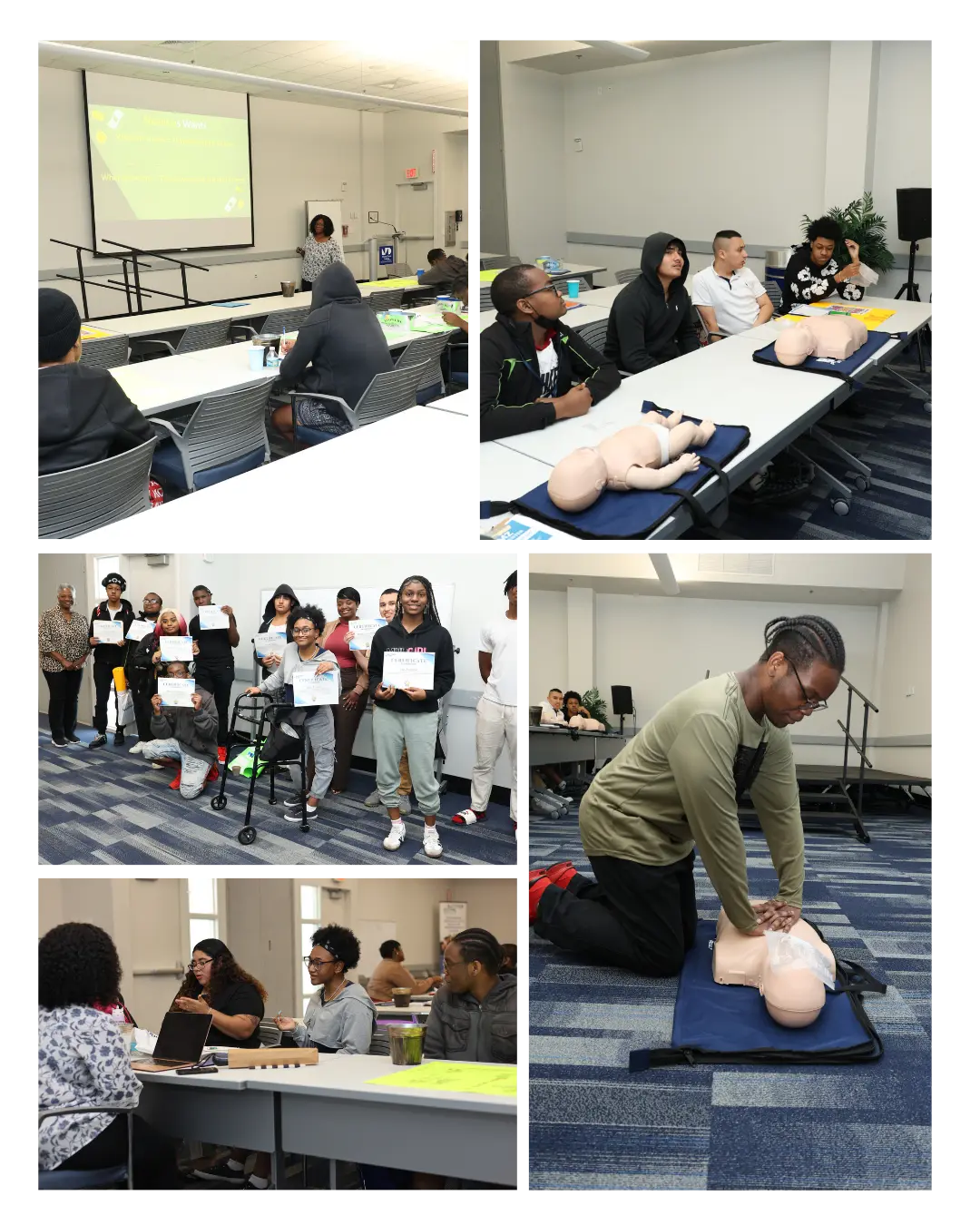
OUR SERVICES
Life-enhancing support tailored to every individual’s unique journey
We offer a comprehensive range of Vocational Rehabilitation (VR)–authorized training, employment, and support services designed to help participants build confidence,
gain real-world experience, and move toward greater independence.
Our services focus on skill development, career preparation, employment support, and individualized guidance tailored to each participant’s goals.
Employment Readiness: From job prep to long-term supportive employment.
On-the-Job Training: Hands-on, work-based learning in real environments.
Life Skills & Advocacy: Developing the self-reliance needed for daily success.
Youth Transition: Career camps and services for students (ages 14–21).
Personal Support: Reliable transportation and individualized assistance.
MEET THE FOUNDER
The Vision Behind Better Steps
Hello, I'm Dominiece Cox
As the founder of Better Steps, my mission is to empower individuals with special needs through life skills training, vocational development, and meaningful community engagement.
With over a decade of leadership in healthcare, I’ve had the privilege of helping more than 500 individuals gain independence through tailored employment and supportive services.
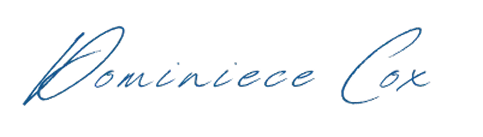

“Where growth meets guidance. Providing supported services across Florida.”
MEET THE FOUNDER
Leading with Purpose, Passion, and Heart

Hello, I'm Dominiece Cox
As the founder of Better Steps, my mission is to empower individuals with special needs through life skills training, vocational development, and meaningful community engagement.
With over a decade of leadership in healthcare, I’ve had the privilege of helping more than 500 individuals gain independence through tailored employment and supportive services.
“Where growth meets guidance supported services in all of Florida”
EVENTS & COMMUNITY
Join Our Inclusive Community
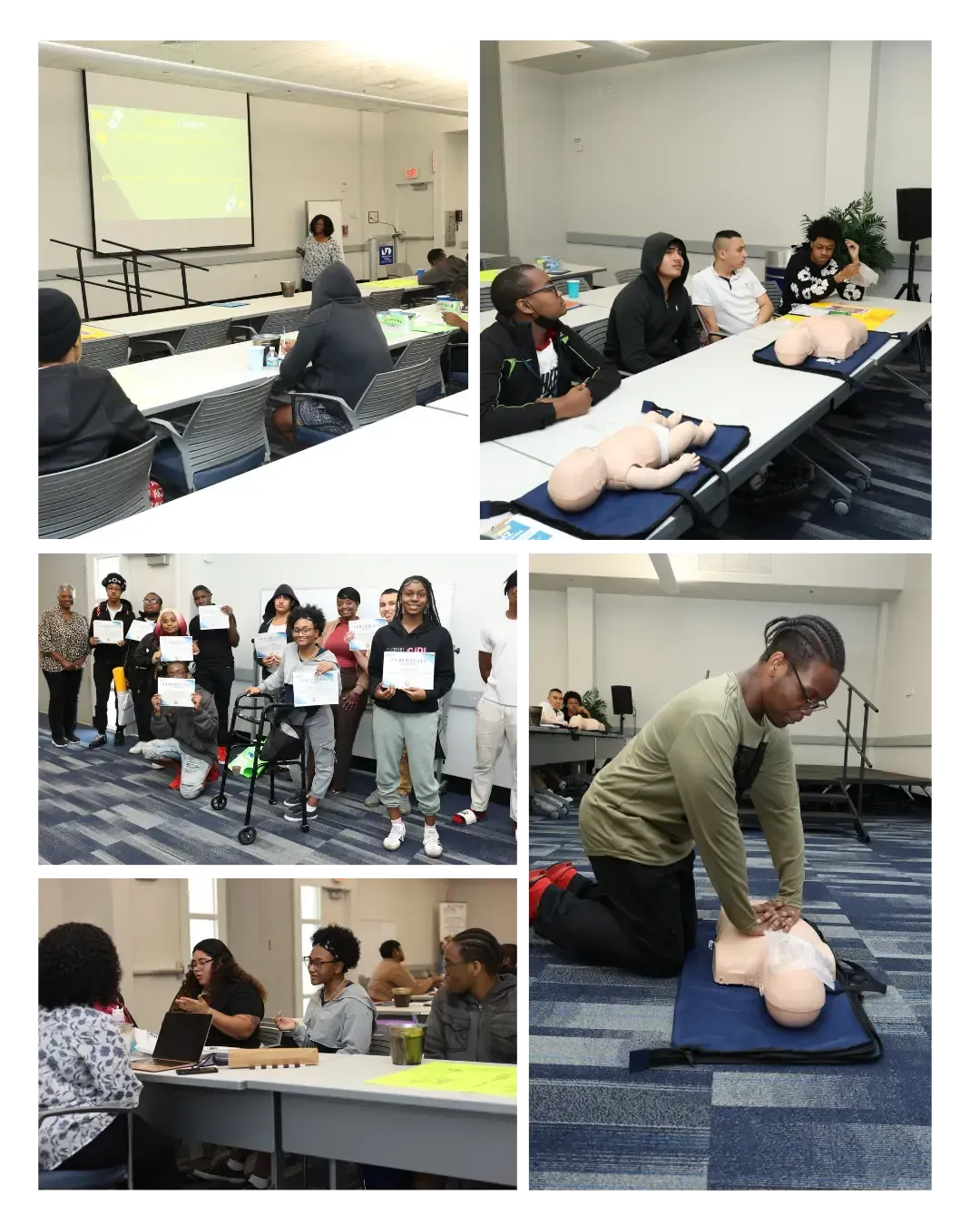
At Better Steps Life Skills Center, we believe that growth and happiness come from connection. Our community events, family workshops, and social programs are open to everyone — providing a welcoming space to learn, share, and celebrate every ability.
Each event offers opportunities to build friendships, gain new skills, and access valuable resources for individuals and families. Together, we create a stronger, more inclusive community — one step, one smile, one event at a time.
Unlock new career possibilities this 2026!



EVENTS & COMMUNITY
Join Our Events and Be Part of an Inclusive Community
At Better Steps Life Skills Center, we believe that growth and happiness come from connection. Our community events, family workshops, and social programs are open to everyone — providing a welcoming space to learn, share, and celebrate every ability.
Each event offers opportunities to build friendships, gain new skills, and access valuable resources for individuals and families. Together, we create a stronger, more inclusive community — one step, one smile, one event at a time.
Unlock new career possibilities this 2026!
TESTIMONIALS
How We’ve Helped People Like You
"This camp truly helped me grow.I joined Season 4 of Better Steps Life Skills Camp, and it became such a meaningful experience for me. I learned practical lessons like budgeting and saving, but the most important thing I discovered was how to communicate with others. Before the camp, I didn’t like to talk at all — I was very shy and often kept to myself. Through the activities and encouragement from the staff and my peers, I slowly found my voice. Now I feel more confident in speaking up and sharing my thoughts. This camp truly helped me grow, and I would love to join again in the upcoming Career Camp with Better Steps Life Skills."
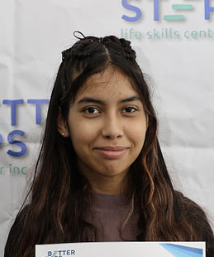
"It helped me take the first steps toward my future. At camp, I learned the importance of connecting with people. I had the chance to interact with new friends, build relationships, and work as part of a team. Before, I often felt nervous about making friends, but the camp showed me how much easier it can be when you share activities and goals together. I also began to understand what type of career I might want to pursue. This program gave me confidence and helped me take the first steps toward my future."
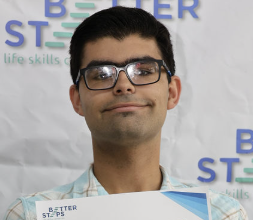
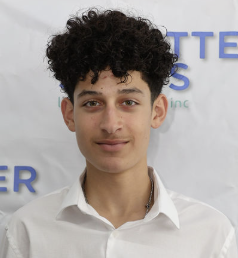
"I'm very thankful for everything. I have been part of the Life Skills Camp from Season 1 through Season 4, and every year has given me something new and valuable. I learned how to start a business and what it really takes to be an entrepreneur. I gained important business skills that I know I will use in the future. One of the biggest lessons I took away was about self-advocacy. Speaking up for myself was never easy, but the camp gave me the tools and confidence to do it. The most powerful thing I learned was discovering the career path I want to follow. That knowledge gave me direction and hope for my future. I am truly thankful for everything Better Steps has given me, and I would love to continue joining more camps."
LATEST BLOGS
Our Latest Articles and News

What Are Pre-Employment Transition Services (Pre-ETS) and Why Are They Essential for Students with Disabilities
The moment is fast approaching. For many students with disabilities, high school is coming to an end, and with it, a structured support system they've relied on since childhood. Teachers, counselors, special education staff, and familiar routines have provided a container for learning and growth. But beyond the schoolhouse doors lies a different world—one with different expectations, different supports, and different challenges.
This transition from school to employment or post-secondary education is one of the most critical junctures in a young person's life, regardless of disability status. But for students with disabilities, the stakes are particularly high. The difference between a well-supported transition and an unsupported one can literally determine whether someone achieves independent, meaningful employment or faces years of unemployment, underemployment, or continued dependence on family support.
Pre-Employment Transition Services (Pre-ETS) are activities that provide an early start at job exploration for students with disabilities ages 14-21 to assist with transitioning from school to postsecondary education or employment. These services are life-changing—not just for the individual students, but for families and communities. At Better Steps Life Skills Center in Florida, we've witnessed countless young adults with disabilities transform from uncertain about their futures to confidently pursuing meaningful careers and independent living.
But what exactly are Pre-ETS, why are they so important, and how can Better Steps help bridge the critical gap between school and adult employment? Let's explore.
Understanding Pre-ETS: What It Is and What It Isn't
Pre-Employment Transition Services often get confused with other disability-related programs, so let's start with clarity. Pre-ETS are five services designed to provide early support to students with disabilities and improve post-secondary outcomes. These services are available free of charge to eligible or potentially eligible students and help students build the skills and confidence needed to transition from school to further education, training, or employment.
The five core Pre-ETS service areas are:
1. Job Exploration Counseling. Job exploration counseling helps students understand career options, labor market information, and the steps needed to enter various careers. This isn't about convincing a student to pursue a specific career path. Instead, it's about expanding awareness of possibilities, understanding what different jobs actually involve day-to-day, and discovering which careers might align with a student's interests, abilities, and values.
Many students with disabilities have limited exposure to diverse career options. They might not know about jobs that could be adapted to their abilities, or they might hold narrow views of what "disabled people can do" based on limited examples. Job exploration counseling systematically addresses this by exposing students to various career paths, helping them understand educational and skill requirements, and discussing how accommodations or adaptations might support success in different roles.
2. Work-Based Learning Experiences: Work-based learning involves facilitated paid internships along with college and employer tours for over 500 youth, offering merit-based, paid internship opportunities in which students can apply and earn money while gaining real experience. This is where theory becomes practice. Rather than simply talking about what work is like, students actually experience it.
Work-based learning might include paid internships, job shadowing, informational interviews, or collaborative projects with local employers. The goal is to help students understand what employment actually feels like, develop real-world skills, test their interests in actual work settings, and build confidence based on genuine work experience rather than imagination.
3. Workplace Readiness Training: Workplace readiness training helps students with disabilities develop social and independent living skills. These include communication, financial literacy, transportation and community navigation, job seeking, and understanding what employers expect. Students will learn about being on time and performing well at work.
This addresses the practical, social, and interpersonal skills that employers expect. Some students with disabilities receive academic instruction but limited guidance on professional norms—things like appropriate workplace communication, how to approach a supervisor with questions, how to handle mistakes, how to dress professionally, and why showing up on time matters. These "soft skills" are often the difference between employment success and failure, yet they're rarely taught explicitly.
4. Instruction in Self-Advocacy: Instruction in self-advocacy helps students learn about their rights and responsibilities. This Pre-ETS category is focused on empowering students to communicate their thoughts, concerns, and needs, and disclose their disability. Self-advocacy is perhaps the most empowering Pre-ETS service.
Throughout school, many accommodations and supports are provided to students with disabilities. In post-secondary education and employment, the responsibility shifts dramatically. Now, the student must understand their own needs, communicate these needs to others, and advocate for accommodations. A student who relied on a teacher to provide extended test time must learn to request accommodations from college professors or a potential employer.
Instruction in self-advocacy helps students understand their rights under disability law, know how and when to disclose their disability, communicate their needs effectively, and request accommodations respectfully. This skill is foundational to success in employment and higher education because it transforms students from passive recipients of support to active agents in their own success.
5. Counseling on Postsecondary Programs Counseling on postsecondary programs provides students with an opportunity to learn more about the postsecondary settings, programs, requirements, and the skills necessary to be successful in these settings. This may include information about universities, community colleges, comprehensive transition programs, trade/technical schools, military, and postsecondary programs for students with intellectual and developmental disabilities.
Not every student will pursue traditional four-year college degrees. Some will attend community college, others trade schools, and some will pursue employment directly. Counseling on postsecondary options helps students understand the different pathways available, requirements for each, and how to determine which path aligns with their goals and abilities.
Why Pre-ETS Matters: The Critical Transition Period
To understand why Pre-ETS is essential, it helps to recognize what happens without it. In many cases, students with disabilities leave high school with limited employment prospects. Nationally, employment rates for young adults with disabilities are significantly lower than their non-disabled peers—in many states, fewer than 40% of young adults with disabilities are employed after exiting school.
This gap isn't because students with disabilities can't work. Research consistently shows that with appropriate support, training, and accommodations, individuals with disabilities can perform successfully in virtually any employment setting. The gap exists because the transition from school to work is under-supported, and many students reach adulthood without the specific skills, confidence, and connections necessary to secure meaningful employment.
Consider what happens in this scenario without Pre-ETS support:
A 17-year-old with an intellectual disability receives good support in school. Teachers provide clear instructions, accommodations, and structure. But what happens after graduation? If there's no Pre-ETS to help them explore jobs, practice work skills, build employer connections, or learn self-advocacy, they're suddenly in a gap. Their family might not know how to help them access employment. Employers might not know how to work with someone with their disability. The student might lack the confidence and skills to navigate workplace expectations.
The result? Too often, the student remains unemployed or underemployed, and over time, expectations diminish. The potential that was evident in school goes unrealized. The opportunity to contribute, earn income, and achieve independence slips away.
Pre-ETS changes this trajectory by providing systematic, evidence-based preparation during the critical years of transition.
The Devastating Cost of Inadequate Transition Support
The consequences of inadequate transition services extend far beyond individual lives. There are profound financial and social costs.
Financial Costs: When young adults with disabilities don't transition to employment, they often depend on public benefits for lifetime support. The cost to society of lifetime benefit dependence far exceeds the investment in Pre-ETS services. Additionally, every employed individual with a disability is contributing to the economy through taxes, earnings, and spending rather than drawing on public resources.
Families often struggle significantly during transition years. Parents who've been providing support while the student was in school must suddenly determine how to support an adult child without school-provided services. Some families are able to navigate this; many struggle significantly, facing stress, financial burden, and uncertainty about their child's future.
Employment Gaps: Young adults with disabilities who don't secure employment during their transition years often face longer unemployment periods even when they do eventually seek work. Employers prefer recent work experience. Gaps in employment history create barriers to hiring. The longer someone is unemployed after leaving school, the more difficult re-entry becomes.
Identity and Self-Worth: Employment is about far more than income. Work provides identity, purpose, contribution, and social connection. Young adults with disabilities who don't achieve employment often experience lower self-esteem, reduced social inclusion, and depression. The psychological and social costs of unemployment cannot be overstated.
Family Impact: Parents of young adults with disabilities face enormous stress during transition years. Worry about their child's future, uncertainty about services and supports, responsibility for ongoing care and assistance—these pressures can damage parental health and strain family relationships.
Pre-ETS services address all of these challenges by supporting successful employment transition, which generates benefits that ripple far beyond the individual student.
How Pre-ETS Supports Success
Let's walk through how Pre-ETS systematically supports the transition to employment:
Age 14-15: Early Exploration. A student begins exploring diverse career options, participating in work-based learning, and developing foundational workplace readiness skills. They're building awareness of possibilities while still in school, with time to explore multiple options before needing to make final decisions.
Age 16-17: Focused Development. Based on their exploration, students focus on developing skills relevant to their identified career interests. They might participate in more targeted work experiences, continue developing workplace readiness skills, and begin learning self-advocacy for their specific employment situation.
Age 18-21: Intensive Preparation. As graduation approaches, Pre-ETS intensifies support for the transition. Students participate in paid work experiences in their career areas of interest, develop advanced job-seeking skills, practice self-advocacy in real employment settings, and prepare for the actual transition to post-secondary education or employment.
This multi-year, systematic approach stands in stark contrast to the abrupt end of services that happens without Pre-ETS. With Pre-ETS, the transition is gradual, supported, and intentional rather than sudden and chaotic.
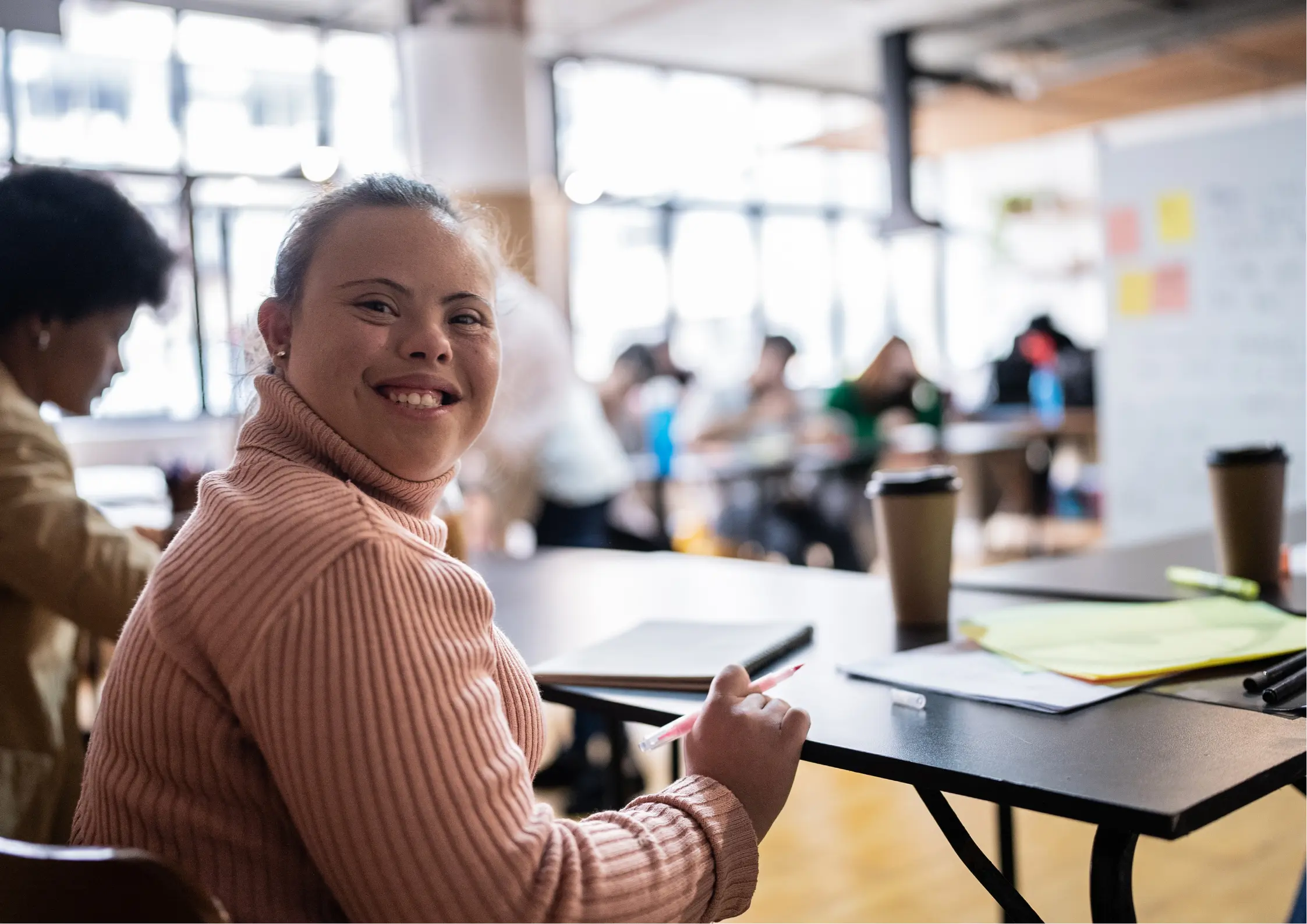
The Five Key Benefits of Pre-ETS
1. Confidence Built on Real Experience. Many students with disabilities doubt whether they can actually work. They've been told "no" so many times—"you can't do that," "that's not realistic," "you'll never be able to"—that they've internalized limiting beliefs about their own capacity. Pre-ETS provides real work experience that counteracts these beliefs. When a student with autism works their first job successfully, when a student with cerebral palsy earns their first paycheck, when a student with intellectual disability completes a work assignment, their confidence transforms. Suddenly, employment shifts from "impossible dream" to "achievable goal."
2. Skills Development in Real Context: Learning workplace skills in a classroom is helpful, but practicing them in actual work settings is transformative. A student might learn about being on time in a workshop, but the real learning happens when they successfully manage transportation to work and arrive consistently. They might practice communication skills in role-plays, but the genuine growth happens when they actually communicate with a supervisor about an issue that arose.
3. Employer Connections and Advocacy: Pre-ETS providers build relationships with local employers. These connections are invaluable. Employers learn that people with disabilities can perform well. They develop understanding of accommodations and supports that enable success. They see firsthand that hiring someone with a disability is not the burden they might have feared. These relationships create pipelines to actual employment. When a student in Pre-ETS completes an internship successfully, that employer is far more likely to hire them for a permanent position or recommend them to others.
4. Self-Advocacy Skills for Lifetime Success. The self-advocacy skills developed in Pre-ETS create lifelong benefits. A student who learns to advocate for themselves in employment settings can apply these same skills in post-secondary education, healthcare, housing, and all future employment. This skill quite literally opens doors throughout their life.
5. Informed Decision-Making About Future Paths: Students who participate in comprehensive Pre-ETS have actual information about their interests, abilities, and what different careers involve. They're not making decisions about their futures based on vague hopes or others' expectations. They've explored, experienced, and reflected. Their decisions about whether to pursue employment directly, attend college, or follow another path are informed, which significantly increases the likelihood of success.
The Better Steps Approach to Pre-ETS
At Better Steps Life Skills Center in Florida, we've developed a comprehensive Pre-ETS program that honors both the legal requirements of Pre-ETS and the real-world needs of students with disabilities and their families. Here's what makes our approach distinctive:
Individualized Career Exploration: We don't assume all students with a particular disability should pursue the same types of jobs. A student with intellectual disability might excel in customer-facing work, while another prefers technical work. Our job exploration counseling is highly individualized, helping each student discover their unique interests and capacities.
Diverse Work-Based Learning: We've built relationships with numerous local employers across various industries. This allows us to match students with work experiences that genuinely interest them and align with their career goals. Our work-based learning isn't just about any job—it's about finding the right opportunities that build toward meaningful employment.
Comprehensive Workplace Readiness: Our workplace readiness training addresses not just generic "soft skills" but the specific skills needed in the industries and positions students are pursuing. A student heading toward retail work needs different preparation than one pursuing food service or office work. We customize training to be relevant and immediately applicable.
Robust Self-Advocacy Instruction: We invest heavily in self-advocacy because we understand its lifelong impact. Through our instruction, students learn about disability rights, develop comfort disclosing their disability, practice requesting accommodations, and build confidence in advocating for themselves. This instruction continues throughout their participation in Pre-ETS.
Counseling on Multiple Pathways: We recognize that students have different post-secondary goals. Some want to work directly. Some want to attend college. Some are interested in trade school. We provide comprehensive information about these options, supporting students in making informed decisions aligned with their individual goals and circumstances.
Family Engagement: We involve families throughout the Pre-ETS process. Parents and guardians are updated regularly on their student's progress, participate in goal-setting, and receive education about transition planning and post-secondary options. We recognize that family support is crucial for successful transition.
Connection to Adult Services: Pre-ETS is only the beginning. At Better Steps, we help facilitate connections to adult vocational rehabilitation services, employment agencies, and other post-secondary support services. Our goal is a seamless transition from school-based to adult-based supports.
Mental Health and Emotional Support: We recognize that the transition to employment can feel overwhelming and anxiety-inducing for students with disabilities. Throughout Pre-ETS, we address emotional responses to transition, build resilience, and provide mental health support as needed.
Addressing Common Pre-ETS Questions
Q: What if my student doesn't have a specific career goal yet? This is normal. Pre-ETS begins with exploration, not predetermined career paths. Students work with counselors to explore interests, abilities, and possibilities. Goals often become clearer through the exploration and work experience process.
Q: Does Pre-ETS guarantee employment? While Pre-ETS dramatically increases the likelihood of employment, it doesn't guarantee it. Some students face significant barriers, and employment outcomes depend partly on factors beyond Pre-ETS (labor market conditions, specific support needs, family circumstances). However, Pre-ETS provides the best foundation and preparation for success.
Q: What if my student has multiple disabilities or very significant support needs?Pre-ETS is designed for students with all types of disabilities and support needs. Some students might require more intensive support, but meaningful employment is possible across the disability spectrum. Our job is to identify the right types of work and necessary supports, not to exclude anyone based on disability severity.
Q: How do I access Pre-ETS for my student?Pre-ETS is typically funded through vocational rehabilitation. Contact your state's vocational rehabilitation agency to inquire about Pre-ETS eligibility and referral. Better Steps Life Skills Center can provide information about how to connect with Pre-ETS services in Florida.
Q: Is Pre-ETS only for students in traditional high school?No. Pre-ETS is available to students ages 14-21, regardless of what type of educational setting they're in. This includes traditional high schools, special education programs, alternative schools, and other educational settings.
The Long-Term Impact of Pre-ETS
The benefits of Pre-ETS extend far beyond the immediate transition years. Students who participate in comprehensive Pre-ETS are more likely to:
Achieve competitive, integrated employment
Earn higher wages
Work in positions aligned with their interests and abilities
Experience greater job satisfaction and retention
Develop stronger self-advocacy skills that benefit them across all life domains
Experience improved mental health and self-esteem
Achieve greater independence in daily living
Contribute to their families and communities
Live more fulfilling, self-directed lives
These long-term benefits represent not just individual success but profound social and economic value. Every young person with a disability who transitions to meaningful employment rather than lifetime benefit dependence represents improved life quality, reduced public cost, and increased community contribution.
Your Role in Supporting Pre-ETS Success
If you're a parent, guardian, educator, or disability professional, you play a crucial role in supporting Pre-ETS success:
Educators: Encourage students with disabilities to engage fully in Pre-ETS. Provide information about their strengths and support needs. Facilitate connections between Pre-ETS providers and your students.
Parents and Guardians: Actively engage in your student's Pre-ETS planning and participation. Ask questions about their exploration and experiences. Support them in trying new things. Help them build confidence based on their real experiences. Communicate your expectations that employment is possible and your belief in their capacity.
Employers: Consider hiring Pre-ETS graduates. Work with Pre-ETS providers on internship placements. You'll discover that employees with disabilities are capable, motivated, and valuable.
Community Members: Support businesses and organizations that hire people with disabilities. Change the narrative around disability and employment by recognizing and celebrating employed individuals with disabilities in your community.
Better Steps: Committed to Successful Transition
The years between age 14 and 21 are critical. During this time, the foundation is laid for adult employment, independence, and quality of life. Pre-Employment Transition Services represent an evidence-based, systematic approach to ensuring young people with disabilities have the skills, confidence, connections, and support they need to transition successfully to meaningful employment.
At Better Steps Life Skills Center in Florida, we're committed to providing comprehensive Pre-ETS that honors the potential within every student with a disability. We believe that employment is possible for individuals across the entire disability spectrum. We believe that the right preparation, support, and opportunities can transform lives. We believe that every young person with a disability deserves the chance to discover their capabilities, develop real skills, and transition to meaningful work.
If you're a student with a disability approaching the transition to adulthood, or a parent of such a student, don't leave this critical transition period to chance. Seek out comprehensive Pre-ETS services. Engage fully in job exploration, work-based learning, workplace readiness training, self-advocacy instruction, and counseling on post-secondary options. The investment in this preparation now will determine your quality of life for decades to come.
The bridge between school and employment doesn't need to be a gap. With the right support—with Pre-ETS—it can be a well-lit, well-supported pathway to meaningful work, independence, and the life you deserve.
At Better Steps, we're here to help build that bridge and support you across it.

Our Vision
A world where physical, intellectual, and developmental challenges don't limit our human potential in areas of self-reliance, growth, and influence.

Our Mission
At Better Steps Life Skills Center, our mission is to help and empower members of our community who experience physical, developmental, and intellectual challenges to enhance essential life skills and live more independently.

Licensure and Trainings
● HIPAA
● CPR
● Home Health Aide
● Home-making and Companion License
Our Vision
A world where physical, intellectual, and developmental challenges don't limit our human potential in areas of self-reliance, growth, and influence.
Our Mission
At Better Steps Life Skills Center, our mission is to help and empower members of our community who experience physical, developmental, and intellectual challenges to enhance essential life skills and live more independently.
Licensure and Trainings
● HIPAA
● CPR
● Home Health Aide
● Home-making and Companion License
GET IN TOUCH
We love to connect with you!
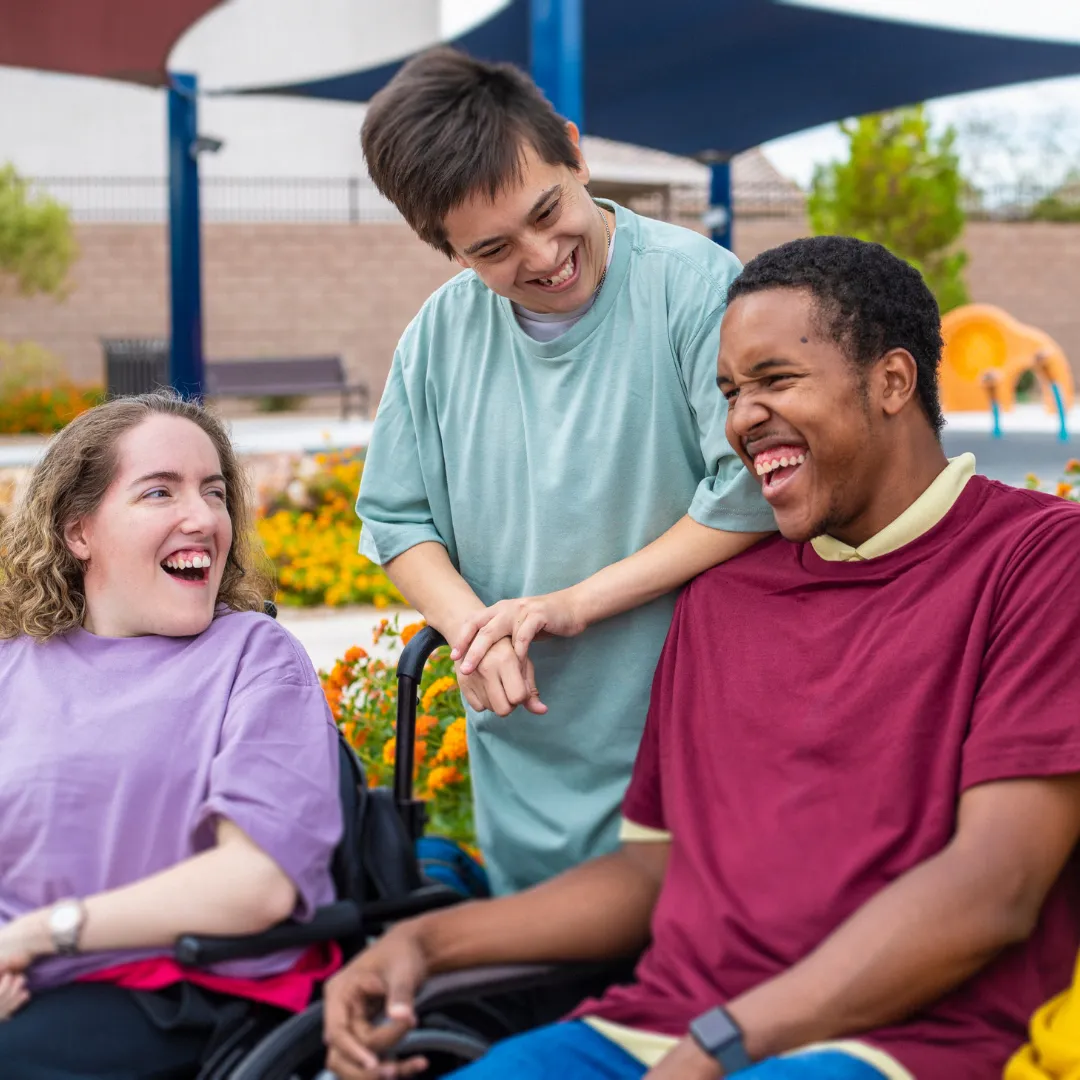
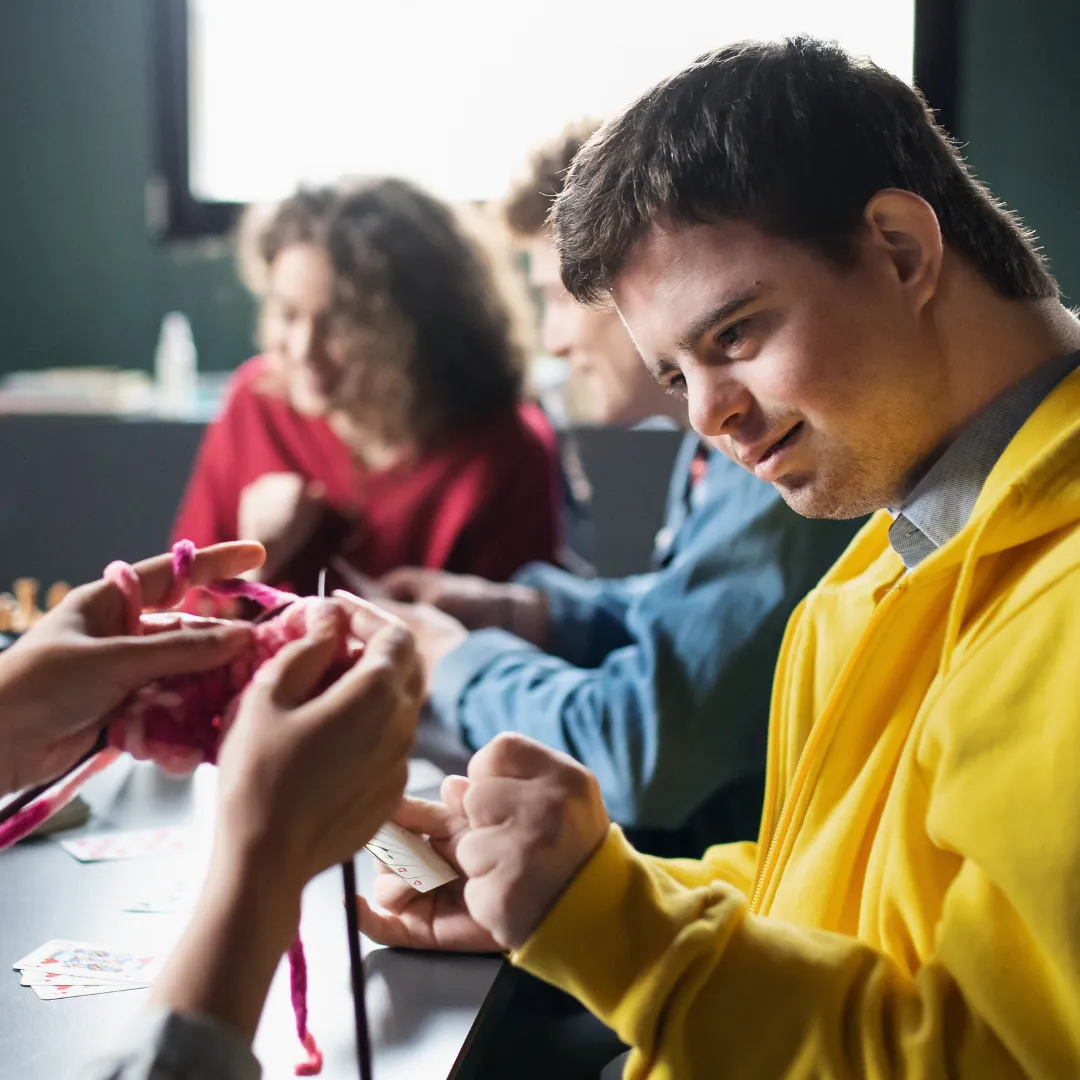
What is Better Steps Life Skills Center?
Better Steps Life Skills Center, Inc. is a Florida-based organization dedicated to empowering individuals with disabilities by providing life skills training, personal support services, and community-based programs that promote independence, confidence, and long-term success.
Who do you support at Better Steps Life Skills Center?
We support youth, and adults with intellectual, developmental, and physical disabilities. Our services are designed to meet individuals where they are and help them grow at their own pace toward greater independence and self-sufficiency.
What services does Better Steps Life Skills Center offer?
Better Steps Life Skills Center Inc. offers a wide range of Vocational Rehabilitation (VR)–authorized training and support services. Our programs are designed to help participants build confidence, gain real-world experience, and move toward greater independence.
Do you offer programs for students and young adults?
Yes. We offer structured programs such as career readiness training and summer career camps designed for students with IEPs or 504 Plans. These programs focus on workplace skills, self-advocacy, communication, and real-world experience.
What is life skills training and why is it important?
Life skills training helps individuals develop practical abilities needed for everyday life, such as communication, decision-making, time management, self-care, and social skills. These skills are essential for independent living, employment success, and community participation.
How do I get started with Better Steps Life Skills Center services?
Getting started is simple. You can contact our team through our website or by phone to discuss your needs. We’ll guide you through available services, eligibility, and next steps to ensure the right support plan is in place.
Where are your services available?
Better Steps Life Skills Center is based in Florida, with services available in Miami and surrounding areas. We also work with families, schools, and community partners across the state to expand access to meaningful support.
Be a Part of Their Success
At Better Steps, we believe in the potential of every unique journey. Your donation directly funds the tools, vocational training, and mentorship programs that help individuals with disabilities gain the confidence to lead independent lives. Join our community of supporters and help us turn possibility into reality.
Copyright 2026. Better Steps Life Skills Center. All Rights Reserved.
Copyright 2026. Better Steps Life Skills Center. All Rights Reserved.
GET IN TOUCH
We love to connect with you!
What is Better Steps Life Skills Center?
Better Steps Life Skills Center, Inc. is a Florida-based organization dedicated to empowering individuals with disabilities by providing life skills training, personal support services, and community-based programs that promote independence, confidence, and long-term success.
Who do you support at Better Steps Life Skills Center?
We support youth, and adults with intellectual, developmental, and physical disabilities. Our services are designed to meet individuals where they are and help them grow at their own pace toward greater independence and self-sufficiency.
What services does Better Steps Life Skills Center offer?
Better Steps Life Skills Center Inc. offers a wide range of Vocational Rehabilitation (VR)–authorized training and support services. Our programs are designed to help participants build confidence, gain real-world experience, and move toward greater independence.
Do you offer programs for students and young adults?
Yes. We offer structured programs such as career readiness training and summer career camps designed for students with IEPs or 504 Plans. These programs focus on workplace skills, self-advocacy, communication, and real-world experience.
What is life skills training and why is it important?
Life skills training helps individuals develop practical abilities needed for everyday life, such as communication, decision-making, time management, self-care, and social skills. These skills are essential for independent living, employment success, and community participation.
How do I get started with Better Steps Life Skills Center services?
Getting started is simple. You can contact our team through our website or by phone to discuss your needs. We’ll guide you through available services, eligibility, and next steps to ensure the right support plan is in place.
Where are your services available?
Better Steps Life Skills Center is based in Florida, with services available in Miami and surrounding areas. We also work with families, schools, and community partners across the state to expand access to meaningful support.
Be a Part of Their Success
At Better Steps, we believe in the potential of every unique journey. Your donation directly funds the tools, vocational training, and mentorship programs that help individuals with disabilities gain the confidence to lead independent lives. Join our community of supporters and help us turn possibility into reality.
COMPANY
CUSTOMER CARE
LEGAL
FOLLOW US


Copyright 2026. Better Steps Life Skills Center. All Rights Reserved.