


How Life Skills Training Transforms Generational Patterns of Struggle
Every family has patterns. Some families pass down recipes, traditions, and stories of triumph. But many families unknowingly pass down something far more challenging: cycles of struggle, limited opportunities, and unaddressed trauma. At Better Steps Life Skills Center, we've witnessed countless individuals courageously step forward to break these generational patterns, not just for themselves, but for the children and communities that will come after them.
The concept of generational cycles isn't just a psychological theory—it's a lived reality for millions of Americans. When parents lack essential life skills like financial literacy, emotional regulation, or effective communication, they cannot teach these crucial competencies to their children. The cycle perpetuates, often growing more complex with each generation. But here's the transformative truth: these cycles can be broken, and life skills education is one of the most powerful tools for doing exactly that.
Understanding Generational Cycles
Generational patterns manifest in numerous ways. A parent who never learned to manage money often raises children who struggle with the same financial instability. Someone who grew up in an environment where emotions were suppressed or explosively expressed will likely repeat these patterns in their own relationships. A family where education wasn't prioritized may see generation after generation failing to reach their academic potential—not due to lack of ability, but lack of foundational support and skills.
These patterns aren't about blame or character flaws. They're about access to knowledge and opportunities. When your parents didn't have access to quality education about mental health, financial management, or healthy relationships, they couldn't pass that knowledge to you. It's not their fault, and it's not yours. But it is your opportunity to change the trajectory.
Research consistently shows that poverty, in particular, isn't just about money—it's about access to the skills and knowledge that enable financial stability. According to studies on intergenerational poverty, children born into families without basic financial literacy skills are significantly more likely to experience financial hardship as adults, regardless of their income level. The same pattern holds for emotional intelligence, conflict resolution, and other critical life competencies.
The Life Skills Intervention
This is where comprehensive life skills training becomes revolutionary. At Better Steps Life Skills Center, we don't just teach isolated skills—we provide holistic education that addresses the interconnected nature of personal development. Our approach recognizes that breaking generational cycles requires building competency across multiple life domains simultaneously.
Financial Literacy as a Cycle Breaker
Consider financial literacy. When someone learns not just how to budget, but why budgeting matters, how to set financial goals, and how to make values-based spending decisions, they gain power that their parents may never have had. They learn to distinguish between needs and wants, understand the true cost of debt, and develop strategies for building savings even on a limited income.
More importantly, they learn to talk about money without shame. In many American families, money is either not discussed at all or is a source of constant stress and conflict. Breaking this pattern means creating a new family culture where financial challenges are addressed openly and collaboratively, where children learn healthy money attitudes from an early age, and where financial setbacks are seen as learning opportunities rather than personal failures.
One of our participants, Maria (name changed for privacy), grew up watching her parents fight about money constantly. She vowed never to let that happen in her own family, but found herself repeating the same patterns with her husband. Through our financial literacy program, she didn't just learn budgeting techniques—she learned how her family's money attitudes had shaped her own behavior. She learned communication skills to discuss finances without defensiveness. She learned how to break the silence and shame around financial struggles. Today, Maria and her husband have regular "money dates" where they review their finances together, celebrate progress, and address challenges as a team. Their children are learning a completely different relationship with money—one based on transparency, planning, and partnership.
Emotional Intelligence and Breaking Trauma Patterns
Perhaps even more profound is the role of emotional intelligence in breaking generational cycles. Many of us grew up in environments where emotional expression was either completely suppressed or wildly dysregulated. Men were taught that showing emotion was a weakness. Women were taught to prioritize everyone else's feelings above their own. Children learned to hide their struggles or, conversely, that emotional outbursts were the only way to be heard.
Emotional intelligence training provides something revolutionary: the vocabulary and skills to name feelings, understand their origins, and express them constructively. When you learn to recognize that your anger might actually be rooted in fear or hurt, you gain the ability to address the real issue rather than simply reacting. When you develop the capacity to sit with difficult emotions without being consumed by them, you can teach your children to do the same.
This kind of emotional competency breaks cycles of trauma in profound ways. Parents who develop emotional intelligence are less likely to repeat patterns of emotional neglect or volatility with their own children. They can recognize when their child is struggling and provide support rather than punishment. They can model healthy conflict resolution rather than avoidance or aggression. They create family environments where all emotions are valid, even if all behaviors are unacceptable.
Communication Skills and Relationship Transformation
Generational patterns of communication—or lack thereof—also perpetuate dysfunction. In families where direct communication was discouraged, where conflict was avoided at all costs, or where aggressive communication was the norm, individuals often enter adulthood without the skills to express their needs clearly, listen actively, or navigate disagreements constructively.
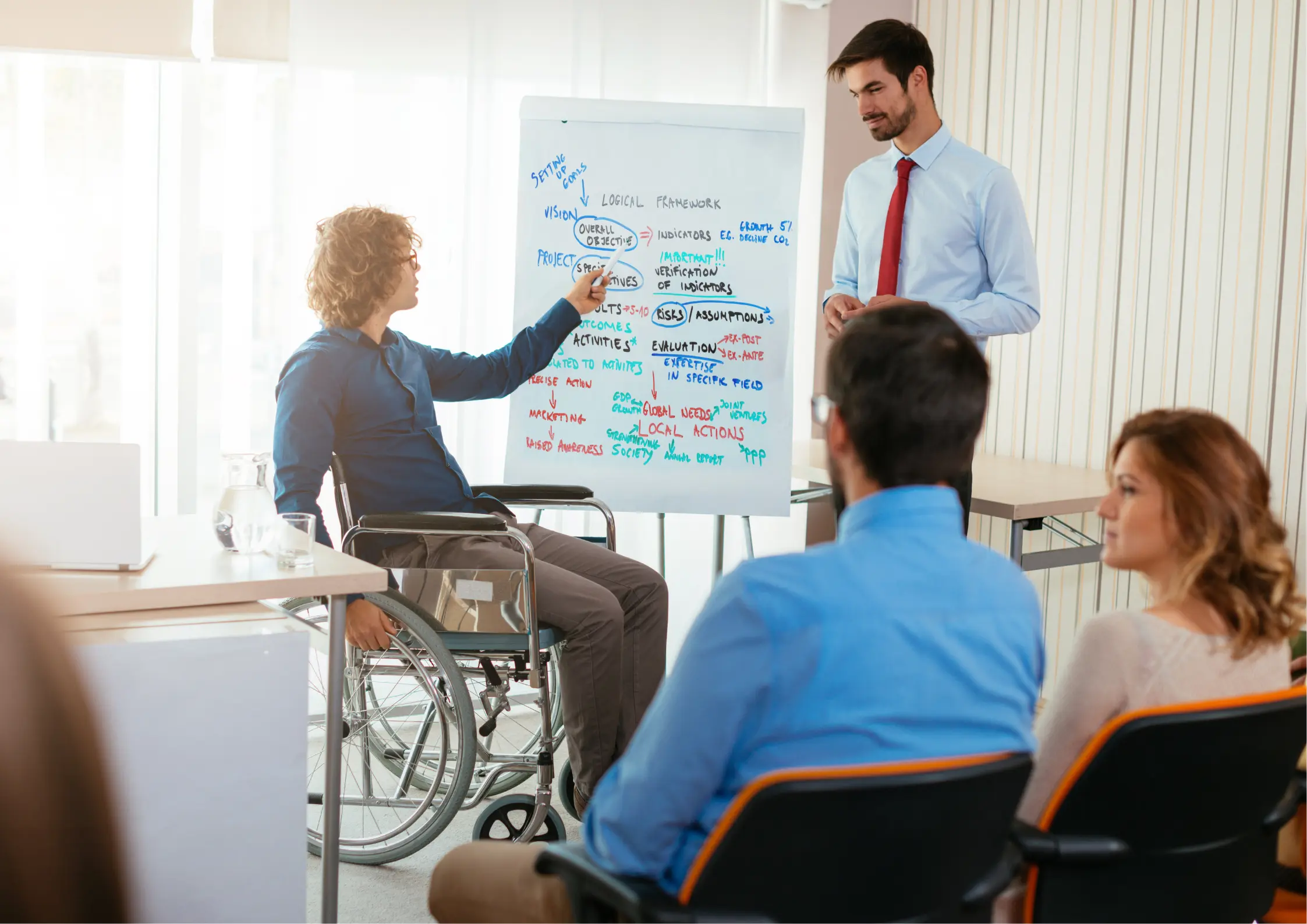
Life skills training in communication provides concrete tools: using "I" statements instead of accusations, active listening techniques, understanding different communication styles, and navigating difficult conversations with respect and clarity. These aren't just abstract concepts—they're practical skills that transform relationships.
When someone learns to say "I feel hurt when plans change without notice because it makes me feel unimportant" instead of "You never consider my feelings," they create space for understanding rather than defensiveness. When they learn to listen not just to respond but to truly understand another's perspective, they build connection rather than conflict. These skills ripple outward, affecting romantic relationships, friendships, workplace dynamics, and most crucially, parenting.
Goal-Setting and Future Orientation
Many individuals caught in generational cycles struggle with future orientation. When you're focused on surviving day-to-day, when you've never seen anyone successfully plan and achieve long-term goals, it's difficult to envision—let alone pursue—a different future. This becomes a self-fulfilling prophecy, where the inability to plan for the future ensures continued struggle.
Life skills training in goal-setting and planning provides both the conceptual framework and practical tools for creating change. Participants learn to distinguish between dreams and goals, to break large aspirations into manageable steps, to identify and overcome obstacles, and to maintain motivation through setbacks. More importantly, they learn that they have agency—that their choices and actions can genuinely influence their future.
This shift from reactive to proactive living is transformative. Instead of simply responding to crises, individuals begin making intentional decisions aligned with their values and long-term objectives. They start investing in education and skills development. They make healthier lifestyle choices. They build networks and seek opportunities. They become models of intentional living for their children and communities.
The Ripple Effect
What makes breaking generational cycles through life skills training so powerful is the ripple effect. When one person develops new competencies, their transformation affects everyone around them. Their children observe different behavioral models. Their partners experience healthier relationship dynamics. Their extended family sees new possibilities. Their community gains a member who contributes differently.
We've seen participants go on to teach life skills informally in their communities, sharing budgeting strategies with neighbors, modeling emotional regulation for younger family members, and advocating for life skills education in their children's schools. This organic spread of knowledge and competency creates a community-level transformation that far exceeds any individual program.
Practical Steps for Breaking Cycles
Breaking generational patterns requires both awareness and action. Here are practical steps you can take:
1. Identify the Patterns - Reflect honestly on the challenges that have persisted in your family across generations. Is it financial instability? Relationship conflict? Mental health struggles? Educational underachievement? Naming the pattern is the first step toward changing it.
2. Educate Yourself - Seek out quality life skills training that addresses your specific areas of need. At Better Steps Life Skills Center, we offer comprehensive programs covering financial literacy, emotional intelligence, communication, health and wellness, and more. But the key is consistent, structured learning—not just random articles or occasional workshops.
3. Practice Self-Compassion - Breaking generational cycles is challenging work. You'll make mistakes. You'll sometimes fall back into old patterns. This is normal. What matters is your commitment to keep learning and growing, not perfection.
4. Build Supportive Relationships - Surround yourself with people who support your growth. This might mean finding a mentor, joining a support group, or simply spending more time with friends who encourage your development. It might also mean setting boundaries with people who pull you back into old patterns.
5. Make It Visible - Don't hide your growth journey from your children or loved ones. Let them see you learning, struggling, and persisting. Explain what you're doing and why. This visibility teaches them that growth is possible at any age and that skills can be learned.
6. Teach What You Learn - As you develop new competencies, share them with others. Teach your children to budget by including them in family financial discussions. Model emotional regulation by naming your feelings and explaining your coping strategies. Practice new communication skills with your partner. This reinforcement deepens your own learning while creating change for others.
The Long View
Breaking generational cycles isn't a quick fix. It requires sustained commitment, ongoing learning, and considerable patience. There will be setbacks. Old patterns, developed over decades and reinforced by family and social systems, don't disappear overnight. But every small change matters.
When you learn to pause before reacting in anger, you're breaking a cycle. When you create and stick to a budget, you're breaking a cycle. When you express your feelings clearly instead of withdrawing or exploding, you're breaking a cycle. When you seek help for mental health challenges instead of suffering in silence, you're breaking a cycle.
These individual acts of courage and growth culminate in transformed lives and families. The daughter who watches her mother return to school in her 40s learns that education is always valuable. The son who sees his father openly express emotions learns that vulnerability is strength. The niece who observes her aunt successfully manage money learns that financial stability is achievable. The nephew who watches his uncle set and pursue goals learns that the future can be different from the past.
At Better Steps Life Skills Center, we believe that everyone deserves access to the skills and knowledge that enable them to thrive, not just survive. We believe that your family history doesn't have to determine your future or the future of the next generation. We believe that with the right education, support, and commitment, you can break the cycles that have held your family back and create new patterns of success, health, and wellbeing.
Breaking generational cycles is some of the most important work you can do—not just for yourself, but for all those who come after you. It's about creating a new legacy, one built on competency, confidence, and conscious choice rather than limitation, fear, and repetition.
The cycle can end with you. The transformation can start today. Your family's story can change, beginning with your decision to develop the life skills that make that change possible.
If you're ready to break the patterns that have held you back, we're here to support you every step of the way. Because at Better Steps, we don't just believe in better futures—we provide the practical tools and education to build them.


